
Accommodation Type: Liveaboards
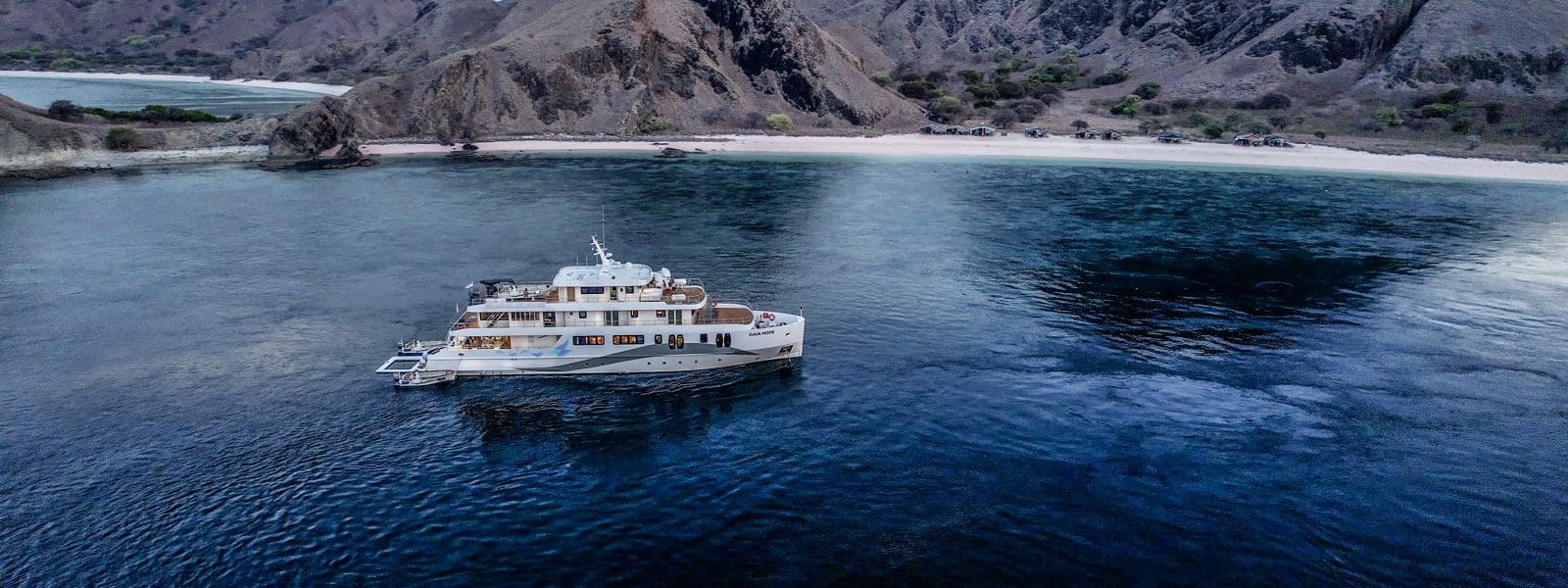
Solitude Gaia Palau Liveaboard
Dates
Introduction
Palau: Solitude Gaia Palau
Call KSC at 803.419.2556 for all the details.
The Palau Adventure
Luxury and comfort at sea
Experience exceptional comfort at sea aboard the Solitude Gaia Palau, your premier liveaboard in Palau. Every detail is thoughtfully designed to enhance your adventure. From well-appointed cabins to spacious common areas, we are committed to ensuring your journey features premium amenities and exceptional service. Relax in style as you embark on an extraordinary maritime escape, surrounded by the soothing rhythm of the waves and the exclusive comfort that defines the Solitude experience.
Rates & Prices
Here are the rates for weeks in Palau on the Solitude Gaia Palau liveaboard. We have chartered the ship from 2027, June 1st-8th, and 2028, Feb 16th -26th.
| 2027 Cabins | Price (Per Person, all pricing include VAT) |
|---|---|
| Staterooms (2 rooms | $7,000 |
| Ocean View Upper (1 room couples only) | $6,000 |
| Ocean View Main (4 rooms couples only) | $5,600 |
| Interior (2 rooms) | $5,600 |
| 2028 Cabins | Price (Per Person, all pricing includes VAT) |
|---|---|
| Staterooms (2 rooms | $9,500 |
| Ocean View Upper (1 room couples only) | $8,100 |
| Ocean View Main (4 rooms couples only) | $7,500 |
| Interior (2 rooms) | $7,500 |
Package Includes
The Solitude Gaia Palau Package:
- Accommodation on board in the category of cabin of guests’ chosen package on twin/double(or quad sharing in quad cabin).
- Guests can check in from 4 P.M. on the day of; check out latest at 4 P.M. on the day of the Cruise End-Date.
- Full-Board Meal Plan (Breakfast,
- Lunch, Dinner, with in-between meal snacks, and all non-alcoholic beverages
- 3 or 4 daily guided Boat Day-Dives ** all dives are subject to our No-Fly/Altitude Minimum 18 Hours
Policy & cruise itinerary (which may change due to weather and/or level of diving experience of the guests) – No Dives on disembarkation day
- State Room Tax per cabin (10USD per Night)
- Milkyway, Rock Island & Jelly Fish Lake Tour on the day of Disembarkation (unless closed to visits by the authorities)
- Airport Transfers: Return KOROR (Palau) Airport transfer to Solitude Gaia Palau (Pickup/Drop-off other than Airport is subject to additional charge)
- Koror State Diving Permit, including Rock Island (50USD) for up-to-5 days x2 on 10 day cruise
- Peleliu Diving Permit (USD60) for up-to-5 Days.x2 on 10 day cruise
- Ngarchelong (60USD per person) for up-to-4 days, applicable to Northern Palau Itinerary
- Kayangel (20USD per person) for up-to-1 month, applicable to Northern Palau Itinerary
- Ngeremlengui (20USD per person) for up-to-2 days, applicable to Northern Palau Itinerary
- Ngardmau (30USD per person) for up-to-2 days, applicable to Northern Palau Itinerary
- If required, late check-out (disembarkation) with Dinner (100USD per person). Standard check-out time is 1700Hrs; late check-out will allow you
to disembark at the latest at Midnight on the following date.*subject to availability - Alcoholic beverages, Gratuities, Scuba & Skin Diving Equipment, Enriched Air Nitrox, and guest services are listed as additional costs.
- A Fuel Surcharge* of 30USD per Person per night of the cruise itinerary. *The surcharge may be waived if the 30-day average price of International
- Brent Oil (from the date of embarkation) is 70USD or lower,
- Entertainment: Onboard entertainment features smart TVs installed in every cabin, lounge, and dining area. The lounge features a Bose audio system designed to enhance your viewing experience, along with a 65-inch smart TV. Additionally, guests can enjoy cards and board games for leisure and entertainment.
- Types of Coffee Available: The ship has a fully automatic, self-service ground coffee machine on board, offering both local and instant coffee.
- Types of Tea Available: A selection of tea includes Chamomile, English Breakfast, Ginger, Green, and Chinese teas, subject to availability.
- Drinking Water: There is a free-flowing potable water dispenser with an additional 4-stage filtration system.
- Non-Alcoholic Beverages: Non-alcoholic beverages are available based on stock, and popular selections include light and zero options. Tonic and soda water are also provided.
- Self-Serve Snacks: Available 24 hours a day.
- Ice Maker: An ice maker is accessible for guest use.
- Special Dietary Requests: With prior notice, we can accommodate vegetarian and selective non-meat diets. For vegans, we kindly request advanced notice along with a specific list of allowable ingredients for meal preparation.
- Onboard Guest Services: Starlink internet and laundry services are available onboard, with some services subject to additional costs
Schedule
2027: June 1st -18th (7-Night)
Begin your adventure with a warm welcome and an orientation on board the vessel.
Dive Opportunities: 2-3 dives
Explore historical wrecks and captivating dive sites in Malakal Bay.
Dive Opportunities: 3-4 dives
Discover the beauty of Ulong Island, known for its extensive white sand beaches and renowned dive sites.
Dive Opportunities: 3-4 dives each day
Experience vibrant marine life and stunning underwater landscapes, with the chance to encounter manta rays.
Dive Opportunities: Up to 3 dives
Enjoy dramatic drop-offs, coral gardens, and abundant marine life.
No Dive Day
Join an optional tour of the Rock Islands and the Milky Way. A lunch will be served before disembarkation, followed by farewells to the crew. Please note that a permit is required to visit these locations.
2028: Feb 16th 26th (10-Night)
Welcome aboard, Solitude Gaia Palau! Start your adventure with a warm greeting, orientation, and registration in Palau.
Dive into history with 2-3 dives at Helmet Wreck, Chandelier Caves, Jake Seaplane, or Teshio Maru.
Experience 4 dives at Iro Wreck, Helmet Wreck, Chandelier Caves, or Buoy 6 in the beautiful Rock Islands.
Enjoy up to 4 dives at Siaes Tunnel, Siaes Corner/Ulong Channel, or Sandy Paradise among Ulong’s stunning reefs.
Explore up to 4 dives at German Channel, Siaes Tunnel/Siaes Corner, Ulong Channel, or Sandy Paradise before sailing to Whale Island.
Dive daily with up to 4 dives at Peleliu Cut, Blue Corner, and more. Discover vibrant coral gardens and diverse marine life.
Enjoy up to 3 dives exploring the German Channel, Blue Corner, and more. Please note our 18-hour no-fly policy.
No diving is scheduled for this day. You have the option to join a tour of the Rock Islands and the Milky Way. Lunch will be served before disembarkation, followed by farewells to the crew. Please be aware that a permit is required to visit these locations.
Accommodations
Luxury Ocean cabins
Each cabin is cleaned daily. Sheets, bath towels, and face towels are changed every three days, but you can request a change sooner if you wish.
- Individual air conditioning system with climate control
- Safe deposit box
- Bathrobes, face towels, and bath towels
- Hairdryer
- Intercom
- Television
- Body wash, shampoo, and conditioner
- Bedding, including pillows, duvet, and sheets. Extra pillows and light blankets are available upon request.
- Wardrobe organizer with ample hangers
- Desk with conveniently located universal electrical points for gadgets
Diving / Diving Site(s)
Why go? It's the diving!
Palau offers a truly bucket-list diving experience. Discover the extraordinary beauty of its pristine waters with Solitude Gaia Palau, where every underwater excursion reveals a world rich in marine biodiversity. As you explore vibrant coral gardens and thriving ecosystems, our experienced dive team ensures that your scuba diving adventure is seamless and unforgettable. From the famous Blue Corner to the enchanting German Channel, Solitude Gaia Palau offers an immersive underwater journey that brings Palau’s marine wonders to life with every breathtaking dive.
Dining / Restaurant(s)
Fine Dining on the water
Elegant dining experience: On the Solitude Gaia Palau liveaboard journey, our commitment to culinary excellence guarantees a dining experience that reflects the remarkable nature of your adventure. Enjoy carefully curated meals made with locally sourced ingredients, whether dining under the stars or in our dining area. Our culinary team offers a delightful journey for your palate, seamlessly blending elegance with exploration.
Activities
We are there to dive and not much else. It's about the diving!
Know Before You Go
Flying to Palau
The Best way is to use United Airlines.
The best way to travel from the U.S. to Palau is to fly United Airlines, typically via a connection. The most streamlined route is through San Francisco (SFO) to Manila (MNL), from where you can connect to Koror (ROR). Alternatively, you can fly from a major U.S. city, such as Los Angeles (LAX), to Koror (ROR). Here are some options:
San Francisco (SFO) to Manila (MNL) to Koror (ROR): This is the most direct and convenient route, as United Airlines offers a daily flight from SFO to MNL, where you can connect to Palau.
- Los Angeles (LAX) to Koror (ROR)
- Via Taipei (TPE)**: Fly with China Airlines from LAX to TPE, then connect to ROR.
- Via Honolulu (HNL) and Guam (GUM): Fly with United Airlines from LAX to HNL, then to GUM, and finally to ROR. This route operates twice a week.
The Arenui Indonesia
Dates
Introduction
Indonesia and the Arenui are both worth the trip!
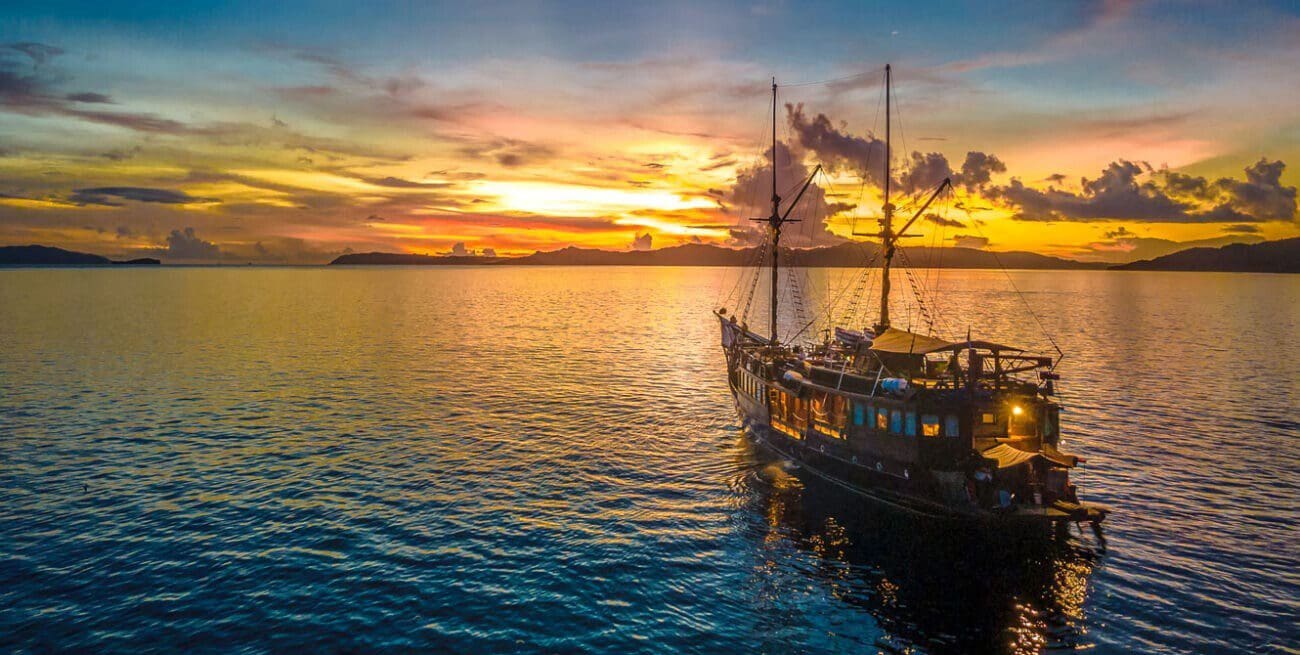
The Arenui luxury liveaboard is our #1 choice for an Indonesia dive vacation. She provides the best way for any scuba diver to experience Indonesia’s best offers. Indonesian diving is perfect for families. Stunning coral reefs, macro, big-animal diving, and topside adventures are the best in the world. All the resorts and liveaboards we have chosen to travel with are experienced, safe, and family-friendly for divers of all ages, including those with older and younger children.
Our land-based resorts, Lembah and Banka, are better suited to older kids, junior advanced divers, or adult divers. Buoyancy is vital in this area, as fragile corals and muck diving demand excellent buoyancy control. Indonesia is, without a doubt, for those ready to share a bigger adventure. You will experience genuinely healthy coral ecosystems and pristine reefs you have never seen before, unless you have been to the Philippines. When purchasing any Arenui trip, we highly recommend purchasing Trip Insurance.
The Arenui experience, whether as a family or a couple, is a luxury 5-star experience. We are featuring these trips: Komodo & Raja Ampat, the Forgotten Islands, and numerous others. Margo and Tom have also added adult Empty Nester trips to Lembeh and Bangka luxury oceanfront land-based PADI 5-Star resorts with Murex Divers.
We will offer BackScatter photo clinics, courses, and diving with their photo pro, as well as a luxury spa and fine dining at Lembeh. Diving in Lembeh, Indonesia, is for lovers of macro life and pristine coral reefs. You can see a Hairy Frogfish, a Mimic Octopus, over 100 species of nudibranchs, ten species of seahorses, a Coconut Octopus, and so many more incredible aliens that you will see no other place on Earth.
We know it is a long way off to think about, but it may be one of the last opportunities to make this fantastic trip that books out five years in advance. So call Margo or Tom if you’re interested in any of the Arenui dive trips. Want to experience a class of service, food, fine Italian wines, and great people with whom to dive like no other.
 Margo has published extensively on travel, liveaboard diving, and dive safety. She feels this trip on The Arenui is one of the safest liveaboards in the industry, next to the Explorer Venture fleet, which we also highly recommend and travel with. The Arenui is 143 ft and accommodates 16-19 passengers, with 8 very spacious cabins: 3 triple rooms and 2 master suites with king beds.
We look forward to diving with you and growing with your family. Empty Nesters Travelers (ENT) is a new, unique travel agency offering dive vacations to adult families to any venue we work with at any time of year. ENT are experts in dive travel and family travel. Why go anyplace else when you have experts like us to talk to?
Kids Sea Camp and Empty Nesters have booked multiple group dive charters on the Arenui from 2025 to 2031. Limited cabins remain on each charter, so call us for up-to-date information. We provide optional round-trip airfare to Bali; pre- or post-hotel add-ons are available, and we offer comprehensive on-the-ground care if needed. A meet-and-greet can be arranged to ensure your trip is fully escorted and, if required, hand-held. Let us know your desires and needs, and we will be ready to assist. Please call us (803-419-2556) to learn more about all our unique family vacations.
Rates & Prices
The Arenui rates shown are base rates and do not include:
- Master cabin supplement ( surcharge applied to cabins Rama and Shinta)
- International and domestic air transportation
- Hotels and meals before and after the cruise
- Alcoholic drinks
- Dive equipment rental. Night lights are not included in night dives. The cost is $10 per dive for a night light rental. (other than dive cylinders, weights, and weight belt)
- Nitrox refills
- Massages and Spa treatments (other than the welcome massage)
- Travel Insurance: This is a must! please our suggestion is CFAR insurance(Cancel for Any Reason)
- Onboard purchases
- Private tours
- Laundry
- On-board telecommunications
- Crew gratuities
| Destinations | Cabin cost per person |
|---|---|
| 2026 RAJA AMPAT: February 15th – 26th (11 nights) | $9,162 (+$550 per person for master cabin) |
| 2026 Best of Borneo & West Sulawesi (8 nights): July 19th – 27th & July 28th – Aug. 5th | $6,855 (+$400 per person for master) |
| 2026 & 2027 RAJA AMPAT and SORONG: Dec 22nd, 2026 – Jan 3rd, 2027: (12 nights) | $9,946 (+$600 per person for master cabin) |
| 2027 Best of Borneo: (8 nights )July 19th-27th and July 28th – Aug 5th | $6,855 (+$400 per person for master) |
| NEW! 2028 Dec 1-9, Raja Ampat | $TBA (+$500 per person for master) |
| 2029 Best of Indonesia! “Why Not” 23-day trip. (Dates to come) | $20,000 pp (Wait list) |
| 2029: Dec 23 - Jan 5, 2030 Northern Molucca Passage | $11,500 pp (+$750 per person for master) |
| 2030 Komodo (9-night trip): June 17-26 and June 28th – July 7th | $8,100 includes Park fees, fuel fees, and taxes. Includes VIP meet and greet. (+$600) per person for master cabin). |
| 2031: October 15-23 (10 nights); Molucca Passage | $TBA, includes Park fees, fuel fees, and taxes. Includes VIP meet and greet. (+$750 per person for master cabin). |
| 2031: October 25, 2031 to November 3 (10 nights); Molucca Passage | $TBA includes Park fees, fuel fees, and taxes. Includes VIP meet and greet. (+$750 per person for master cabin). |
| 2031: November 26 to December 6 (10 nights); Tomini Bay, Halmahera | $TBA includes Park fees, fuel fees, and taxes. Includes VIP meet and greet. (+$750 per person for master cabin). |
| Destinations | Cabin cost per person |
|---|---|
| 2026 RAJA AMPAT: February 15th – 26th (11 nights) | $9,162 (+$550 per person for master cabin) |
| 2026 Best of Borneo & West Sulawesi (8 nights): July 19th – 27th & July 28th – Aug. 5th | $6,855 (+$400 per person for master) |
| 2026 & 2027 RAJA AMPAT and SORONG: Dec 22nd, 2026 – Jan 3rd, 2027: (12 nights) | $9,946 (+$600 per person for master cabin) |
| 2027 Best of Borneo: (8 nights )July 19th-27th and July 28th – Aug 5th | $6,855 (+$400 per person for master) |
| NEW! 2028 Dec 1-9, Raja Ampat | $TBA (+$500 per person for master) |
| 2029 Best of Indonesia! “Why Not” 23-day trip. (Dates to come) | $20,000 pp (Wait list) |
| 2029: Dec 23 - Jan 5, 2030 Northern Molucca Passage | $11,500 pp (+$750 per person for master) |
| 2030 Komodo (9-night trip): June 17-26 and June 28th – July 7th | $8,100 includes Park fees, fuel fees, and taxes. Includes VIP meet and greet. (+$600) per person for master cabin). |
| 2031: October 15-23 (10 nights); Molucca Passage | $TBA, includes Park fees, fuel fees, and taxes. Includes VIP meet and greet. (+$750 per person for master cabin). |
| 2031: October 25, 2031 to November 3 (10 nights); Molucca Passage | $TBA includes Park fees, fuel fees, and taxes. Includes VIP meet and greet. (+$750 per person for master cabin). |
| 2031: November 26 to December 6 (10 nights); Tomini Bay, Halmahera | $TBA includes Park fees, fuel fees, and taxes. Includes VIP meet and greet. (+$750 per person for master cabin). |
Package Includes
The Arenui trip Inclusions:
- Full board accommodation in a double/twin deluxe cabin
- The shore activities/excursions according to the program
- Soft drinks, water, tea, American/Balinese coffee
- Five meals per day
- Diving activities (up to 4 dives/day)
- Dive cylinders, weights, and weight belts
- Transfer from/to the embarkation/disembarkation airport
- Private meet & greet in international airport in Indonesia
- Government Taxes
- Welcome message (1/2 hour per person)
- Kids Sea Camp Representative Host
- T-shirt from Kids Sea Camp
- Fuel charge $150~ -subject to change
- Port Fee $150~- subject to change
- The Park fee is $150~ – subject to change
Trip Exclusions (not included):
- Master cabin supplement
- International and domestic air transportation
- Hotels and meals before and after the cruise
- Alcoholic drinks, espresso, cappuccino
- Dive equipment rental (other than dive cylinders, weights, and weight belt)
- Nitrox refills
- Massages and Spa treatments (Other than a welcome massage)
- Travel Insurance
- Onboard purchases
- Private tours
- Laundry
- On-board telecommunications
- Crew gratuities
Schedule
All the Arenui trips are unique
Sample itinerary from Komodo trip
12 Days/11 Nights Labuanbajo – Maumere Cruise Itinerary (incl. Alor)
- Day 1: Embarkation in Labuanbajo
- Day 2: Komodo-Flores Channel (4 dives)
- Day 3: Walk with dragons/Middle Area (3 dives)
- Day 4: Noth Komodo (4 dives)
- Day 5: Komodo-Flores Channel /Sabolan (3 dives)
- Day 6: Palu’e Island (2 dives)
- Day 7: Bacatan (4 dives)
- Day 8: Pura Island/Kalabahi Bay (4 dives)
- Day 9: Visit the traditional Abui tribe village/Reta Island (2 dives)
- Day 10: Kawula Island (4 dives)
- Day 11: Pulau Babi (1-2 dives)
- Day 12: Disembarkation in Maumere (Total dives: 31-32 dives)
Accommodations
Stunning cabins on The Arenui
For our group charters, cabin selection is on a first-come basis. If clients do not specify a cabin, we will assign the cabin within the price range you have purchased based on what is available at the time of your reservation request.
Diving / Diving Site(s)
The best diving in the Caribbean!
Komodo dive sites
In Komodo, expect encounters with pelagics, such as manta rays, both oceanic and reef, eagle rays, sharks, mola-mola (sunfish), tuna, and even whales. Get your macro lens ready for unusual critters such as ornate ghost pipefish, different kinds of pygmy seahorses, rare clown frogfish, weird and wonderful nudibranchs (if lucky, the ridiculously cute Pikachu nude), blue-ringed octopus, pipefish, scorpion leaf fish, Coleman shrimp, boxer crabs, zebra crabs.
Fill your memory cards with Humphead parrotfish, napoleon wrasse, juvenile batfish, stonefish, devilfish, seahorses, dragonets, turtles, cuttlefish, banded sea-snakes, snake eels, stargazers, slipper lobsters, fire-urchins and the aptly-named sea apples (a very colorful and round-shaped type of sea-cucumber).
- Current – gentle to moderate
- Diving depth – 15-90 ft
- Number of dive sites – 53
- Sea conditions – generally calm
- Suitable for – intermediate-advanced
- Visibility – 30-120 ft
- Water temperature – 24-28℃ (75-82°f)
Q: What kind of diving is there in Komodo?
A: The sea around Komodo Island offers vibrant colors and exotic marine life, which will enchant divers and snorkelers alike. They can see endless schools of fish in every direction, drawn by the waterways rushing up from deep-sea vents. Below, the seabed is covered with a thick carpet of richly colored corals and marine invertebrates, the ultimate paradise for underwater photographers. Komodo National Park is an essential natural refuge. It is known worldwide for the overwhelming amount of flawless corals found there, not to mention the mantas, sharks, turtles, dolphins, dugongs, and many other pelagic. Yet it is also home to different kinds of pygmy seahorses, a wide variety of gorgeous nudibranchs, and frogfish. Its sites stretch from the warm waters of the Flores Sea in the north to the chillier waters down south in the Indian Ocean and vary from gentle coral slopes to heart-pounding adrenaline thrill rides. The underwater terrain also presents many contrasts, with sheer cliff walls, pinnacles, sandy flat bottoms, underwater plateaus, slopes, caves, swim-throughs, and channels, all with different colors, sizes, and types of hard and soft corals.
Raja Ampat is the world’s epicenter of marine biodiversity!
Stunning hard corals and exquisite soft corals, giant clams, sponges, fire urchins, sea cucumbers, barracuda, Humphead parrotfish, napoleon wrasse, frogfish (all colors), scrawled filefish, anemonefish, lionfish, unicornfish, flounder, angelfish, gobies, lizardfish, snapper, trevally, fusiliers, sweetlips, surgeonfish, cardinalfish, triggerfish (titan, clown, red-tooth, etc.), batfish, boxfish, cowfish, pufferfish, anthias, needlefish, glassfish, scorpionfish, jawfish, hawkfish, goatfish, bannerfish, Moorish idols, robust and ornate ghost pipefish, wasp fish (including the photogenic cockatoo wasp fish), dragonet, sea moth, pygmy seahorse, pipe horse, cuttlefish (big ones, small ones, and even the tiny but vibrantly colored flamboyant cuttlefish), bobtail squid, mantis shrimp, squat lobster, zebra crabs, reef octopus, morays, banded sea snakes, turtles, wobbegong sharks, epaulet “walking” shark, reef sharks, manta rays (including some striking all-black mantas).
Raja trip
- Current – gentle to moderate
- Diving depth – 30-120 ft
- Number of dive sites – 132
- Sea conditions – calm
- Suitable for – beginners-intermediate-advanced
- Visibility – 30-150 mt
- Water temperature – 27-31℃ (80-88°f)
Diving Information All Trips
Q: What diver certification level is required to join the Arenui?
A: Everyone is welcome on board, regardless of the level of certification. The formation of dive groups and selecting sites are determined in accordance with safety, comfort, and diving ability considerations and remain at the discretion of the Cruise Director. Our professional dive crew can lead you to more relaxing sites if you are not too fond of currents, for example. Of course, if you want, we can also take you into the heart of the action to experience the full thrill of a site!
Q: How many dives can we do each day?
A: There will be up to 4 dives daily, with 2-3 dives on the first and last diving days.
Q: How is the diving done off of the Arenui?
A: Everything has been set up for the most excellent convenience of our divers. Kitting up for dives is done on the port and starboard sides of the vessel’s dive deck. The crew handles transporting and stowing the tanks and BCDs in the tenders for you. There are sturdy ladders to allow divers to board the tenders safely. Once over the dive site, divers gear up and roll backward!
Q: What dive equipment do I need?
A: Tanks, weights, and weight belts are provided onboard. Divers must bring a BCD, regulator, wetsuit, fins, mask, snorkel, and dive light. We have SMBs available for use.
Q: Do you use INT or DIN valves?
A: We have tanks with INT and DIN valves.
Q: What can I expect regarding water temperature, and what type of wetsuit do you recommend?
A: This is always a difficult question because people have different sensibilities about temperature. Typically, average temperatures in Raja Ampat range from 25-30C (80-86F), meaning that a 3mm wetsuit or skinsuit is usually fine. The southern waters of Komodo can be colder, from 20-25C (70-75F); therefore, a 5mm wetsuit with a hood is recommended.
Q: Is there dive equipment available for rent?
A: We have a limited amount of diving equipment for rent, so it is important that you notify us in advance if you want to rent equipment. We offer Scubapro BCDs, regulators, and wetsuits. Snorkeling sets with Aqualung fins and a selection of masks and snorkels are available. We also have UK C4 eLED dive lights for rent.
Q: What facilities are available for photographers?
A: Guests shooting digital photography may view their images on one of the two computers (MAC or PC) provided for their use in the lounge. There are ample camera tables at the front of the lounge for handling and setting up equipment. There are individual cubby holes in the diving area with 110V and 220V sockets conveniently located just above your dive gear. We also provide ‘camera only’ rinse buckets for the exclusive use of the photographers onboard.
Q: Are there any limitations or restrictions on diving?
A: You should respect the standards and stay within the limits of your qualifying certification. All dives should be no-decompression dives. Solo diving is not permitted.
Q: Is enriched air nitrox available?
A: Nitrox fills of up to 32% are available for an additional charge. As we recommend diving with nitrox on all dives, we offer great packages to allow you unlimited nitrox throughout the cruise. Please consult our price list for more details. If you are not yet Nitrox-certified, you can take the course onboard with one of our qualified PADI instructors.
Q: Can I take a specialty course onboard?
A: In addition to Enriched Air Nitrox, we offer several dive specialty courses on board. Please let us know beforehand if you are interested in taking one so that we may ensure that the necessary academic material is available.
Q: Can I fish or spearfish?
A: Fishing and spearfishing are not available onboard. We will be diving in protected marine areas where all fishing is prohibited.
Q: Can I drink alcohol and dive?
A: No. Drinking alcohol and diving is not allowed as this can increase your risk of decompression. You are free to drink alcohol once you have completed your last dive of the day.
Dive Sites
Sebayur Island: This island has a white sandy slope that turns into a mini wall. At the edge of the reef, look for leaf fish, ghost pipefish, and a variety of nudes. Various nudibranchs, lionfish, and moray eels make the wall their home. In the shallows, the hard corals are decorated with anthias, and we often find large cuttlefish and juvenile bicolor parrotfish. On the night dive, look for Spanish dancers, crocodile fish, and bobtail squid.
Tatawa Besar: This is a thrilling drift dive, starting at the north-western tip of Tatawa and continuing down the western side, reaching about 15 to 20 meters of depth. The fish life here is abundant, and you will see an endless field of stunning orange soft corals as you glide along. Swim past coral heads inhabited by schools of sweetlips and batfish and look for turtles feeding on the reef. Mantas have been encountered here as well.
Tatawa Kecil: The West side of this small rocky outcrop presents a fantastic underwater terrain with enormous slabs of rock that have been worn down to form channels, canyons, caves, and swim-throughs. On the north plateau, crocodile fish lies on the scenic reef among a host of reef fish and schooling fusiliers.
Siaba Kecil: Here at Siaba Kecil, we have a magnificent formation of hard coral from the island’s shallows to 20m/60ft depth. The current running from the south to the north is the best way to dive into this site. During the drift and at the end of the drift we have a great chance to see green and hawksbill turtles feeding on the formation of hard coral, white tip reef sharks also can be seen here. Reef manta rays can occasionally swim in the coral garden at this site.
Batu Bolong: Underwater, this rock is covered in a huge number of soft and hard corals and is full of fish life. In the shallows, watch anemone fish and look out for turtles munching on the corals. Giant trevally, white-tip reef sharks, snappers, and emperor fish tend to congregate here. This site presents particularly good opportunities for both macro and wide-angle photography.
Batu Tengah: This dive site is in the middle of the Komodo National Park, with 12 nautical miles to the north and 12 nautical miles to the south. The translation of Batu = Rock, Tengah = Middle. With a slope to the east of the site and a coral garden to the west, Batu Tengah is a beautiful site where we often get to see turtles, cuttlefish, and juvenile white-tip reef sharks that hide under the table corals among the hard coral garden. Napoleon wrasse and big groups of snapper swimming on the slope with all the colorful decorations of the soft coral make Batu Tengah a high-quality dive site.
Wainilo: This afternoon and night dive is situated off the north of Rinca Island. The hard coral reef is home to many different critters in the shallows, including juvenile harlequin sweetlips and batfish. Away from the reef, the sandy slope is scattered with pulsing soft corals that hide demon stingers, starry night octopuses, and a moray eel, which has not yet been classified by scientists and is only found here in Wainilo.
Day 3 Walk with dragons / Padar Island (2 dives)
Loh Buaya (walk with dragons)
Your day will begin with an exciting visit to Komodo National Park, where you can stroll with the famous dragon! Please take a look at our Komodo Dragon photo album here. As you walk along the paths, stay on the lookout for deer, wild boar, birds, and giant lizards. After the walk, we move to Padar Island for two dives.
The water temperature here and in the southern dive sites over the next few days can be a little cooler, dropping from the normal 28/29 degrees Celsius (82-84 Fahrenheit) to a possible 20 Celsius (68 Fahrenheit). Also, due to the infinite nutrients in the water that create amazing biodiversity in this area, the visibility can sometimes be a bit greener. Neither one of these factors can spoil the amazing diving to be had in these areas.
After the second dive, we visit one of the most incredible beaches in the Komodo National Park. A short walk brings us to the pink sandy beach. During this walk, we also have the opportunity to enjoy incredible views of the National Park with the sunset.
Three Sisters: The site here is full of exciting and beautiful features, such as massive steps and huge stone towers, all wrapped in hard and soft corals, and dotted with nudibranchs, small caves, and overhangs. Reef sharks and Humphead parrotfish are among the bigger creatures we see in this area. There is also a towering coral spire with a small cave at the bottom, where huge lobsters are often found hiding. Look for the tiny ladybugs on the soft corals and the resident frogfish sitting in the sponges.
Secret Garden: This is one of the top dive sites on Padar Island. As the name suggests, it has a beautiful black coral garden along a mini-wall covered with soft corals. A resident school of mobula rays seems to like swimming through the dive site, giving divers good opportunities to see them. Nudibranchs, leaf fish, frogfish, and incredible sea apples can also be seen here.
Day 4 Rinca Island (4 dives)
Horseshoe Bay is south of Rinca Island, and we spend the whole day here. Here, we dive into the famous Cannibal Rock, one of the top ten dive sites in the world, according to some diving publications. We watch dragons, wild pigs, deer, and monkeys roam the beach and take a tender ride or kayak to get a closer look.
Cannibal Rock: This outstanding dive site covers a large area with sandy slopes in the north, deep mini walls in the east, a plateau full of life in the south, and rocky regions in the west. The nutrient-rich bay creates the most spectacular congregation of hard and soft corals in all parts of the dive site. Sponges, ascidians, sea squirts, and tube anemones are abundant. A great diversity of nudibranchs can be seen here, along with frogfish, turtles, cuttlefish, and other reef fish.
Yellow Wall of Texas: As the name suggests, this wall at the southern entrance to Horseshoe Bay is covered in yellow and orange soft corals. A tiny critter, the ladybug, comes in multitudes here. Nudibranchs decorate the wall, which usually has a slight current, enabling you to drift along slowly and enjoy the view.
The Boulders: Inside the bay and opposite the Yellow Wall of Texas, there are large rocks that continue underwater to create places for large rays to rest, and even sometimes, nurse sharks hide in these underwater crevices. The boulders are covered in corals, which have become a paradise for marine life. The elusive Rhinopias have been found here before.
Torpedo Alley: A marvelous night dive named after the pancake-sized torpedo rays that can be found here. Coconut octopus, seahorses, colorful squid, and the bizarre Bobbit worm live in the black volcanic sand. A very shallow dive with a maximum depth of 10m/30ft, spend time looking for all the strange inhabitants among the rocks, soft corals, and sand.
Day 5 Manta Alley / Pink Beach (4 dives)
Manta Alley is located on the south end of Komodo Island. After two dives looking for manta rays, we head to the Pink Beach area in the middle of Komodo Island.
Manta Alley: Manta Alley is located in Tora Langkoi Bay along the south coast of Komodo. The dive site, in fact, barely pierces the ocean’s surface at the end of a line of rock islets. As can be guessed from its name, many manta rays are known to frequent this site, and it is the most popular one in Komodo for spotting them. The area can be described as a deep gully that works as a funnel when the tide changes, causing the water to rush through at speeds of up to three to four knots with the fall and rise of the tides and up to one knot even during “slack water” periods. Watch the mantas being cleaned on the Northside or enter the ‘Alley’ to see them hover effortlessly in the current.
Pink Beach: The simple topography makes this site an ideal afternoon dive. A mini wall can be found in the middle of the reef, where clouds of glassfish swarm in the cracks and crevices. Many fish life and unusual critters are home here, including leaf scorpionfish, crocodile fish, nudibranchs, and frogfish. A sloping coral reef full of life is on one side of the wall. On the other is a sandy area with healthy staghorn corals growing and providing shelter for juvenile harlequin sweetlips and mandarin fish.
Loh Liang Bay: This white sand muck dive is around the corner from Pink Beach inside Loh Liang Bay on Komodo Island. Search for all sorts of critters here – bobtail squid, flamboyant cuttlefish, frogfish, nudibranchs, Ambon scorpionfish, cockatoo wasp fish, and large moray eels living in the shallow rocks.
Day 6 Komodo-Flores Channel (4 dives)
Today, you will have another chance to dive into the brilliant sites on the Komodo-Flores Channel, including Karang Makassar. We will dive here for one or two dives, plus another channel dive, before heading into Gili Lawa Darat Bay for a night dive. The healthy hard coral reef is a great spot to look, at Spanish Dancers.
Karang Makassar: This is an exhilarating drift dive along the shallow flat bottom interspersed with patches of coral reef teeming with life. There are chances to see turtles, eagle rays, and white-tip and black-tip reef sharks. But the main reason we dive here is to hopefully see manta rays. Reef mantas come here to visit the cleaning stations, but they can also be spotted, mouth wide open, feeding on the surface. This area can also be a very good snorkeling spot.
Day 7: Gili Lawa Laut / Komodo (4 dives)
Two celebrated dive sites await you just north of Gili Lawa Laut Island. Crystal Rock and Castle Rock are both incredible locations, boasting the key elements for an impressive dive site: a wide variety of healthy corals covering the reef, plus tons of fish – big and small and all sizes in between. Between the dives, there may be a chance, depending on the tide, to visit Gili Lawa Laut Island and take a short trek to the top of the hill for a beautiful view of the Komodo-Flores channel.
Crystal Rock: The rock jutting out of the surrounding crystal clear waters explains how this site got its name. But what is truly memorable here are the large schools of fusiliers and anthias flitting over the gorgeous, soft, and impressive table corals. In the deep blue, you can also see large tuna, mackerel, and other fish schooling around a small mound to the northwest. A lone eagle ray is often spotted here cruising in the currents.
Castle Rock: Castle Rock is a submerged pinnacle situated a kilometer further north of Crystal Rock. Its exposed location means strong currents but experienced divers will love the thrills on this dive. The main action comes from watching the staggering amount of fish, such as batfish, groupers, midnight snappers, and impressive schools of fusiliers and surgeons whipping past. Of course, divers aren’t the only ones interested in the huge amount of fish here, which explains the giant trevally and whitetips, blacktips, and grey reef sharks hunting around for their next meal.
We will do two dives at Castle and Crystal Rock before going to Batu Montjo on Komodo Island for the third and night dive.
Batu Montjo: In the northwest of Komodo Island, Batu Montjo is a perfect site to dive into as a third dive, with an amazing formation of hard corals in the shallows. Many boulders covered with gorgonian sea fans lie between the white sandy slopes. This combination of hard corals and gorgonian sea fans with all the fish swimming between the coral garden makes for a perfectly relaxing afternoon dive. Pygmy seahorses, leaffish, jawfish, and turtles are often seen at this site. We have even seen manta rays passing by. The night dive is on the sandy slope at Batu Montejo. Elusive stargazers hide in the sand, with only their big eyes and toothy snarl, looking up into the stars. White V octopus, bobtail squid, and ghost pipefish can also be found here.
Day 8: Sangeang Island (4 dives)
The island of Sangeang is located northeast of Sumbawa. It’s a fairly small island, but you’ll notice it immediately since most of its landscape is Gunung Api, an active volcano. This natural phenomenon has made for some amazing topography, such as steep ridges dripping with hardened lava. There are several excellent dive sites here, all with good visibility, allowing you to truly appreciate the healthy reefs of soft and hard corals and different types of anemones.
Hot Rocks: Here, the volcano has also left its mark below the surface. In the shallows, observe volcanic bubbles escaping from the seabed through air vents. Put your hands close to the ‘hot rocks’ and feel the heat from the sulfur-covered rocks. In addition to the usual tropical reef species, ribbon eels, cowries, and Bargibanti pygmy seahorses can also be seen here.
Lighthouse Reef: This site presents many contrasts regarding natural features and marine life. Strong currents can prevail in the exposed areas, but there are also sheltered spots. Down around 20 meters, macro lovers will be delighted, as the base of the wall and large black sand slope are excellent for spotting countless nudibranchs and other colorful critters. Black coral bushes hide ghost pipefish and saw blade shrimp.
Black Diamond: The rocky formation up in the shallows with fingers of coral going to the deep is covered with black coral and crinoids in any color you can imagine. The black sand acts as a background to all the colors of this dive site, and the corals will stand out in a way you’ve never seen before. Among the black coral, we often see one of the most incredible masters of camouflage, the ornate ghost pipefish, and as the name suggests, any ghost pipefish is a plus for divers. Giant reef octopus, peacock mantis shrimps, and nudibranchs are also seen here.
Bontoh Reef is located in the west part of Sangeang volcano, where we have incredible sunsets. For this reason, Bontoh Reef is a perfect place to dive as a third dive and night dive. With a very shallow area of black sand and small rocks covered with algae that gently slope down, Bontoh offers one of the most significant populations of spaghetti garden eels coming out from the sand. Among the small stones is the perfect place for creatures to hide from predators and photographers. Critters spotted here include painted frogfish, juvenile angelfish, and mantis shrimps, and while we are swimming out in the sand, we have the chance to see the wonderous or mimic octopus.
In between the third dive and the night dive, there may be an opportunity to visit the small village of Bontoh. Here, they are building a boat right there on the beach!
Day 9: Satonda / Moyo Island (1-2 dives)
On the last full day of the cruise, we will do one or two dives, depending on the weather conditions and the flight times out of Bali the next day. After the dives, we will travel over 150 nautical miles back to Bali.
Satonda Reef: Underwater, the sloping reef and sandy bottom hide many critters. An early morning dive provides a great opportunity to search for giant frogfish nestled in the sponges or mushroom coral pipefish snaking among the fronds of the mushroom coral. Nudibranchs, pipefish, ghost pipefish, and Bargibanti pygmy seahorses are regularly seen here.
Moyo is a small island, inhabited by around 6,000 people, located in the West Nusa Tenggara province off the northern coast of Sumbawa. There are spectacular coral formations and crystal clear waters that make for great diving.
Angel Reef: This site lies off the west coast of Moyo and consists of a healthy coral reef with a vertical wall dropping to over 40 meters / 120 feet in depth. Angel Reef has a huge elephant ear and barrel sponges along the wall. It is teeming with longfin bannerfish and red tooth triggerfish. Search the sea fans here for a chance to see the Denise pygmy seahorse.
Panjang Reef: Located just north of Angel Reef is the submerged coral reef of Panjang Reef – the ‘long reef’. The huge coral garden plateau is covered with pulsing soft corals, surrounded by a sloping reef full of big sponges and healthy hard corals. Bargibanti pygmy seahorses, leaf scorpionfish, ribbon eels, and sea snakes can all be seen here.
Dining / Restaurant(s)
The Restaurant on the boat
One of the key features of the Arenui is our expansive restaurant and lounge area, which occupies the central space on the main deck and spans the entire width of the vessel. The design is practical – to offer the most relaxing and decorative environment for our guests – and aligns with the traditional Indonesian theme of the boat.
At one end, the Arenui has a large counter for our buffets and snack items, along with tea and coffee facilities. Below this, you’ll find well-stocked wine fridges, along with cold soft drinks and juices. Above the counter are 2 LCD screens for showing movies and slideshows, and also displaying dive briefings. Make sure you look behind the counter to say hello to our hard-working chefs in the gallery as they prepare your next delicious meal.
In the center is a wooden stairwell leading to the lower-deck cabins, featuring an exquisite, locally crafted panel depicting the traditional Ramayana story. On either side of this, you’ll find long tables that comfortably accommodate 6 to 8 guests. With an open bench on one side, this design allows guests to move freely. It avoids the usual problem on liveaboards, where a row of diners gets stuck in the middle of the bench and can’t quickly move without disturbing others.
Opposite the long tables, again on both sides, are two smaller tables – ideal for couples – with uninterrupted views across the ocean. The windows are a key feature that runs along the full length of the room on both sides, offering great light throughout the day and panoramic views of the Indonesian islands as we sail through the picturesque landscapes.
At the front end, the Aernui have two oversized, curved sofas—one in each corner. With a table in front, they are ideal for two or three diners, a group of divers writing up logbooks, a relaxing place to flick through photos on your laptop, or just a spacious daybed for reclining with a book or a movie.
In addition, there is an iMac workstation (equipped with both Windows and Mac operating systems and software), two charging stations with shelves for storing your equipment, and the entire space is kept at a comfortable temperature with three air-con units and two swinging fans.
Sky Restaurant: The sky restaurant, on the upper deck above the indoor restaurant, is a perfect place for al fresco meals and watching the changing landscapes. We have two large tables in the center, accommodating up to 20 people. At the front, we have two unique, “double sunbeds – space enough for four guests to sunbathe or relax in the evening. We have a telescope for those keen on a star-gazing session. Don’t forget our two large antique spotlights, salvaged in Jakarta from an old, sunken French ship. The area has a movable canopy for shade.
Sky Lounge: Behind the sky, the restaurant is the sky lounge – a favorite spot with most guests. In addition to an outdoor shower for cooling off and a wooden bar for drinks, the area features daybeds and benches all fitted with high-quality, thick mattresses (20+ cm) for ultimate comfort. Relax here with a book or music, chat with fellow guests, or get an outdoor massage. There are spaces open to the elements for the sun-lovers among you and a large canopy for shade.
Activities
The Arenui, it’s more than diving
Beyond diving
The Arenui offers a range of leisure and recreational activities, including 2-person kayaking, visits to local villages, and trekking through the island’s wilderness. On the Arenui, they aim to provide every comfort necessary to make you feel as at home as possible during your time with us. The Arenui amenities include a first-rate library with an excellent collection of books on the local area and marine life, as well as a diverse selection of all those books you’ve always wanted to read but have been saving for your next holiday!
To cater to different tastes, we have over 100 movies to choose from, to watch in the Arenui lounge area or, for those with an individual DVD player, in the privacy of your own cabin.
Given the stunning dive sites and topside landscapes, Indonesia is a photographer’s dream destination. As such, The Arenui is pleased to have had many professional photographers on board. Nowadays, it seems everyone is a budding photographer, so The Arenui is fully equipped to cater to this aspect of the diving experience. In the back of the restaurant and lounge area, we have 2 computers set up for both PC and Mac systems (with photo-editing software).
Plugging in? The Arenui has a charging station for all your equipment, extension cords, and adaptors for different systems, with plenty of table space for using your own laptops. Our experienced cruise directors will be happy to assist with most of your photo and computer needs during the cruise. For a bit of extra advice and tutoring, why not join one of our special ‘photo-cruises’, with pros on board, which run throughout the year?
Relax on the Arenui
Make the most of your non-diving time and indulge yourself! We’ve included a full range of massage and spa treatments on the Arenui with exactly this in mind.
You’ll even have a choice of location to enjoy your luxury treatment; relax in seclusion under the Spa Tent, or be at one with the elements out on the deck of the Arenui, where you can listen to the tranquil sounds of the sea splashing on the hull.
For those looking for simpler pleasures, there are deck chairs and sun loungers on the sundeck and in the outdoor lounge. On the Arenui, taking some time to lie back and soak up the rays, or sip a cocktail while watching the sun descend below the horizon over the calm waters of the Indonesian archipelago.
A variety of other activities on the Arenui are also available to help you forget all your cares and revitalize your body, mind, and spirit.
Know Before You Go
Getting to The Arenui
Travel Advice for the Arenui Dive Trips
FREQUENTLY ASKED QUESTIONS ABOUT THE ARENUI
Indonesia COVID INFORMATION
Tiburon Explorer Liveaboard
Dates
Introduction
The Galapagos Empty Nesters Vacation
Welcome to the adult week of the Nester Nesters Travelers; The Tiburon Explorer liveaboard in the Galapagos Islands. This unique family dive adventure is designed for divers of all skill levels. We have planned a milder, more family-friendly diving schedule and itinerary, suited for recreational diving families. Kids Sea Camp has taken families with children to this majestic world heritage site for almost 20 years. We are the only organization that runs a combination of diving and land adventures in the Galapagos.
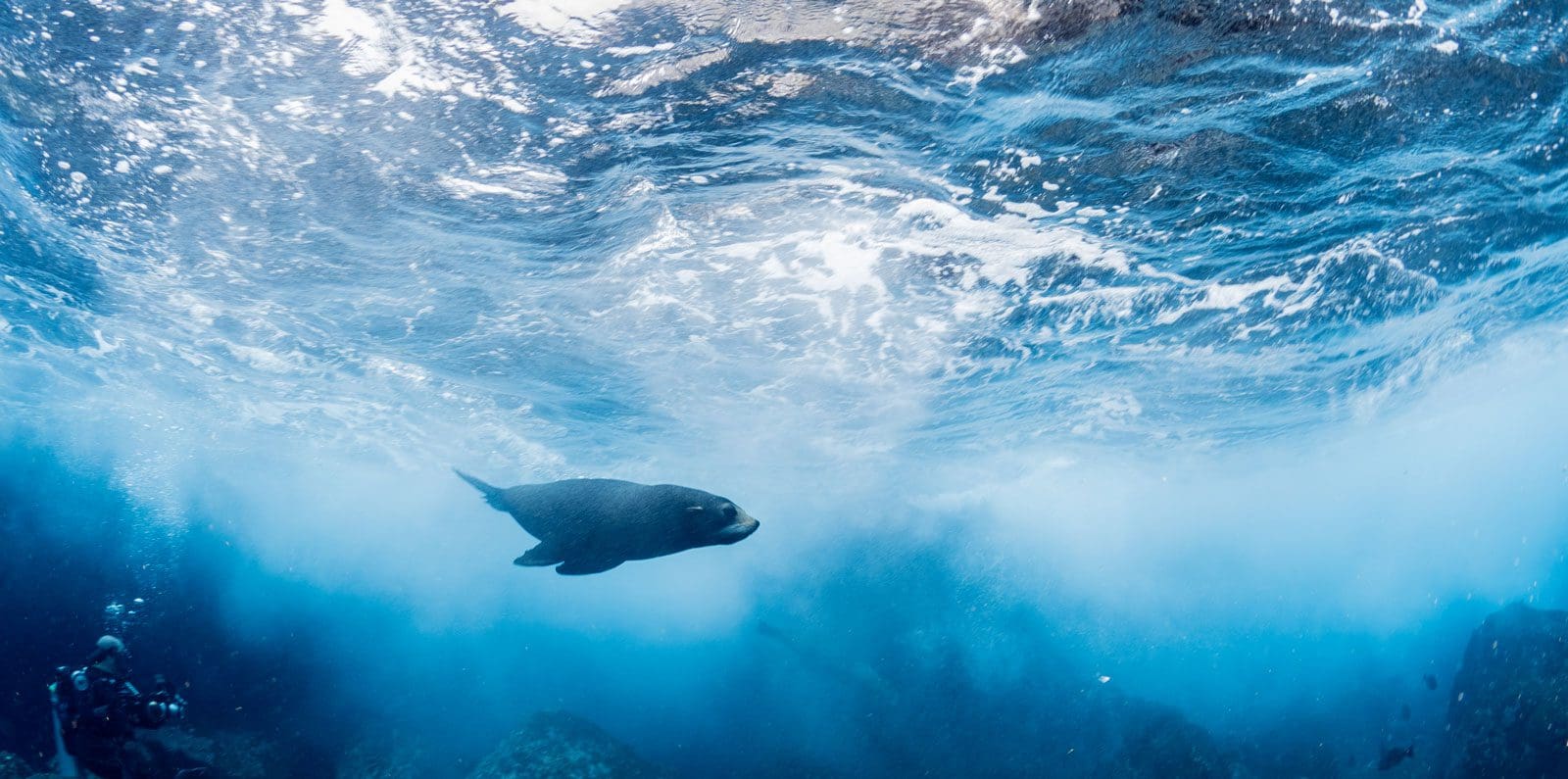
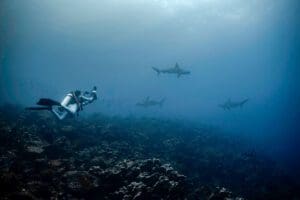
In the Galapagos, you can expect to encounter many species of sharks, rays, whale sharks, giant oceanic mantas, wild dolphins, sea lions, marine iguanas, and significant tornadoes of schooling fish. The vessel offers the most family-friendly dive team in Ecuador. A private Galapagos park guide will accompany you on all dives. Families will dive from 2 pangas set up for family dives. Marine presentations and slide shows featuring the day’s aquatic life will be provided weekly.
 The elegant & spacious 16-passenger M/V Tiburon Explorer Galapagos diving liveaboard features nine air-conditioned staterooms on the main and lower decks, each with a private bathroom and an ocean view. All nine cabins have twin beds and can be converted to queen beds for couples. The yacht features a partially covered sun deck with a Jacuzzi, ample seating, and a salon with a dining area, bar, and entertainment area.
The Tiburon Explorer diving liveaboard features a spacious dive deck that includes a bathroom, a large camera table with a charging station, individual storage areas, rinse bins for cameras, and another for gear. Diving operations are conducted from two large pangas (tenders), which are quickly boarded from the dive deck.
Bucket list trip of a lifetime! The Galapagos is a great place to dive all year round! If you can’t make the July trip, call us at 1.803.419.2556 about booking this “Bucket List” adventure.
Galapagos Information
- Galapagos entry information
- Galapagos/Ecuador Travel Protocols
- Explorer Ventures information
The Northern Galapagos Islands family dive adventure trip to Darwin and Wolf is rated #1 for diving, education, adventure, and diversity
This dive trip is genuinely for the intrepid traveler. Empty Nester Travelers have privately chartered the luxury 16-passenger Tiburon Explorer liveaboard and 11 Crew Members, including dive instructors and private park guides.
Reasons to go
- Learn about and experience the Galapagos Islands’ staggering array of marine life, nearly 20 percent of which is found nowhere else on Earth.
- Experience the ocean surrounding the Galapagos Islands with your kids, diving with sea turtles, sharks, sea lions, and over 500 fish species, out of which 25% are endemic.
- Sailing through these majestic Islands of the Galápagos, located 1,000 kilometers (600 miles) west of the mainland of Ecuador, is considered the crown jewel of scuba diving worldwide.
- Visit the Charles Darwin Institute. This archipelago was made famous by Charles Darwin’s publication The Origin of Species in 1859. The Galapagos is now a UNESCO World Heritage Site and is considered one of the Seven Wonders of the World.
- Only 14 permits a year are issued to dive in the Galapagos Islands, and you are one of the very few that will ever have the opportunity to dive and explore these islands above and below at a time of year, which is considered the peak whale shark season.
Please call us today at 1-803-419-2556. We will assist you with trip preparations for Ecuador and gear needs for your family, hotel stays, pre- and post-cruise tours, and information. We are experts in family travel and look forward to meeting your expectations and needs.
Finding Whale Sharks
The Galapagos Islands are located at the confluence of three great oceanic currents: the cold South Equatorial Current (source is the Humboldt Current), the warm Panama Current, and the cold, deep Cromwell Current. Every July, the tradewinds freshen, and the South Equatorial Current lowers land and water temperatures, providing a perfect environment for whale sharks.
Whale sharks are filter feeders, extracting plankton from the water, and often small fish. They are migratory and travel the oceans on regular routes to feed. The islands of the Galapagos provide numerous areas of natural upwelling during Whale Shark season – and the plankton loves this. And Whale Sharks love plankton!
Our underwater guides are the best sources for finding whale sharks. They know how to watch the wind, current, and water temperatures to determine the best spots to see whale sharks. While this is often at an underwater point facing the upwelling (but sometimes not the current – the upwelling and current may be different) it is often close to the reef.
Rates & Prices
Here are the rates for our weeks in the Galapagos on the Tiburon Explorer. We have chartered the ship from July 4 to 11th and from July 11 to 18th, 2026, and from July 8th-15th and July 15th-22nd, 2028.
Package Includes
Once you are on the yacht, it’s all covered!
Main deck Staterooms (1-6): Twins or queen beds, dresser, closet, and private ensuite bathroom with shower. Lower deck suites (7-9): large port windows, twin or queen beds, lounge area with sofa bed, and private ensuite bathroom with shower.
Price for the July 5th to 12th trip is $7,395* (an 80% increase for a single occ.) All pricing is in US Dollars, per person, double occupancy.
Not included and payable in the Galapagos: Galapagos National Park Fee (Cash only $200 per person), Chamber Support Fee ($35 35per person), Tourist card ($20 20per person), and fuel tax($150 150Per person). Domestic round-trip Airfare to the Galapagos Islands from GYE or UIO. Approximately $500 round-trip. Additional land tour options are available before/after the cruise. Guaranteed Single Occupancy is billed an additional 80% of the retail stateroom/suite price. *Fuel tax included as of July 2021.
Package includes
- Seven nights/8 days aboard the vessel
- Three meals daily, plus between-dive snacks
- 2-4 dives daily – a total of 18-19 dives
- Use of tanks, weights, and belts
- All domestic alcoholic and non-alcoholic beverages
- Airport transfers between the GPS and the boat for same-day arrivals and departures
- 1 afternoon guided land tour to see the lava tubes and the Galapagos Tortoise, departure 2 pm from the boat, Day 7.
- 1 afternoon guided land tour to see nesting Boobies, Sealions, Frigate birds, and other flora and fauna.
- 1 afternoon unguided in Galapagos’ main town, Santa Cruise, to shop and enjoy a few hours, along with dinner on your own.
- Daily briefings and presentations
- Closing ceremony and presentation
- Boutique time to shop on board
- 2 afternoon Panga excursions for photographers to see whales, dolphins, sea birds, and other Galapagos animals.
- Use of a hot tub on the top deck
- coffee and cappuccino maker
- Trip slide show and photos to share and keep
- 1 Galapagos guide in the water with each eight divers
- 2 private pangas to dive from
- Wifi
- Laundry washer and dryer
Packages do not include
- Hotel accommodations pre- or post-trip
- Flights to/from Galapagos
- International flights to UIO or GYE
- Last evening’s dinner
- Rental, instruction, nitrox, and retail charges
- Crew gratuities
- Trip cancellation & dive accident insurance(mandentory)
- Diver insurance DAN
- Premium alcoholic beverages
- Hyperbaric chamber fee
Schedule
Sample Itinerary: please note changes can be made due to weather
Saturday: Baltra (1 check-out Dive at Punta Carrion)
Guests fly to the Galapagos Islands from Mainland Ecuador in the late morning. The dive guides will meet the guests at the airport between 11:30 am and 12 pm and escort them to the Galapagos liveaboard, Tiburon Explorer. Guests will board the vessel, have lunch, and listen to the briefings. After the briefings, the guests will do a check-out dive at Punta Carrion. After dinner, the vessel will depart to the next scheduled destination.
Sunday: Baltra North (2 Dives)
6:30 and 9:30 dives
Sightings include rays and schools of fish.
Afternoon North Seymour land visit. Walk the path around North Seymour Island to see the large colonies of Blue Footed Boobies and Frigate Birds. Sighting of Sea Lions and Marine Iguanas is also common.
Depart for Wolf Island (long transit)
Monday: Wolf Island (4 Dives)
6:30, 10:30. 2:00 and 4:30 dives. Possible night dive.
Sightings often include hammerheads, the whale shark (in season), eagle rays, sea lions, Galapagos sharks, and silky sharks.
Tuesday: Darwin Island (4 Dives)
6:30, 10:30, 2:00 and 4:30 dives
Sightings often include hammerheads, whale sharks (in season), eagle rays, Galapagos, and silky sharks.
Transit to Wolf Island
Wednesday: Wolf Island (3-4 Dives)
6:30, 10:30, 2:00 and 4:30 dives
Sightings often include hammerheads, whale sharks (in season), eagle rays, Galapagos, and silky sharks.
Transit to Cabo Douglas (12 hours)
Thursday: Cabo Douglas (1-2 Dives)
Sightings include marine iguanas.
Transit to Punta Vicente Roca
Punta Vicente Roca (1-2 Dives)
Sightings often include mola mola, turtles, and macrolife
Transit to Cousins Rock (10 hours)
Friday: Cousins Rock (2 Dives)
6:30 and 9:30 dives
This is great macro diving, with an excellent chance of seeing sea horses, sea lions, and eagle rays. Lunch will be served while transiting to Santa Cruz (3 hours). Travel by bus to the Santa Cruz Highlands to visit the giant tortoises in their natural habitat. Transfer to the town of Puerto Ayora. Dinner on your own in Puerto Ayora. Return to the Tiburon Explorer at 8:30 p.m.
Saturday: Baltra
Depart the vessel by 9 am. Transfer to the airport.
Accommodations
Sleep in luxury on the open ocean
After an exciting and awesome day of diving in the Galapagos, you might be a little tired. The Tiburon Explorer has just the cabins to refresh and recharge to dive again the next day.
Master Stateroom cabins: 1-4 are located on the Dolphin deck (deck plans) and have two twin beds (that can be joined together), private facilities, window view, mirrored cabinet, wardrobe, bathrobes, hairdryer, biodegradable toiletries, fresh towels daily, air conditioning and volume controls.
Deluxe Stateroom cabins: 5-8 are located on the Iguana deck (deck plans) and have two twin beds, private facilities, a Portlight view, a mirrored cabinet, a wardrobe, bathrobes, hairdryer, biodegradable toiletries, fresh towels daily, air conditioning, and volume controls.
Rates include
- Cabin accommodation
- All meals, snacks, beverages (including beer and wine with dinner)
- Air or nitrox-filled tanks
- Weights, weight belt
- Up to 4 dives per day on 5.5 days for 7-night cruises
- 8.5 days of diving on 10-night cruises
- 3 land excursions, service of naturalist guides and dive masters
- Transfers in the Islands between airport and dock from flights arriving before 1:00 pm
The Tiburon Explorer specifications
- Length overall: 125ft (38 meters)
- Beam: 24.6 ft (7.5 meters)
- Maximum Speed: 12 knots
- Accommodations: 16 passengers in 9 air-conditioned staterooms on main and lower decks, all with private bathrooms and showers. All nine staterooms have twin beds and the staterooms can be converted to queen beds for couples. Up to 9 crew and 2 guides in the Cruise Director Cabin.
- Safety Equipment: Life rafts (2), life rings/strobes, life vests/strobes, emergency position locator, flares, oxygen, and first aid equipment
- Air Systems: 2 electric Bauer compressors with a nitrox membrane, producing 32% nitrox
- Tenders: Rigid hull inflatables (2), used for passenger transport and diver pickup
- Accessories: Diving Equipment
Diving / Diving Site(s)
Diving in the Galapagos
The Diving
The Galapagos is a rustic and raw destination. We travel out to Darwin and Wolf, the farthest Northern Islands of the Galapagos, to dive with the larger and rarer pelagics. In order to do that, we are on a luxury Liveaboard Yacht. I would not recommend this trip for anyone under the age of 10, and I genuinely prefer ages 12 and up.
Having said that, we have been taking families with kids as young as 8 to the Galapagos for 14 years. Those kids that I have made acceptions for were very mature and excellent swimmers and snorkelers, so they enjoyed playing with sea lions and snorkeling with turtles and marine iguanas and had no issues with being on a boat in relation to seasickness. I take kids who are certified divers at ages 10 and 11, and it is pretty easy for me to do. However, at that age, their maximum depth is 40ft. So it’s perfect for the wild dolphins, iguanas, sea lions, and turtles, However, to truly experience diving in the Galapagos, the 70 ft limit of kids age 12+ is more desirable for a more memorable experience.
The Galapagos Islands feature about 30 available dive areas, and this is why Galapagos is definitively the best location for Ecuador scuba diving adventures.
Northern Galápagos Islands dive adventure: The best and most abundant marine life is around the archipelago’s northern islands, especially Wolf Island and Darwin Island. Live-Aboard Only can access these islands.
Education and Learning
The waters around the small, remote islands of Darwin and Wolf contain the largest biomass of sharks on the planet. You will learn about the most important species for the survival of our oceans. Sharks are found here like no other place on earth. Many come here, migrating from around the world to reproduce. This makes them vulnerable to commercial shark fin poachers and long-line fishermen. Although the numbers decreased yearly due to worldwide shark finning, diving in the Galapagos still yields massive schools of Hammerheads, rays, and other marine life. You will see and experience what may not be around for other generations to come. Upon arriving in the Galapagos, each person pays a $100 park fee in cash. This goes to support, protect, and care for this remarkable preserve.
At Wolf Island, divers are rewarded with many reef fish, including schools of angelfish, after the long twelve-hour trip from Santa Cruz. The sea depth ranges from 12 to 20 meters. The area known as El Derrumbe is reputed to be the best place in the Galápagos to see hammerhead sharks. The caves around the island offer opportunities to observe white-tipped reef sharks, hawkfish, sea turtles, and pufferfish.
Darwin Island is just two hours north of Wolf Island. The shelves drop from 15 to 22 meters. Various sea life lives here, including moray eel, surgeonfish, serranid, carangid species, and triggerfish.
Courses Offered
- PADI Underwater Naturalist: Learn critical differences between the terrestrial and aquatic worlds, major aquatic life groupings, interactions, and information that dispels myths and responsible interactions with marine life. Click here for more info.
- PADI Digitial Underwater Photographer: Learn how to choose the right underwater camera system for you, the PADI SEA (Shoot, Examine, Adjust) method for getting great shots quickly, principles for good composition of underwater images, practical techniques to take great photos with your digital camera. Click here for more info.
Sample Itinerary
Saturday: Baltra (1 Check Out Dive at Punta Carrion) Guests fly to the Galapagos Islands from Mainland Ecuador, arriving in the late morning. The dive guides will meet the guests at the airport between 11:30 am and 12 pm and escort them to the Galapagos liveaboard, Tiburon Explorer. Guests will board the vessel, have lunch, and listen to the briefings. After the briefings, the guests will do a checkout dive at Punta Carrion. After dinner, the vessel will depart to the next scheduled destination.
Sunday: Baltra North (2 Dives) 6:30 and 9:30 dives. Sightings include rays and schools of fish—afternoon North Seymour land visit. Walk the path around North Seymour Island to see the large colonies of Blue Footed Boobies and Frigate Birds. Sighting of Sea Lions and Marine Iguanas is common. Depart for Wolf Island (long transit)
Monday: Wolf Island (4 Dives) 6:30, 10:30. 2:00 and 4:30 dives. Possible night dive. Sightings often include hammerheads, whale shark (in season), eagle rays, sea lions, Galapagos, and silky sharks.
Tuesday: Darwin Island (4 Dives) 6:30, 10:30, 2:00 and 4:30 dives. Sightings often include hammerheads, whale sharks (in season), eagle rays, Galapagos, and silky sharks. Transit to Wolf Island
Wednesday: Wolf Island (3-4 Dives) 6:30, 10:30, 2:00, and 4:30 dives. Sightings often include hammerheads, whale sharks (in season), eagle rays, Galapagos, and silky sharks. Transit to Cabo Douglas (12 hours)
Thursday: Cabo Douglas (1-2 Dives) Sightings include marine iguanas. Transit to Punta Vicente Roca. Punta Vicente Roca (1-2 Dives) Sightings often include mola-mola, turtles, and macro life. Transit to Cousins Rock (10 hours)
Friday: Cousins Rock (2 Dives) 6:30 and 9:30 dives. This is great macro diving, with an excellent chance of seeing sea horses, sea lions, and eagle rays. Lunch will be served while transiting to Santa Cruz (3 hours). Travel by bus to the Santa Cruz Highlands to visit the giant tortoises in their natural habitat. Transfer to the town of Puerto Ayora. Dinner on your own in Puerto Ayora. Return to the Tiburon Explorer at 8:30 p.m.
Saturday: Baltra, Depart the vessel by 9 a.m. Transfer to the airport.
Dining / Restaurant(s)
Food aboard the Tiburon Explorer
- The Tiburon Explorer, lunch and evening meals usually consist of salad, potatoes, rice, chicken, beef, pork, and fish. Breakfast is the usual fare of eggs, cereal, toast, and fresh fruit. If you have any dietary restrictions or requests, please indicate so on your KSC application form.
- Please note that specific brands of soft drinks, dressings, and foods are often unavailable on the islands, and it can be very difficult for a remote liveaboard to find low-fat or soy products and other items common elsewhere. While the Tiburon Explorer will do its best to accommodate your requests, please be realistic and consider bringing some of your own items if the lack thereof may constitute a health risk or seriously compromise the enjoyment of your vacation.
Activities
It’s all about diving!
There really isn’t anything else to do on the Galapagos Sky but dive. Yeah, we will take some afternoon walks on some of the islands, but is a liveaboard. This is a “Bucket List” adventure, let’s go diving! So here’s more diving information for the trip.
Gear on The Tiburon Explorer (See video of what you could see!)
We highly recommend that divers bring their own gear. Advanced diving conditions that are common in Galapagos truly call for divers to be on their own, known, and properly fitting gear. Keep in mind Limited Sizes & Quantities are available. Please note that The Tiburon Explorer doesn’t rent or sell gloves, torches/underwater lights, or dive knives. The vessel provides tanks, weights, and weight belts for your use. If you prefer to rent the rest of your equipment from us, we have all of the equipment that you will need. Please indicate on your application form what equipment (and size) you will require. Otherwise, the following items are the diver’s responsibility:
- Certification Card
- Diving Log Book (strongly encouraged)
- Mask *
- Snorkel
- Fins/Booties *
- Buoyancy Control Device (required) *
- Regulator w/alternate air source, submersible pressure, and depth gauges (required)*
- Dive computer (required) *
- Dive light
- Wet suit: 5 mm to 7 mm *
- Hooded vest or hood
- Gloves
- Repair kit w/ spare parts
- Safety flag *
- DiveAlert air horn for regulator *
- Nautilus Lifeline *
* Available for rent onboard. Rental/Course Pricing (PDF) Most of our guests bring their own complete set of dive gear. This is the ideal situation; however, due to weight limits or additional travel plans, some of our guests choose to rent gear. We strongly recommend bringing your own mask, gloves, booties, fins, hood or hooded vest, and computer. A personal wetsuit is also a good idea if you have space. Diving in Galapagos can be challenging, and it is important that you are comfortable. Gloves are suggested as the rocks can be sharp and can damage hands.
Know Before You Go
Bucket lists diving takes some time. Getting to the Galapagos
First a note about having a current Passport: Passports with a minimum of 6 months remaining before the expiration date are required for all arriving foreign nationals. If in doubt about visas, contact the Ecuadorian Consulate for specific requirements from your country. Transfers between the airport (Baltra/GPS) and vessel for same-day arrivals & departures are included. If you are arriving early and staying on Santa Cruz Island or arriving from another island, please meet the Tiburon Explorer representative at the airport arrivals area at 11:30 am. Departure from the Baltra airport to Tiburon Explorer is at 12 noon.
If you miss any of your flights and are not able to make it to Ecuador or the Galapagos on schedule, please contact Galasam, our Ecuadorian partner, at 011-593-99703-1382 or 011-593-99529-7471. Notify them of your updated arrival time and where you may be reached in the meantime. The vessel will leave port on Saturday at approximately 2:00 pm. Retrieving lost luggage after the vessel departs on charter is impossible. It can be retrieved when the vessel returns to port at the end of the charter. The vessel arrives at its final destination port on Saturday morning. The Friday evening meal is on the island and is not included in the price of the trip. Transportation is organized and included for transfer to the airport. The departure tax from Quito and Guayaquil is now included in international flight prices.
Please note: Flight times, prices, and the Galapagos airport of arrival are all subject to change with little or no notification, and flights often run late. We strongly encourage our guests to plan on arriving at least one and preferably two days prior to their flight to the Galapagos Islands, to ensure that their luggage is with them or to make up for any travel delays.
We also recommend that guests plan on an extra night in Quito or Guayaquil before departing Ecuador. The earliest time a guest can reliably expect to connect to another flight is 5 pm on the last Saturday of the trip from Guayaquil or 7 pm from Quito. Ticket holders have required to check in a minimum of three hours prior to flight time for all international departures, even when connecting from an Aerogal or Tame flight. If you are booking your own domestic flights, the Tiburon Explorer departs from Baltra (GPS), not San Cristobal (SCY). Passengers flying into San Cristobal must arrange their own transportation to Baltra.
Quito Hotels
- Hotel Mercure Alameda Quito
- Casa Jimenita
- Wyndham Quito Airport
Guayaquil Hotels
- Wyndham Guayaquil
- Hotel Macaw
San Cristobal Hotel
- Galapagos Eco-Friendly
Santa Cruz Hotels
- Galapagos Suites Hotel
- Hotel Pelican Bay
- La Isla Hotel