
10 tips I learned from teaching JOW’s(Jr. Open Water kids age 10-14)
By Holly Wakely, PADI OWIS Instructor
In February 2021, I became a PADI dive instructor with Kids Sea Camp at Buddy Dive in Bonaire. This has been a dream of mine since I became a Jr. rescue diver 6 years ago. Thanks to Margo’s dive leader internship programs, I was able to gain experience this spring break in Belize as a fresh-minted PADI Instructor. The ability to intern and gain teaching tips experience before becoming an instructor is invaluable. Margo paired me each week with highly experienced KSC instructors so I could learn and gain confidence. In the first week, I assisted as part of the team with four students: Izabell, a 10-year-old; Natalia, an adult mom with her two sons, Daniel, age 14, and Alex, age 11. In the second week, I was the lead instructor, with assistance for 2 kids: 10-year-old Macello and 13-year-old Brooklyn. In the third and final week, I worked with 10-year-old Logan and his mom, Bailey.
The diving tips I learned in Belize!
My PADI Course Director, Lars at Buddy Dive, prepared me well with tons of dive training tips. He made sure, knowing I was becoming a Kids Sea Camp instructor, to drill me on the best and most effective ways to teach, both adults and kids. However, real-life teaching poses obstacles you don’t encounter in the book. So many tips, from cuts and scrapes to tired, hungry, chatty kids, and boat rides through rough water, or getting them through some of the more difficult skills. Boy, did I learn a lot more than I now anticipate!
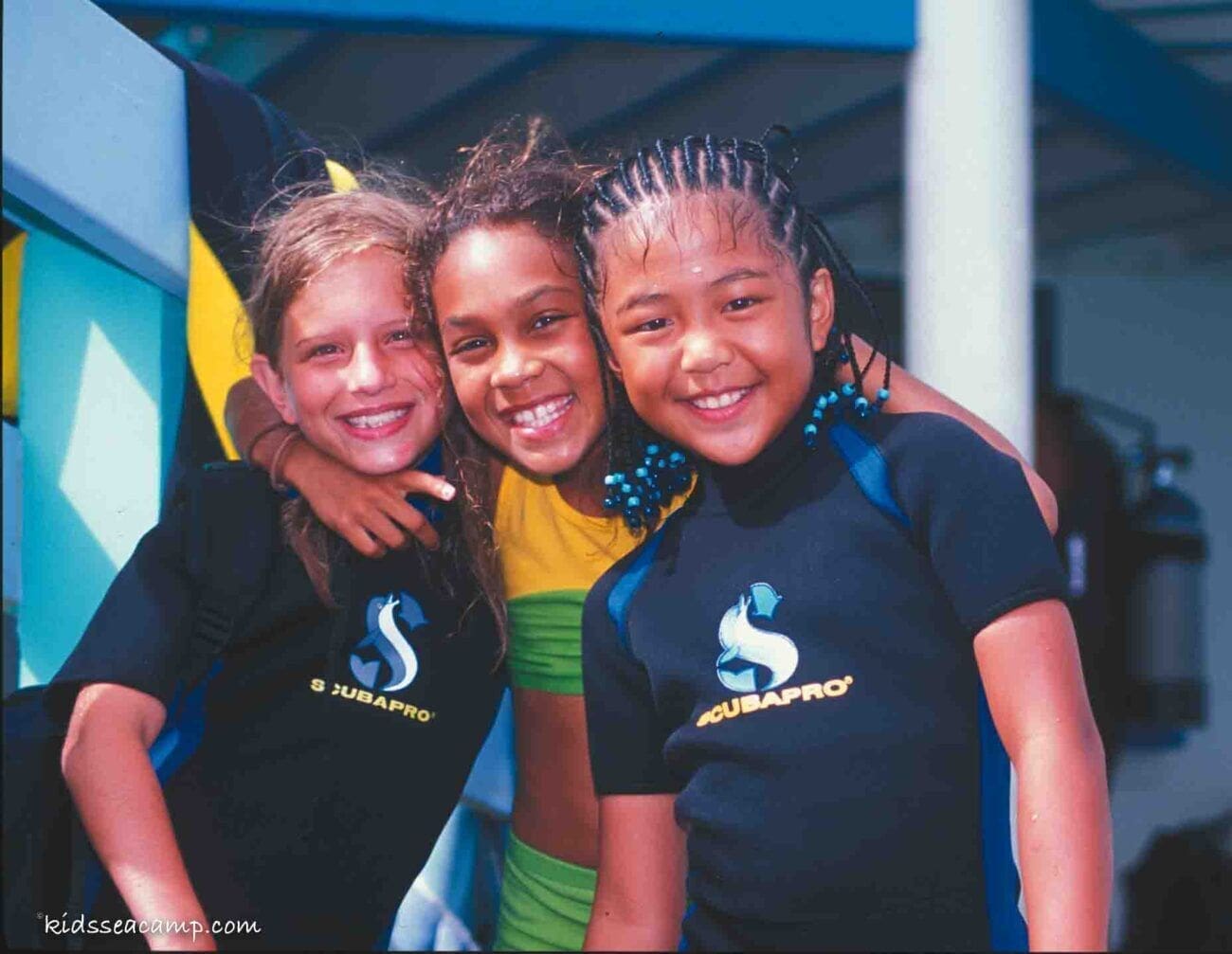
Each of the three weeks had a 10-year-old Junior open-water diver as a teacher; some people argue that 10 is too young to dive. I know that it’s because I was certified at 10 at Kids Sea Camp. I know it is entirely possible for a young diver to join the underwater world with the right kid-friendly instructor. Luckily for me, each of my students had participated in either SASY or SEAL team with Kids Sea Camp over the years, so they were already comfortable with a regulator in their mouths and with swimming and snorkeling in open water. Each student came with their own unique set of fears and stresses. So are 10 slightly random things I learned to overcome real-life Jr. open-water obstacles and encourage each of my students to complete their training and become certified.
Ten tips for Instructors
- Sunscreen is useful for more than just sun protection- it’s jellyfish sting-proof as well as pre-existing cuts, scrapes, or bug bites that can sting in salt water. Lather them in skin-sensitive waterproof sunscreen (bonus points if it’s reef safe) and let the kids know that, like magic, no stings in salt water anymore
- Sometimes you have to negotiate class time and training. Kids want to play, but you have confined water sessions to do? Make it fun and create playtime after classes are finished for the day. Some water volleyball or paddleboarding, crab races, or even a smoothie is a great reward.
- Food is fuel! This one I kind of taught myself. I think I got hungrier than the kids did, even in the hot sun. Frequent snacks and water breaks are important for keeping energy up and making the course less daunting for little ones.
- Everything is bigger for kids because they’re small. Forty feet may only be 7 times your height, but it can be 10 times their height. This can make the ocean seem really intimidating. It helps a lot if they can see the bottom and have clear, calm water to begin in. Stay shallow, I find 20ft the perfect depth for the first 10 dives.
- The scariest skill is the full mask removal and replacement. Salt water burns their little eyes and scares them. Practice this repeatedly in fresh water during the confined sessions. Let them know they can keep their eyes closed, and you can hold on to them. Let them practice in salt water without dive gear while snorkeling, and then complete the course in class with an open-water dive.
- Kids learn by watching you, so they copy what you do and how you do it. So make sure you are your best diver self when diving or teaching with them.
- Keep things fun. Acronyms are boring, until they’re not. BWRAF, the buddy check. You may know it as “Begin With Review And Friend”; at least, that’s how it’s taught in the book. At 10, I would never remember this, make it Big White Rabbits Are Fluffy or Burger With Relish And Fries, and suddenly it’s glued into not only my short-term memory but my long-term memory too.
- As soon as their internal timer hits 25 minutes, they’re freezing. Layering wetsuits or skins helps, but they’re naturally going to get colder than we do, faster than we do. Unless you show them something crazy cool (this could be just a turtle to us, but they’ve never seen a real live sea turtle before), they suddenly get distracted from the slight cold and get excited about diving.
- Mask flap straps are the most helpful piece of equipment they could own, no joke. For some reason, their hair gets everywhere, and the rubber strap is sticky and hurts. Flap straps make it easy to put masks on and off. They look cool too (especially if it says Kids Sea Camp on it!)
- Pee schedules. Big tips alert! OMG, little kids have to go to the bathroom all the time. They have small bladders and are drinking lots of water to stay hydrated. So be prepared to take a lot of bathroom breaks. A two-piece wetsuit comes in much more handy than a one-piece. And NO, they will not pee in their suit or the pool, so make sure the toilet is close by.
Holly Wakely is now a PADI course director and a shining star in the diving industry. She currently works with Blue Horizons Diving and continues to create the next generation of divers with the utmost care. Kids Sea Camp is incredibly proud of her and her accomplishments.