
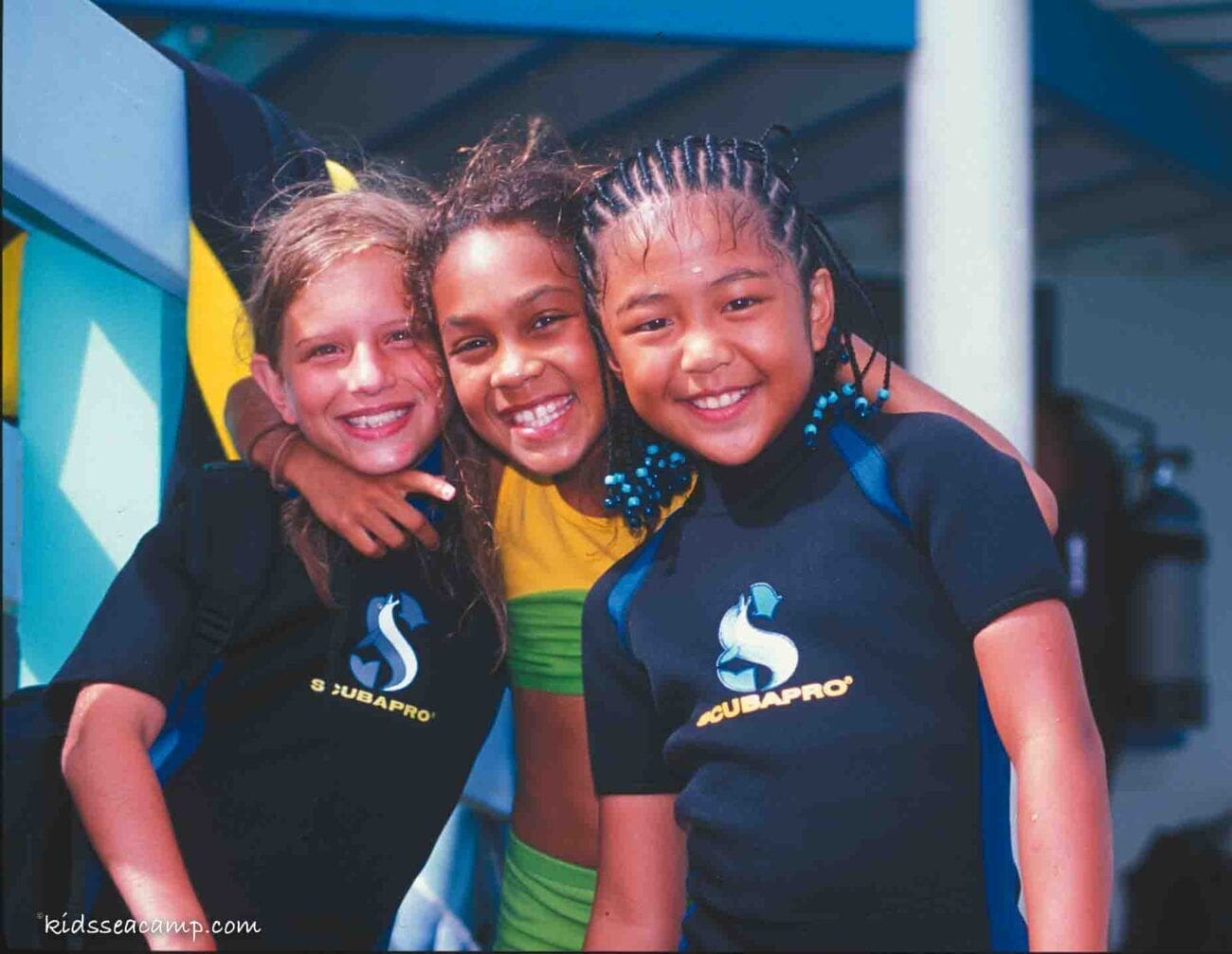
Tips for teaching diving to teens

Kids Sea Camp, diving with Kids, diving with family

10 tips I learned from teaching  JOW’s(Jr. Open Water kids age 10-14)

By Holly Wakely, PADI OWIS Instructor

In February 2021, I became a PADI dive instructor with Kids Sea Camp at Buddy Dive in Bonaire. This has been a dream of mine since I became a Jr. rescue diver 6 years ago. Thanks to Margo’s dive leader internship programs, I was able to gain experience this spring break in Belize as a fresh-minted PADI Instructor. The ability to intern and gain teaching tips experience before becoming an instructor is invaluable. Margo paired me each week with highly experienced KSC instructors so I could learn and gain confidence. In the first week, I assisted as part of the team with four students: Izabell, a 10-year-old; Natalia, an adult mom with her two sons, Daniel, age 14, and Alex, age 11. In the second week, I was the lead instructor, with assistance for 2 kids: 10-year-old Macello and 13-year-old Brooklyn. In the third and final week, I worked with 10-year-old Logan and his mom, Bailey. 

The diving tips I learned in Belize!

My PADI Course Director, Lars at Buddy Dive, prepared me well with tons of dive training tips. He made sure, knowing I was becoming a Kids Sea Camp instructor, to drill me on the best and most effective ways to teach, both adults and kids. However, real-life teaching poses obstacles you don’t encounter in the book. So many tips, from cuts and scrapes to tired, hungry, chatty kids, and boat rides through rough water, or getting them through some of the more difficult skills. Boy, did I learn a lot more than I now anticipate!

Each of the three weeks had a 10-year-old Junior open-water diver as a teacher; some people argue that 10 is too young to dive. I know that it’s because I was certified at 10 at Kids Sea Camp. I know it is entirely possible for a young diver to join the underwater world with the right kid-friendly instructor. Luckily for me, each of my students had participated in either SASY or SEAL team with Kids Sea Camp over the years, so they were already comfortable with a regulator in their mouths and with swimming and snorkeling in open water. Each student came with their own unique set of fears and stresses. So are 10 slightly random things I learned to overcome real-life Jr. open-water obstacles and encourage each of my students to complete their training and become certified.

Ten tips for Instructors
  1. Sunscreen is useful for more than just sun protection- it’s jellyfish sting-proof as well as pre-existing cuts, scrapes, or bug bites that can sting in salt water. Lather them in skin-sensitive waterproof sunscreen (bonus points if it’s reef safe) and let the kids know that, like magic, no stings in salt water anymore
  2. Sometimes you have to negotiate class time and training. Kids want to play, but you have confined water sessions to do? Make it fun and create playtime after classes are finished for the day. Some water volleyball or paddleboarding, crab races, or even a smoothie is a great reward.
  3. Food is fuel! This one I kind of taught myself. I think I got hungrier than the kids did, even in the hot sun. Frequent snacks and water breaks are important for keeping energy up and making the course less daunting for little ones.
  4. Everything is bigger for kids because they’re small. Forty feet may only be 7 times your height, but it can be 10 times their height. This can make the ocean seem really intimidating. It helps a lot if they can see the bottom and have clear, calm water to begin in. Stay shallow, I find 20ft the perfect depth for the first 10 dives.
  5. The scariest skill is the full mask removal and replacement. Salt water burns their little eyes and scares them. Practice this repeatedly in fresh water during the confined sessions. Let them know they can keep their eyes closed, and you can hold on to them. Let them practice in salt water without dive gear while snorkeling, and then complete the course in class with an open-water dive.
  6. Kids learn by watching you, so they copy what you do and how you do it. So make sure you are your best diver self when diving or teaching with them.
  7. Keep things fun. Acronyms are boring, until they’re not. BWRAF, the buddy check. You may know it as “Begin With Review And Friend”; at least, that’s how it’s taught in the book. At 10, I would never remember this, make it Big White Rabbits Are Fluffy or Burger With Relish And Fries, and suddenly it’s glued into not only my short-term memory but my long-term memory too.
  8. As soon as their internal timer hits 25 minutes, they’re freezing. Layering wetsuits or skins helps, but they’re naturally going to get colder than we do, faster than we do. Unless you show them something crazy cool (this could be just a turtle to us, but they’ve never seen a real live sea turtle before), they suddenly get distracted from the slight cold and get excited about diving.
  9. Mask flap straps are the most helpful piece of equipment they could own, no joke. For some reason, their hair gets everywhere, and the rubber strap is sticky and hurts. Flap straps make it easy to put masks on and off. They look cool too (especially if it says Kids Sea Camp on it!)
  10. Pee schedules. Big tips alert! OMG, little kids have to go to the bathroom all the time. They have small bladders and are drinking lots of water to stay hydrated. So be prepared to take a lot of bathroom breaks. A two-piece wetsuit comes in much more handy than a one-piece. And NO, they will not pee in their suit or the pool, so make sure the toilet is close by.

Holly Wakely is now a PADI course director and a shining star in the diving industry. She currently works with Blue Horizons Diving and continues to create the next generation of divers with the utmost care. Kids Sea Camp is incredibly proud of her and her accomplishments.

Safety Tips on diving with your kids

KIDS AND DIVING, FAMILY DIVE Vacations, Kids Sea Camp

A guide to Safe and Unforgettable diving with your kids.

Dear Scuba Moms and Dads,

Imagine sharing the magic of the underwater world with your children, exploring vibrant coral reefs, encountering fascinating marine life, and creating memories that will last a lifetime. Scuba diving can be an incredible family activity, fostering a love for the ocean and building bonds through shared experiences. For 25 years, I’ve had the privilege of diving with families around the globe, issuing hundreds of youth certifications each year. My passion is ensuring that these adventures are fun, safe, and enriching. I’ve compiled this list of helpful tips for diving with kids to help parents navigate family scuba diving and make informed decisions that prioritize your children’s well-being. Please reach out with any questions or to share your own experiences.

Planning Your Family Dive Experience: Key Considerations

One of the most common concerns I hear from parents is the feeling of vulnerability when booking independent dive trips with kids. Stories of close calls and stressful dives are, unfortunately, too frequent. To help you avoid such situations better. Choosing the right dive operator is paramount. Look for operators with a proven track record of prioritizing safety, especially when working with children. 

Here are some critical questions: 

  • Are they experienced in teaching and guiding young divers?
  • Do they offer specialized programs for kids, like Seal Team or Junior Diver courses?
  • What is their instructor-to-student ratio for dives involving children? Are you comfortable with those ratios? My Ratio for kids under 12 is one instructor per 2 kids. Special needs is 1:1
  • Do they have appropriately sized gear for children, including smaller tanks, BCD, and mouthpieces?
  • Does that dive operation follow depth mandates for kids?
  • What safety equipment do they carry on their boats (oxygen, first aid, communication devices)?
  • What is their emergency plan, and where is the nearest hyperbaric chamber?
  • Are all instructors and dive masters current, active, and up-to-date on their training?
  • What is their policy regarding children on their dive boats?

Understanding Youth Diving Standards:

Familiarize yourself with the specific depth and supervision requirements for your child’s age and certification level. This information is readily available on their certification card and through reputable dive organizations like PADI. Don’t hesitate to ask your dive instructor or local dive shop for clarification. Key tips on diving with kids:

  • Children 8+ can experience confined water dives (pool) with programs like the PADI Seal Team and Master Seal Team, reaching depths of up to 12 feet only in a controlled pool environment and under the direct supervision of a PADI Pro. This program is not open water dives unless waivers are provided by PADI to go in the ocean. There are other programs, such as SSI Scuba Rangers and PADI Bubble Maker. Ask your dive operator about the standards for these programs.
  • Junior Open Water Divers (10-11 years old) have a maximum depth limit of 40 feet and must dive with a parent or PADI Pro.
  • 12-year-olds can dive to 60 feet, and with a Junior Advanced Open Water certification, they can explore depths up to 70 feet. However, they can only do this with a parent or a PADI Pro.
  • The recreational diving limit of 120 feet is only reached at age 15. (based on training, comfort, and experience.)
  • Children should never dive with other children without the parent or PADI Pro present.

Parental Preparedness:

Your role as a parent diver is crucial. 

  • A confident and competent diver yourself, with up-to-date skills and knowledge of dive safety protocols.
  • Physically fit and able to assist your child in case of an emergency.
  • Pre-Trip Refresher: A pool refresher before your trip is an excellent way for kids to re-familiarize themselves with their gear and basic skills.
  • Open Communication: Talk to your children about what to expect on their dives. Address any fears or anxieties they may have.
  • Buddy System: Emphasize the importance of staying close to their buddy (you or the assigned dive professional) and maintaining visual contact at all times.
  • Respect for Marine Life: Teach your children to observe marine life respectfully and avoid touching or disturbing underwater creatures.
  • Log Your Dives: Keeping a dive log is a fantastic way to track your family’s underwater adventures and celebrate your shared experiences.
  • Have a Wet Notes pad or something to communicate with your child during the dive.

Essential Do’s and Don’ts:

  • Do: Thoroughly research dive operators. Prioritize safety. Know your child’s certification limits. Communicate openly with your children. Ensure properly fitted gear. Stay close to your buddy. Practice safe diving habits (safety stops, etc.). Respect marine life.
  • Do bring a Pro and a local guide with you on your dives
  • Do some research about all the marine life you may encounter on your dive choice
  • Do hydrate and get plenty of rest before a dive
  • Do share your dive plan with your kids
  • Do make sure you plan your dive and dive your plan
  • Do share any of your concerns with your chosen dive operator
  • Do list any medications or conditions on the waiver forms
  • Check with your doctor to ensure any conditions or medications are approved for diving activities.
  • Have fun and share your positive experiences with family and friends
  • Don’t: Make assumptions about safety practices.
  • Don’t: Hesitate to ask questions.
  • Don’t: Exceed your child’s limits.
  • Don’t: Pressure your child to do something they’re uncomfortable with.
  • Don’t: Compromise on gear quality.
  • Don’t: Forget to check gauges and air supply—neglect pre-dive checks.
  • Don’t forget to be ready and fit, both mentally and physically, before taking your child on a dive.

Scuba diving with your family can be an enriching experience. By prioritizing safety, choosing reputable operators, and staying informed, you can create unforgettable adventures that deepen your family bonds and foster a lifelong appreciation for the underwater world. These tips on diving with kids should help make your next KSC adventure more rewarding.

Kids Sea Camp founder, Margo Peyton