Is Scuba Diving Safe for Kids? Yes — we do it right
By Margo Peyton, PADI Instructor #57474, President, Kids Sea Camp Inc.
As a parent, introducing your child to scuba diving can be both thrilling and nerve-wracking. You’ve likely heard stories of underwater wonders—vibrant coral reefs teeming with colorful fish, the serenity of gliding through crystal-clear waters, and the unbreakable family bonds formed through shared adventures. But in the back of your mind, safety questions linger: Is scuba diving truly safe for kids? What if something goes wrong? How do I choose the right Operator and program to ensure my child’s first dive is magical and safe?
I’m Margo Peyton, founder of Kids Sea Camp and a PADI MSDT Instructor with over 36 years in the dive industry, including 26 years dedicated to youth training and diving. With a flawless safety record and contributions to over 8,100 youth certifications, I’ve made it my mission to prove that yes, scuba diving can be incredibly safe for kids—when done right.
At Kids Sea Camp, safety isn’t just a priority; it’s our foundation. We’ve pioneered child-safe diving programs that treat kids like the precious explorers they are, not just smaller versions of adults. In this blog post, I’ll share expert insights on dive safety for children, key questions to ask as a parent, and why Kids Sea Camp stands out as one of the world’s premier family diving destinations. Whether your little one is eager to follow in your fins or you’re all discovering the ocean together, let’s dive in (pun intended) to make informed, confident choices.
Understanding the Safety of Scuba Diving for Kids
First things first: Scuba diving is safe for kids, but it requires a specialized approach. Think of it similarly to skiing—kids don’t start on black diamond runs; they begin on the bunny slope with patient instructors, proper gear, and close supervision. The scuba industry operates similarly, with certifying agencies like PADI setting age-appropriate standards: Introductory programs like Bubblemaker start at age 8 in shallow, controlled, confined waters, while Junior Open Water certification is available from age 10, with depth limits of 40 feet for 10-11-year-olds and 60 feet for 12-14-year-olds. These guidelines ensure progressive learning, but the real key to safety lies in how they’re implemented.
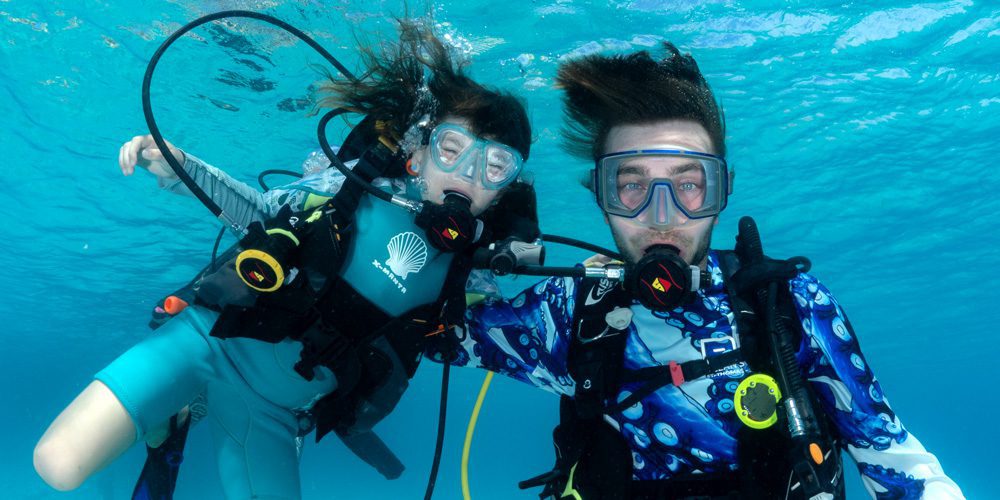
For the youngest divers, PADI’s Bubblemaker program lets kids as young as 8 experience scuba in up to 6 feet of water with an instructor, often in confined-water conditions that mimic a pool—calm, protected areas with no currents or waves. We maintain a strict 1:2 ratio to ensure undivided attention.
Similarly, the PADI Seal Team program for ages 8 and 9 focuses on fun AquaMissions in confined water up to 12 feet deep, building skills through games and themes. Again, 1:2 ratios are key for safety and engagement.
At Kids Sea Camp, our instructor teams apply for a special waiver with PADI and permission to take Seal Team kids into carefully selected ocean locations worldwide that replicate confined water—sites submitted for strict approval to guarantee safety while adding a touch of real-world excitement. Kids Sea Camp has been teaching the PADI Seal Team since 2007.
I emphasize: Kids are not mini-adults
They get cold faster, tire quicker, and may internalize fears differently. They need hand-holding (literally and figuratively), nurturing, and 100% undivided attention. At Kids Sea Camp, we’ve built our programs around this reality: stricter ratios (1:1 or 1:2) than agency minimums, meticulous medical history verification, and a team trained to read subtle cues—even underwater—like a child’s eyes signaling excitement or distress behind a mask.
My flawless 25-year record isn’t luck; it’s the result of unwavering commitment. Parents often tell me their non-diving spouses (especially moms) join in after seeing how fun and relaxing it can be, turning diving into an actual family activity.
Key Differences in Teaching Kids vs. Adults: What Parents Need to Know
One of the biggest misconceptions is that teaching kids to dive is just a scaled-down version of adult courses. Not so. Adults might grasp concepts quickly and push through challenges, but kids require patience, repetition, and fun. They thrive on games—turning buoyancy drills into “hover like a spaceship”—and need breaks for snacks, shade, and reassurance. Emotional support is crucial: Wipe tears after a tough skill, calm fears with stories of your own beginner days, and always ask, “How are you feeling? Ready for more?”
Physically, kids’ smaller bodies mean gear must fit perfectly to prevent slips or chills. Mentally, they might feel pressure to impress parents, so we emphasize a no-rush progression. Instructors must be kid-savvy: Not every great dive instructor makes a great youth instructor. Look for those with experience in nurturing and mentoring kids. Our team at Kids Sea Camp is highly trained, with many members who are parents themselves or have extensive youth backgrounds. We verify ages with IDs, confirm enthusiasm directly with the children, and discuss any paperwork discrepancies. PADI ratios are guidelines; we are a bit more conservative—1:2 for under-12s, 1:4 for certified teens—because safety matters.
- Parents, empower yourselves by asking the right questions before enrolling:
- What are your instructor-to-child ratios, and how do you adjust for special needs?
- How do you screen instructors for youth experience?
- What’s your emergency protocol, and are all staff current on rescue training?
- Can I observe a session and see reviews?
- How do you handle fears, fatigue, or medical concerns?
- Safe places prioritize these and avoid overcrowded classes or rushed training. Instructors should have plenty of experience teaching kids.
Why Kids Sea Camp is the Platinum Standard for Family Dive Safety
At Kids Sea Camp, we’ve pioneered the “bunny slope” for the diving industry—a gentle, family-focused introduction that has welcomed generations of divers. Our inclusive family dive vacations combine education, adventure, and relaxation at PADI-dedicated resorts worldwide.
Safety is non-negotiable
Our dive team is among the world’s best for kid-friendly expertise, with rigorous training in youth dive education. We maintain an impeccable record by fostering a culture where instructors treat kids like family—nurturing wonder while staying vigilant. We partner only with operators who share our ethos, ensuring family-friendly environments with dedicated kids’ and family programs, and top-tier safety standards.
Here are some highlights
- Sea Explorers in the Philippines: Known for biodiverse sites like Dumaguete, they offer shallow, protected reefs ideal for beginners. Their family-oriented setup includes kid-specific gear and eco-education, aligning perfectly with our safety-first trips.
- Buddy Dive in Bonaire: This Caribbean gem has hosted Kids Sea Camp events for 15 years, featuring The Buddy Dive Academy and an outstanding local dive team. Easy shore dives, calm conditions, and a complete program of educational activities. Bonaire’s marine park status ensures pristine, safe waters, and Buddy’s staff excels at family integration.
- Blackbird Caye in Belize: Off the Belize Barrier Reef, this family-owned, kid-friendly resort offers secluded, shallow dives teeming with marine life. Their focus on small groups and personalized attention makes it a haven for Kids Sea Camp, emphasizing conservation alongside fun.
- Murex Dive Resorts in Indonesia: In North Sulawesi’s Bunaken and Bangka, Murex offers vibrant muck diving and reefs in protected areas. Their family packages include marine education and a family-friendly dive team, ensuring parents can relax while kids learn safely.
- Reef Divers in the Cayman Islands: Grand Cayman’s world-class sites like Stingray City are perfect for families, with Reef Divers’ valet service and shallow profiles minimizing risks. Their emphasis on ease and amenities makes it a top pick for multi-generational trips.
- Scuba St. Lucia: In the Eastern Caribbean, this operator’s calm bays and family-focused dives complement our programs, featuring strong safety protocols and engaging marine biology sessions for kids.
- Arenui Liveaboard: For adventurous families, this luxury Indonesian vessel explores Komodo and Raja Ampat, offering spacious cabins and child-friendly itineraries that blend education with exploration.
- Explorer Ventures Fleet: Their Caribbean and Indo-Pacific liveaboards offer flexible, family-tailored voyages with dedicated youth coordinators, ensuring safe, enriching dives in remote paradises. This operator offers additional staff in the water for families.
We handpick these partners for their commitment to safety, family amenities, and alignment with PADI standards. Together, we create vacations where kids certify (or just snorkel), parents recharge, and everyone bonds over ocean wonders.
Practical Tips for Parents: Ensuring a Safe Dive Experience
- Start Slow: Begin with pool sessions or introductory programs like Bubblemaker, Seal Team, or PADI Jr. Diver courses to gauge interest and continue education without pressure.
- Gear Up Right: Insist on good-fitting scuba gear for your child. BCD, Regulator, Computer, Fins, Mask, and Snorkels. Kids Sea Camp can help you outfit your kids for diving. We specialize in child-specific scuba equipment—snug wetsuits, lightweight tanks—and test fits beforehand.
- Choose proven quality Programs: I chose PADI because I’ve been a PADI diver for over 36 years; I know quality and safety come with the PADI Brand. You can research other agencies with youth endorsements.
- Engage as a Family: Parents should take a refresher or Reactivate class if it’s been more than 2 years since their last dive or when their kids are getting certified. I would also consider taking AOW or even rescue for parents of young divers. You can consider Junior Rescue together for kids 12+ to build buddy skills.