The Best Kids Sea Camp? Impossible!

Coral reefs, Borneo

All our destinations are great for families

 
By Margo Peyton
For 27 years, clients have asked me, “Margo, what is your favorite dive destination?” As a mother and now a grandmother, a PADI scuba instructor, and a lifelong ocean lover (I was born in Provincetown, Massachusetts, on Cape Cod!), I’ve always answered, “All of them!” Each destination I’ve personally chosen for Kids Sea Camp holds a special place in my heart.
 

Cayman Islands: Perfect for First-Time Family Dive Trips

As a young mother, I fell in love with the Cayman Islands as my son, Robbie, was born in Grand Cayman! I know the islands well, having worked both as a divemaster and a travel agent for many years while living there. With easy access from the US (multiple daily, direct, non-stop flights!), a strong safety record, and family-friendly resorts like Compass Point Diver with Ocean Frontiers, Little Cayman Beach Resort, and Cayman Brac Beach Resort, it was at the top of my list for young divers.
 
These resorts are family-owned and run, with a super kid-friendly setup. The diving is easy for all levels, with picture-perfect turquoise waters and sugar-white sand beaches you dream about on a cold winter’s day. Those picturesque beaches are perfect for building sandcastles, playing volleyball, and relaxing!
Underwater, you’ll find turtles, tarpon, dolphins, and sharks, along with dramatic walls, fascinating wrecks like Captain Keith Tibbetts, and shallow reefs perfect for new divers. The resorts offer spacious guest rooms that give parents privacy while keeping kids close. And don’t forget the exciting land adventures like exploring pirate caves or hiking the bluffs!
 
Both resorts offer excellent food and service, with plenty of family-friendly choices. The chefs create amazing made-from-scratch cakes, pies, and cookies, and there’s even a make-your-own sundae bar! The restaurants serve everything from steaks and lobster to fresh fish and vegetarian delights.
 
Getting around is easy, whether you rent a car or explore by bike. Each property has a spa, and believe it or not, tennis and basketball courts! Relax by the large oceanfront pools, swing in a hammock on the beach, or join in the fun with treasure hunts, pizza and movie nights, and pool games. I enjoy photographing and feeding the giant iguanas, collecting coconuts, and enjoying those lazy afternoons on the beach. Quaint shops and other restaurants are worth exploring, along with the island’s exceptional flora and birdlife. The Cayman Islands are known for their history, culture, and diving.
 

Bonaire: Easy Diving

Bonaire stole my heart with its laid-back charm, friendly donkeys roaming freely, flocks of pink flamingos, and incredible marine life, from wild dolphins and manta rays (yes, manta rays in Bonaire!) to massive tarpon and countless octopuses.
 
My favorite part of the day? Jumping off the dock with my kids when they were young divers to explore the calm, shallow reefs. The white sandy bottom, just 15-20 feet below, felt like a natural guardrail, letting kids build confidence and independence in a safe environment. Bonaire is one of my top picks for large families, with 1-, 2-, and 3-bedroom villas at reasonable prices and easy access from the States.
 
Blowkarting is a blast
 
Buddy Dive Resort is family-owned and very kid-friendly, with an in-ocean training area that cuts down on pool time. Beyond diving, my favorite activity is Blow Karting (land sailing), a total blast for adults and kids! They also offer sunset cruises, walk-the-plank, karaoke, and live music. Buddy Dive sits right on the oceanfront and offers some of the easiest family diving, with guided shore dives and boat dives just minutes away. And that jump-off-the-dock diving is the best! When my kids were older, they both completed their instructor training with Buddy Dive, which was an amazing gift to witness and be part of. Buddy Dive offers internship programs, Reef Renewal, and technical diver training for older kids and divers looking to advance their training for future careers or fun. Our Buddy Dive Kids Sea Camp offers a variety of training courses for adults and kids during the week. Our program includes SASY, Seal Team, JOW, AOW, Rescue, Jr. Divemaster, Divemaster, and Instructor courses.
 

St. Lucia: Luxury and Adventure

St. Lucia is pure magic, one of the Caribbean’s most romantic places. Tom and I love to return to St. Lucia every year. We look forward to being pampered, enjoying some couples time, and bringing Kids Sea Camp to a luxurious, romantic place like Anse Chastanet, a dream come true!
When Mrs. Karolin and Nick Troubetzkoy invited me to bring Kids Sea Camp to their world-famous resort, it was like Dorothy clicking her ruby slippers in The Wizard of Oz! To ensure privacy for honeymooners, we have the entire resort to ourselves – a true Kids Sea Camp takeover! Some families with older kids (15+) also stay at Jade Mountain, just above on the mountain. Anse Chastanet. That’s another level of romance and one of my favorite places on Earth to stay with Tom.
 
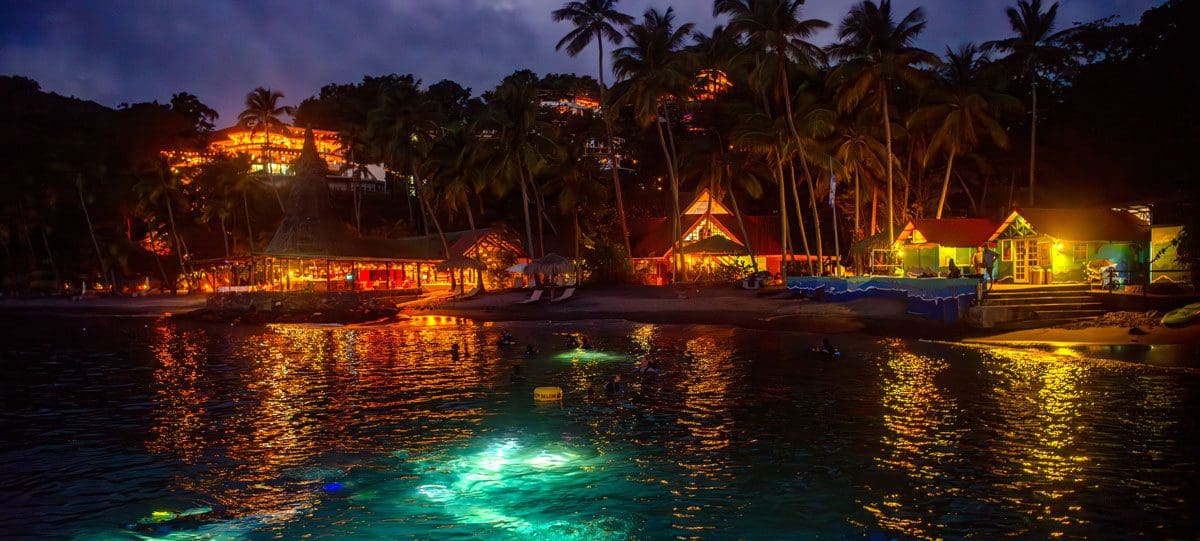
Imagine exploring vibrant reefs, encountering seahorses, and watching baby turtles hatch right on the beach. The dinner options let you indulge in world-class cuisine at four incredible restaurants. The options include Emeralds (a vegan restaurant), Balawoo (a treehouse restaurant with breathtaking views), the Jungle Grill, and Apsara Indian restaurant, all featuring Creole flavors and Caribbean cuisine.
 
Accommodations that are breathtaking
This resort wowed me from the moment I stepped into my room. The accommodations are breathtaking, with one- or two-bedroom options overlooking the magical Pitons with spectacular ocean views, or beachfront bungalows surrounded by lush gardens. Each room at this 4 Diamond resort is exquisitely decorated. The service is out of this world and exceeds expectations at every turn. St. Lucia delivers a constant stream of happy moments because the team goes above and beyond in everything they do.
 
The kids can make and decorate cupcakes with the head pastry chef, and do a chocolate tasting with the chocolatier! OMG, if you love chocolate, you have arrived in heaven. The chocolate lab, chocolate hands-and-feet massage, etc., are beyond enjoyable.
 
The diving is simply spectacular. From awesome wrecks and the local house reef to night dives exploring beautiful walls and vibrant soft-coral gardens, Scuba St. Lucia offers something for everyone. Oh, and you don’t need to touch your gear because this is 4 Diamond diving, and everything is done for you. It’s called Valet Diving. Then there is the Jazzy sunset cruise and live steel drum band, the karaoke and beach BBQ, and I can go on and on and on. This family week in St. Lucia is truly decadent. Every family member is pampered and spoiled, and the kids never want to leave!
 

Belize: Island Paradise and Marine Conservation

Blackbird Caye Resort in Belize, our newest gem (added in 2023), is a private island paradise. We’ve been taking families to Belize since 2011, but finding this perfect location, so close to incredible dive sites, was a game-changer. Imagine being just a 3-minute boat ride from the Witconcrete Wreck (you can even do it as a shore dive!) and only 6 minutes from the famous Elbow dive site! The Blue Hole, a must-do for any diver, is just an hour away.
 
My favorite here is the incredible number of eagle ray encounters, and another big favorite is the loggerhead turtles that aren’t shy! Others like to hunt lionfish or topside; my husband loves fly-fishing, while I enjoy dives with the kids. The boats are big, spacious, and comfy.
 
Do it the right way with eco-tourism
With its pristine white-sand beaches dotted with charming seaside bungalows, incredible diving, and a focus on marine conservation, Blackbird Caye has become a favorite! Thanks to owner Garen Simonyan’s passion for kids and the ocean, it’s a dream come true for eco-conscious families. Garen, a newer dad himself, has integrated educational experiences from the Turneffe Atoll Sustainability Association into the kids’ activities. The week also includes marine presentations and educational excursions. The food is delicious, and the family-style meals are made from scratch and served at the beach restaurant. The best sunsets are at the beach bar and pool, where you can reminisce about the day and rest up for the next day’s adventures. Belize offers so much for non-divers and divers alike. We can book pre- or post-trip excursions to the jungle or ruins.
 

Philippines: Cultural Immersion and Underwater Wonders

The Philippines holds a special place in my heart. From the moment I was greeted with a hug and a flower necklace at the Manila airport, I knew I was in for something special. After a quick flight to Dumaguete, we arrived in Dauin. This resort has 1-, 2-, and 3-bedroom units, black-sand beaches, multiple pools, and the most fantastic dive boats I have ever seen. They look like giant water spiders! These boats are made of bamboo, are large and spacious, and offer valet diving, which basically means you do nothing. We serve hot chocolate, coffee, tea, biscuits, and cookies after every dive, and the dive-to-guide ratio is 1:4. The Filipinos are so much fun and love kids, so you can be sure they’ll have more fun than you!
 
Whale sharks are here
We get to do a very special dive that not many in the world get: the Whale Sharks of Oslob, on our own private boat with our staff. We also offer a special Kids Sea Camp Whale Shark Day. It’s one of the few times I can guarantee you will dive or snorkel with a whale shark. It’s just a huge wow. I’ve experienced 5 at a time.
 
Then there is Apo Island, where the reefs are so beautiful I actually cried underwater. At 18, seeing reefs this healthy for the first time was overwhelming; I sat and ogled the beauty before me, something I’d never seen in real life before.
 
The Kids Sea Camp trip also includes a mountain school, village tour, Chocolate Hills, zip lining, and many top-side cultural activities. I have packed it with local culinary delights, music, and fun for the entire family.
 
I often create longer Philippines vacations with multiple locations. Since families travel so far, I want to maximize their stay with a few trip options. You can visit www.familydivers.com, click the Kids Sea Camp drop-down, and see which islands I have included for our Philippines trip. This year, I’ve arranged 6 nights at Pura Vida Homes with Sea Explorers and 6 nights at Amun Ini on Bohol Island. Both offer Whale shark opportunities, macro, and topside fun. From Amun Ini, families can see the world’s smallest monkey, the Tarsier—a cute little furry critter with eyes that look like large AI-generated orbs. For 2026, I’ll switch to Dauin and Cabilao; call me, and I will happily spend as much time as you want telling you about the Philippines. The rooms are beautiful and spacious, and each resort offers incredible cuisine.
 

Indonesia: Luxury Liveaboards and Unforgettable Experiences

For the ultimate dive adventure, Indonesia is a must. Our luxurious liveaboard trips aboard the Arenui offer unparalleled service, exquisite cuisine, and access to some of the world’s most pristine dive sites, including Komodo, Raja Ampat, and the Forgotten Islands. The Arenui is truly “perfection,” as described by one of our long-time clients, Marcio Curvelo. With its stunning hand-carved interiors, fine linens, and state-of-the-art dive equipment, it redefines luxury dive travel. We offer land excursions, diving, paddleboarding, kayaking, and pre- and post-Bali add-ons to create an unforgettable experience.
 

Why I Choose Each Destination

I hand-pick each Kids Sea Camp location with families in mind. We work closely with each resort and dive operator to create custom itineraries packed with unique activities, cultural experiences, and educational opportunities. We offer more destinations, each with its own appeal and unique experiences, creating a magical family diving experience that gives kids memories to last a lifetime.


I’m a Sheep Herder

Shaun the sheep, kids sea camp

Herding Sheep at Kids Sea Camp. “Shaun the Sheep”

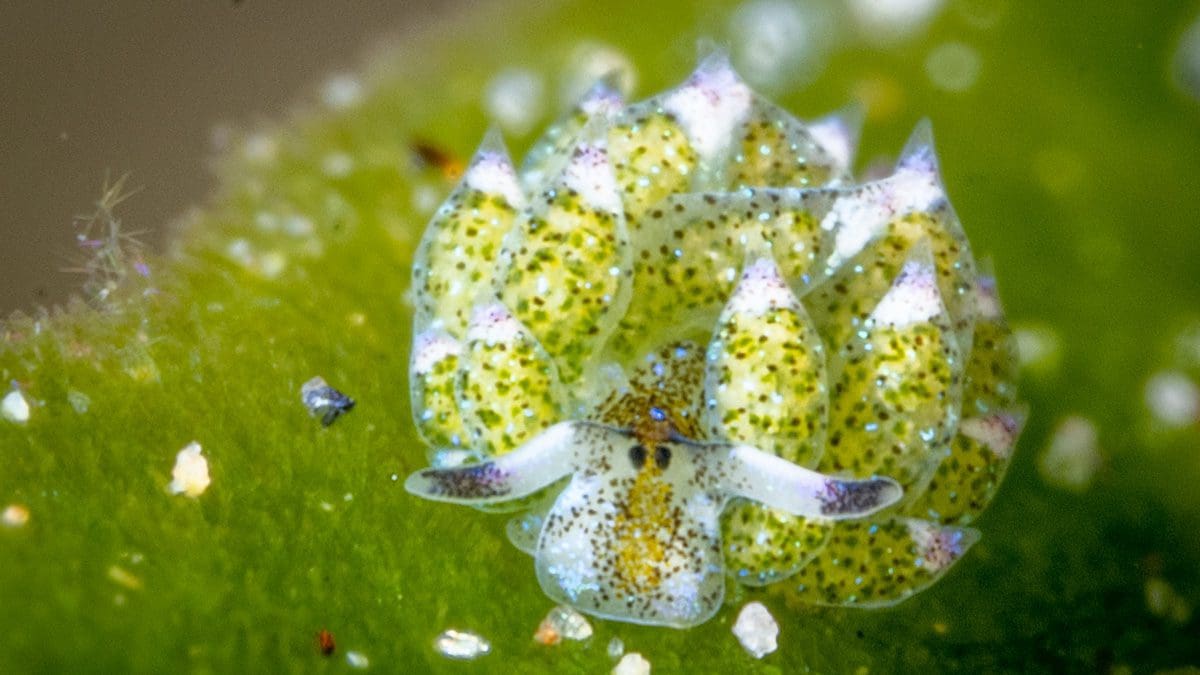
Shaun the sheep, kids sea camp, kids and divingI’ve been obsessed with photographing sheep since seeing Dr. Alex Mustard’s famous photograph. I booked my Kids Sea Camp Philippines trip with Margo and Tom Peyton in 2020. When I learned that “Shaun the Sheep” could easily be found on most dives, I was excited about shooting this little sea slug. The guides at Amunini are incredible, and you can find almost anything you ask for, including the sheep! (Shout out to Reggie and Dave.) Finding Shaun the Sheep underwater is fun, but capturing a photo of one of the critters you could imagine is quite the challenge.
They are among the most difficult to capture because they live on a single green leaf growing on the sandy bottom. Furthermore, they tend to blend in with their environment, namely, the leaf they’re trying to eat.

Be patience

On the first dive, Reggie, my guide from Amuni Ini Divers, was excited because he found me one. Reggie pointed to a leaf with a green blob. I thought to myself, “Is that it? That can’t be it?” But it was!

After several shots, I finally saw the creature when I zoomed in on the viewfinder. It was tiny, green, and cute. I kept taking photos, but it was time to move on. A few seahorses, pygmy squid, and nudibranchs were nearby; if I have to give one piece of advice, it is to have patience and more patience! You must stop and take a decent photo of a sheep.

I’m a sheep herder

Upon finding Shaun, I spent 30 minutes on one leaf on my second dive! Kim, my lovely dive buddy and wife, was gone when I looked up. She finally decided to join another group, leaving me with Dave, my excellent Amun ini guide. Finally, Dave wrote on his slate, “Have you had enough of Shaun the Sheep?” Onto the seahorses we went. In the end, I ended up with some excellent photos. Nothing like Alex’s masterpiece. But it’s a work in progress.

I look forward to our next trip to Lembeh in January with Margo and Tom, with Family Dive Adventures and Murex Divers. Just call me the Sheep Herder of Indonesia.

By Marcio Curvello


From Tech diver to Kids Sea Camp Believer

Tech Diver, Kids Sea Camp, Magic, kids and scuba

The Kids Sea Camp Magic, How it all began:

Written by Peter Kockisch, 2026

My superpower

When I was a child, I was completely fascinated by space. When anyone asked me what superpower I wanted, my answer would be “flying.” The thought of gliding weightlessly through space or simply lifting off the ground to visit faraway places on Earth fueled my imagination.

I was born in the former East Germany, in a tiny village with fewer than a hundred inhabitants, truly in the middle of nowhere. Growing up in such a quiet, rural place naturally connected me to animals and nature, but even then, I dreamed of exploring the world beyond those fields. I wanted to travel to see other continents and places that lay beyond the “wall.” In 1990, when I was six years old, East Germany underwent an unexpected transformation as it reunited with the West. At that age, I was far too young to grasp the significance of what was happening or to imagine the new opportunities this change would one day bring to me.

Learning to fly underwater

Fast forward fifteen years, and my passion for animals and nature had only grown stronger. It led me to work with elephants at one of Germany’s most renowned zoos, in Leipzig. In Germany, apprenticeships are highly regarded, lasting three years and combining hands-on practice with theoretical learning in school. After completing mine, I received a scholarship for further education that allowed me to fulfill a long-held dream- traveling farther than I had ever been. After my five-week internship in Thailand studying Asian elephants and the communities that lived alongside them, I seized the opportunity to fulfill another childhood dream: flying. I learned to fly underwater by completing my PADI Open Water Diver certification.

Hooked on underwater flight

On my way back to Germany, I couldn’t stop thinking about the incredible feeling of weightlessness and the deep connection I had experienced with water, nature, and wildlife. I was blown away. After a few years, that experience was still affecting me so much that I made the bold decision to quit my job working with elephants, after over a decade, to begin a new career as a dive instructor in Roatán, Honduras.

Meeting Margo

My new chapter began with Subway Watersports (now Turquoise Divers) at Turquoise Bay Dive & Beach Resort in Roatán. After the long slowdown during COVID in 2020, business was finally picking up again. It was around this time that I first heard about Kids Sea Camp and its founder, Margo Peyton. Daren, the dive shop manager at Subway Watersports, entrusted me with organizing the upcoming Kids Sea Camp event. At this time, he also gave me an unsettling warning about the owner, noting that she could be very particular about how things were done.

Kids Sea Camp Magic, kids and scuba, Kids Sea Camp

Tec-Divers often don’t enjoy the best reputation

Months later, after getting to know each other better, Margo and I looked back on the situation with a smile and some laughter, realizing that we had both entered the relationship with very mixed feelings. I had heard stories of Margo being rigorous and strict, which was intimidating, while she had heard that I was a Tec-Diver, which somewhat unsettled her. I have to admit that Tec-Divers often don’t enjoy the best reputation. They are sometimes seen as arrogant, self-focused, and ill-suited to working with children, largely because many have little interest in the work. So, it’s fair to say there wasn’t much enthusiasm on either side about me taking responsibility for the entire Kids Sea Camp week on the dive shop’s side, at least not until the week finally began.

Safety first, fun second

On the first day, I was nervous, mostly because of the heavy load of responsibility. I wasn’t the most experienced instructor at that time, and I would be working with so many children. Once I met the whole Kids Sea Camp team, all those worries disappeared, and I ended up loving every moment of the whole week. Margo and her husband, Tom, the company’s vice president, turned out to be some of the kindest people I had ever met, and they run a truly unique business model.

A clear vision for the company

However, they both have a very clear vision of how every program should be conducted, following their motto: safety first, fun second. Once I saw what a Kids Sea Camp week truly means, I fully understood why Margo sometimes has that reputation of being difficult and non-negotiable when it comes to child diver safety. Working with children in SCUBA is no joke, and it is a big responsibility that must be approached with the utmost detail and care. Margo has a flawless record and unmatched experience in the diving industry when it comes to teaching and diving with kids, and anyone who would even think to challenge that should not work with kids. From the moment the kids step into the water, every detail matters: supervision must be constant, instructor-to-student ratios kept low, and the course’s pace adjusted to each child’s needs.

Ratios matter when training kid divers

Margo provides detailed, clear information and instructions on ratios, depth, and level of care for students to all dive managers. Her standards are high because even the smallest mistake could have serious consequences. Even with all the responsibility, nothing compares to the joy of watching the children learn, grow, and experience the underwater world in a safe environment. Even more rewarding is watching their parents join them beneath the surface, sharing that magical world together as a family while creating memories that will last a lifetime.

At Kids Sea Camp, newly certified divers are supervised by their instructors for the full week, even after they complete their course. Parents are welcome to join and observe how instructors dive, communicate, and position themselves with the kids in the water, so they can learn and emulate these techniques. This helps parents improve their own dive skills so they can be good, safe dive buddies for their kids, making family dives fun and safe for all. 

Kids Sea Camp changed my life

Kids Sea Camp’s slogan promises, “Give them a week they will remember forever”, yet the magic extends far beyond the children. After my first week in Roatan, I was instantly captivated. Since then, I’ve joined Kids Sea Camp adventures across the globe, from the Cayman Islands and Belize to Bonaire and even as far away as Fiji.

Kids Sea Camp Magic, kids and scuba, Kids Sea CampOf all the experiences in recreational, technical, and cave diving I have had, my time working with Kids Sea Camp has been the most transformative for my approach to teaching. One unforgettable chapter that shaped my perspective and influenced both me and my teaching style was when Margo asked me to begin teaching Leo, an 8-year-old boy with autism. Before enrolling in his PADI Junior Open Water Diver course, Margo and I worked together for over 3 years doing the PADI Seal Team and PADI Bubblemaker programs with him at his own pace. Something that was really helpful for Leo was getting to do the PADI Seal Team program in the ocean, instead of just in the pool, as is traditionally done in the PADI Seal Team program.

KSC instructors are special

Kids Sea Camp Instructors receive special waivers from PADI to take PADI Seal Team students into the ocean under very specific conditions, allowing them to explore the underwater world as long as conditions remain safe and conducive to their learning. This created the perfect environment for Leo to become comfortable with diving before his PADI Open Water course. 

With Kids Sea Camp, the SASY and PADI Seal Team programs are fun and safe introductions to SCUBA for kids that are not quite old enough to get certified yet- starting at the age of 5. The PADI Seal Team program consists of skill-based “AquaMissions,” conducted in a confined environment, which helped to prepare Leo perfectly for his next adventure. What began as a lesson in basic diving skills for Leo quickly became a lesson in patience, empathy, and adaptability for me.

Waiting on Leo 

Once Leo was ready, both mentally and physically, to begin his PADI Jr. Open Water Diver course, we started, as always, with equipment setup. Within just a few minutes, Leo was ready to move on to something else, asking if we could go play at the beach instead. I realized I would need to take a completely different approach to teaching this course than I was accustomed to with adults. This involved lots of breaks and starting over, but on his timeline, not mine. When we entered the water, I was very impressed by how well Leo had retained all the skills he had learned in the PADI Seal Team program.

For the more advanced skills, I adjusted my methods by breaking each skill down into smaller steps, incorporating frequent underwater games (such as treasure hunts, rock-paper-scissors, or simply letting him enjoy zero gravity), and watching the marine life around us. Incorporating regular breaks to keep him engaged and hydrated was also key. 

Slowly and steadily is the way

We progressed slowly and steadily until we reached his biggest challenge: the fully flooded mask and the mask removal and replacement exercise. Common issues with this skill include accidentally inhaling through the nose or experiencing a burning sensation in the eyes from chlorine or saltwater. Leo struggled with the sensation and developed a mental and emotional block, which was not easy to overcome. The first time he failed the skill, we ascended together. When he became emotional, we went to play on the beach until he was ready to resume, as he requested. 

The second time we tried, he was already anticipating the sting of salt water in his eyes and worrying about his nose. This resulted in this mental block growing, leading him to believe that he could not succeed, which made him want to quit entirely. It was heartbreaking to see him struggle so intensely over these skills. I realized my adaptive teaching methods would require some help from his parents, plus some more fine-tuning on my part. 

Kids Sea Camp Magic, kids and scuba, Kids Sea Camp

It takes a village

We had a whole week of 1-on-1, which gave us lots of time to overcome these hurdles. By using some of the tips I received from both Leo’s mother and Margo, I quickly gained his trust and friendship. Throughout the week, we continued with more underwater games and reviewing easy skills he had already mastered to build his confidence each day. This helped to end each training session on a successful note. I worked on breaking the skills down into smaller components, practicing mask clearing and removal slowly on the surface before gradually moving deeper. With patience, encouragement, and plenty of positive reinforcement, Leo gradually gained confidence and ultimately performed the skills flawlessly. He was so excited that he wanted to try it again, immediately exuding pride and joy in his accomplishments. 

Stay Positive

As an instructor of children, it can be challenging to decide the best way to teach a specific skill to achieve a positive, happy outcome with kids. We want children to feel safe, trust us, and maximize their enjoyment and sense of accomplishment every step of the way, which looks a little different for each child.

Sometimes this means slowing down the course flow and providing 1-on-1 attention. With Leo, I wanted to build his confidence and have him perform the skills reliably and comfortably. After working patiently with him over several trips on these skills, his confidence improved, and he was excited to continue his training. He just required a little extra guidance and encouragement.

Shouting for joy

I will never forget the moment he completed his confined-water dives. We looked at each other, shouting with joy through our ScubaPro regulators, and he gave me a big underwater hug. Even now, looking back on this moment brings me pure joy. After this, we faced further challenges at sea, which Leo successfully overcame thanks to the trust we had built between us. Ultimately, I was confidently able to certify Leo as a Junior Scuba Diver. His family and I, as well as Margo & Tom, were immensely proud of these achievements, especially given that at times it seemed uncertain whether he could meet all the performance requirements.

With the full support of Kids Sea Camp and his parents, Leo continued diving with me on several Kids Sea Camp trips as a PADI Junior Scuba Diver. With time and maturity, Leo gradually gained more confidence and ability until he was able to complete the rest of the PADI Junior Open Water course and upgrade his rating at the age of 12.

Empathy and Understanding are keys

This experience showed me the power and importance of patience, flexibility, empathy, and understanding. It taught me that effective teaching isn’t solely about technical proficiency. With children and diving, it’s about fostering trust, patience, and emotional safety, enabling every diver to discover their own potential, which goes beyond the surface. I have since encountered many similar cases in which adult students were on the verge of giving up.

Adult students need patience to

By remembering Leo and applying similar strategies I learned with him, I was able to continue their training and guide them to become confident, happy divers who were grateful that I had not given up on them. In the end, I feel deeply grateful to Leo, who showed me that patience, trust, adaptive techniques, and persistence are powerful tools for achieving seemingly impossible goals. Working with incredible students like Leo has shown me that safety is at the heart of every adventure, creating an environment where children can safely learn and enjoy their time in the water.

My Kids Sea Camp journey never ends

My journey with Kids Sea Camp began as a new PADI Open Water Scuba Instructor, eager to find my place in the dive industry. After being captivated by the “Kids Sea Camp magic,” my connection quickly deepened. Over time, this connection extended beyond travel, leading me to assist in the office and become part of the dedicated team that brings these unforgettable experiences to life.

Margo and Tom are inspiring

Along the way, after sharing many memorable experiences with Kids Sea Camp, my relationship with Margo and Tom has grown beyond a purely professional one, evolving into a genuine friendship in which we share personal experiences and visits beyond business gatherings. I am deeply grateful to Kids Sea Camp, and to both of them, for inspiring my professional growth, nurturing my love for teaching, and showing me just how transformative these underwater experiences can be for the children, their parents, and everyone who guides them.

As a little kid fascinated by space, I’ve always dreamed of flying while exploring faraway places. Working with Kids Sea Camp and flying over the ocean alongside young explorers lets me live that dream in a way I could never have imagined. 

It’s about family bonding, shared experiences

ST. LUCIA, KIDS SEA CAMP, SCUBA AND KIDS, night diving, Family Scuba Diving Vacations, Family Dive Adventures, Scuba Diving, Kids and scuba

Kids Sea Camp changed my life

Hello, I’m Charlie. I just wanted to share with you why Kids Sea Camp has been so important to my family and me. My mom signed my brother Gus and me up for our first family dive vacation with Kids Sea Camp when I was 12, and Gus was 11. Since then, there have been many; I had no idea how much those trips would shape my life, not just as a diver, but as a person.

From a kid to an adult diver

Over the past nearly 14 years, I’ve been fortunate enough to travel with Margo and Tom. Their Kids Sea Camp dive team travels to destinations such as St. Lucia, Honduras, the Cayman Islands, and Belize. What began as a kid learning to scuba dive turned into a journey of growth, confidence, and family connection. These dive adventures have stayed with me into adulthood.

As a now 23-year-old looking back, it’s almost surreal to see how much I’ve grown while still feeling the same excitement and joy every time I return to a Kids Sea Camp family dive vacation. I remember standing in front of all the families for my first closing, nervously reciting a poem I wrote about diving just to win one of the really cool prizes given to anyone who read their poem at the end of the trip. Fast forward more than a decade, and I found myself in Belize watching my younger cousins do the exact same thing, experiencing that same joy, confidence, and sense of belonging that I felt all those years ago.

More than diving, it’s family bonding

Kids Sea Camp has always meant more to me than diving ever did. It’s about family bonding, shared experiences, and learning together. Some of my family’s most meaningful memories, photos, and stories come directly from these trips. Because of Kids Sea Camp, our family didn’t just learn to dive, we grew into confident, capable divers together, thanks to truly world-class training in an environment built on safety, encouragement, and fun.

One of the most meaningful parts of that journey has been watching my mom overcome her fear of diving. Early on, diving was extremely intimidating for her; she was filled with anxiety just thinking about going underwater. Margo, at Kids Sea Camp, created a space where she could learn at her own pace, feel supported by her private instructor, and slowly build confidence alongside us.

Over time, that fear turned into comfort and confidence. Eventually, diving turned into genuine enjoyment for her. Being able to share dives with my mom, who is calm on the boat, and being with her underwater has become one of the most special parts of these trips for me. Seeing her grow to enjoy and love diving with our family is something I’ll always be grateful for, and it’s a reminder of how Kids Sea Camp brings families together in a way that lasts far beyond the week itself.

Charlie Mosley, 2026

A Parent’s Guide to Safe Family Diving Adventures 

Belize, kids and scuba diving, Group Dive, Family Dive Adventures, Scuba Diving, Kids Sea Camp, Kids and scuba

Is Scuba Diving Safe for Kids? Yes — we do it right

By Margo Peyton, PADI Instructor #57474, President, Kids Sea Camp Inc.

As a parent, introducing your child to scuba diving can be both thrilling and nerve-wracking. You’ve likely heard stories of underwater wonders—vibrant coral reefs teeming with colorful fish, the serenity of gliding through crystal-clear waters, and the unbreakable family bonds formed through shared adventures. But in the back of your mind, safety questions linger: Is scuba diving truly safe for kids? What if something goes wrong? How do I choose the right Operator and program to ensure my child’s first dive is magical and safe?

I’m Margo Peyton, founder of Kids Sea Camp and a PADI MSDT Instructor with over 36 years in the dive industry, including 26 years dedicated to youth training and diving. With a flawless safety record and contributions to over 8,100 youth certifications, I’ve made it my mission to prove that yes, scuba diving can be incredibly safe for kids—when done right.

At Kids Sea Camp, safety isn’t just a priority; it’s our foundation. We’ve pioneered child-safe diving programs that treat kids like the precious explorers they are, not just smaller versions of adults. In this blog post, I’ll share expert insights on dive safety for children, key questions to ask as a parent, and why Kids Sea Camp stands out as one of the world’s premier family diving destinations. Whether your little one is eager to follow in your fins or you’re all discovering the ocean together, let’s dive in (pun intended) to make informed, confident choices.

Understanding the Safety of Scuba Diving for Kids

First things first: Scuba diving is safe for kids, but it requires a specialized approach. Think of it similarly to skiing—kids don’t start on black diamond runs; they begin on the bunny slope with patient instructors, proper gear, and close supervision. The scuba industry operates similarly, with certifying agencies like PADI setting age-appropriate standards: Introductory programs like Bubblemaker start at age 8 in shallow, controlled, confined waters, while Junior Open Water certification is available from age 10, with depth limits of 40 feet for 10-11-year-olds and 60 feet for 12-14-year-olds. These guidelines ensure progressive learning, but the real key to safety lies in how they’re implemented.
For the youngest divers, PADI’s Bubblemaker program lets kids as young as 8 experience scuba in up to 6 feet of water with an instructor, often in confined-water conditions that mimic a pool—calm, protected areas with no currents or waves. We maintain a strict 1:2 ratio to ensure undivided attention.

Similarly, the PADI Seal Team program for ages 8 and 9 focuses on fun AquaMissions in confined water up to 12 feet deep, building skills through games and themes. Again, 1:2 ratios are key for safety and engagement.
At Kids Sea Camp, our instructor teams apply for a special waiver with PADI and permission to take Seal Team kids into carefully selected ocean locations worldwide that replicate confined water—sites submitted for strict approval to guarantee safety while adding a touch of real-world excitement. Kids Sea Camp has been teaching the PADI Seal Team since 2007.

I emphasize: Kids are not mini-adults

They get cold faster, tire quicker, and may internalize fears differently. They need hand-holding (literally and figuratively), nurturing, and 100% undivided attention. At Kids Sea Camp, we’ve built our programs around this reality: stricter ratios (1:1 or 1:2) than agency minimums, meticulous medical history verification, and a team trained to read subtle cues—even underwater—like a child’s eyes signaling excitement or distress behind a mask.

My flawless 25-year record isn’t luck; it’s the result of unwavering commitment. Parents often tell me their non-diving spouses (especially moms) join in after seeing how fun and relaxing it can be, turning diving into an actual family activity.

Key Differences in Teaching Kids vs. Adults: What Parents Need to Know

One of the biggest misconceptions is that teaching kids to dive is just a scaled-down version of adult courses. Not so. Adults might grasp concepts quickly and push through challenges, but kids require patience, repetition, and fun. They thrive on games—turning buoyancy drills into “hover like a spaceship”—and need breaks for snacks, shade, and reassurance. Emotional support is crucial: Wipe tears after a tough skill, calm fears with stories of your own beginner days, and always ask, “How are you feeling? Ready for more?”

Physically, kids’ smaller bodies mean gear must fit perfectly to prevent slips or chills. Mentally, they might feel pressure to impress parents, so we emphasize a no-rush progression. Instructors must be kid-savvy: Not every great dive instructor makes a great youth instructor. Look for those with experience in nurturing and mentoring kids. Our team at Kids Sea Camp is highly trained, with many members who are parents themselves or have extensive youth backgrounds. We verify ages with IDs, confirm enthusiasm directly with the children, and discuss any paperwork discrepancies. PADI ratios are guidelines; we are a bit more conservative—1:2 for under-12s, 1:4 for certified teens—because safety matters.

  • Parents, empower yourselves by asking the right questions before enrolling:
  • What are your instructor-to-child ratios, and how do you adjust for special needs?
  • How do you screen instructors for youth experience?
  • What’s your emergency protocol, and are all staff current on rescue training?
  • Can I observe a session and see reviews?
  • How do you handle fears, fatigue, or medical concerns?
  • Safe places prioritize these and avoid overcrowded classes or rushed training. Instructors should have plenty of experience teaching kids.

Why Kids Sea Camp is the Platinum Standard for Family Dive Safety

At Kids Sea Camp, we’ve pioneered the “bunny slope” for the diving industry—a gentle, family-focused introduction that has welcomed generations of divers. Our inclusive family dive vacations combine education, adventure, and relaxation at PADI-dedicated resorts worldwide.

Safety is non-negotiable

Our dive team is among the world’s best for kid-friendly expertise, with rigorous training in youth dive education. We maintain an impeccable record by fostering a culture where instructors treat kids like family—nurturing wonder while staying vigilant. We partner only with operators who share our ethos, ensuring family-friendly environments with dedicated kids’ and family programs, and top-tier safety standards. 

Here are some highlights

  • Sea Explorers in the Philippines: Known for biodiverse sites like Dumaguete, they offer shallow, protected reefs ideal for beginners. Their family-oriented setup includes kid-specific gear and eco-education, aligning perfectly with our safety-first trips.
  • Buddy Dive in Bonaire: This Caribbean gem has hosted Kids Sea Camp events for 15 years, featuring The Buddy Dive Academy and an outstanding local dive team. Easy shore dives, calm conditions, and a complete program of educational activities. Bonaire’s marine park status ensures pristine, safe waters, and Buddy’s staff excels at family integration.
  • Blackbird Caye in Belize: Off the Belize Barrier Reef, this family-owned, kid-friendly resort offers secluded, shallow dives teeming with marine life. Their focus on small groups and personalized attention makes it a haven for Kids Sea Camp, emphasizing conservation alongside fun.
  • Murex Dive Resorts in Indonesia: In North Sulawesi’s Bunaken and Bangka, Murex offers vibrant muck diving and reefs in protected areas. Their family packages include marine education and a family-friendly dive team, ensuring parents can relax while kids learn safely.
  • Reef Divers in the Cayman Islands: Grand Cayman’s world-class sites like Stingray City are perfect for families, with Reef Divers’ valet service and shallow profiles minimizing risks. Their emphasis on ease and amenities makes it a top pick for multi-generational trips.
  • Scuba St. Lucia: In the Eastern Caribbean, this operator’s calm bays and family-focused dives complement our programs, featuring strong safety protocols and engaging marine biology sessions for kids.
  • Arenui Liveaboard: For adventurous families, this luxury Indonesian vessel explores Komodo and Raja Ampat, offering spacious cabins and child-friendly itineraries that blend education with exploration.
  • Explorer Ventures Fleet: Their Caribbean and Indo-Pacific liveaboards offer flexible, family-tailored voyages with dedicated youth coordinators, ensuring safe, enriching dives in remote paradises. This operator offers additional staff in the water for families.

We handpick these partners for their commitment to safety, family amenities, and alignment with PADI standards. Together, we create vacations where kids certify (or just snorkel), parents recharge, and everyone bonds over ocean wonders.

Practical Tips for Parents: Ensuring a Safe Dive Experience

  • Start Slow: Begin with pool sessions or introductory programs like Bubblemaker, Seal Team, or PADI Jr. Diver courses to gauge interest and continue education without pressure.
  • Gear Up Right: Insist on good-fitting scuba gear for your child. BCD, Regulator, Computer, Fins, Mask, and Snorkels. Kids Sea Camp can help you outfit your kids for diving. We specialize in child-specific scuba equipment—snug wetsuits, lightweight tanks—and test fits beforehand.
  • Choose proven quality Programs: I chose PADI because I’ve been a PADI diver for over 36 years; I know quality and safety come with the PADI Brand. You can research other agencies with youth endorsements.
  • Engage as a Family: Parents should take a refresher or Reactivate class if it’s been more than 2 years since their last dive or when their kids are getting certified. I would also consider taking AOW or even rescue for parents of young divers. You can consider Junior Rescue together for kids 12+ to build buddy skills.

Kids Scuba programs safety must comes first

Kids dive training, Kids Sea Camp

Tips for Dive Shop Owners: Training Your Staff to Safely and Effectively Teach Kids to Dive

By Margo Peyton, PADI Instructor #57474, President, Kids Sea Camp Inc.

As dive shop owners and managers, if you’re looking to expand your offerings with kids’ scuba diving programs, you’re tapping into a vibrant market that can build lifelong customers and strengthen family bonds in your community. With 36 years in the dive industry, traveling and diving, and 25 years specializing in youth diving through Kids Sea Camp, where I’ve contributed to over 8,100 youth certifications, I’ll share practical tips for training your staff for this rewarding endeavor.

Teaching kids to dive isn’t just about adding a new revenue stream—it’s about creating safe, engaging experiences that nurture the next generation of divers while keeping safety front and center. I love teaching kids, and this passion is essential if you want your instructors to work effectively with youth.

25 Years of Experience

My experience has taught me that if you want to build an instructor training team for teaching kids, they need that desire and hands-on experience with children. Children are the heartbeat of our diving industry, full of wonder and excitement; it is our privilege to introduce them to diving with confident, experienced, and well-trained instructors in a safe setting with strict ratios. They are naturally little explorers who want to learn and become part of their family’s diving community. Many kids listen to their parents’ adventures and look forward to the day they are old enough to join those adventures. Some kids arrive nervous or even a little scared, not wanting to let their family members down, and they can sometimes put pressure on themselves to perform for their parents rather than for their own enjoyment. As a mother of two, I made it a priority not to add any extra pressure, and I’ve spent the last 25 years with children in the ocean—it’s been humbling, inspiring, and a dream job.

For dive shop owners training staff to run youth programs, start with the basics: Kids aren’t the same as adults. Train your instructors to use a 1:2 or 1:1 ratio—one instructor to two kids or one to one—based on the child’s age, the instructor’s experience, and the student’s mental and physical health. For special-needs kids, it’s always 1:1. These ratios aren’t arbitrary; they allow the close supervision needed to catch subtle cues and ensure every child feels supported. Emphasize in your training that agency guidelines like PADI’s are minimums — encourage your staff to be more conservative when conditions or instincts dictate.

Safety must be the cornerstone of your youth programs—no compromises, ever. Train your staff to verify that kids have properly fitting gear, are comfortable and ready, and that instructors are fully prepared, too. Safety means reviewing every sign of a student’s physical and mental readiness, checking medical conditions and ensuring you’re working with a bright-eyed, eager-to-learn child. Sessions should occur in controlled environments: a clean, spacious pool for confined-water skills and calm oceans with over 40 feet of visibility for open-water skills.

Train your staff differently

Teach your instructors that these are little people requiring hand-holding, nurturing, and 100% attention. Hand-holding can be literal during initial descents or buoyancy practice, providing physical reassurance, but it’s also about emotional guidance—listening to fears, offering encouragement, and building trust. Nurturing involves creating a judgment-free space where kids can voice concerns, turning potential setbacks into growth opportunities. Give them a wonderful first experience that makes them feel comfortable and aware of the trust they’re placing in their instructor.

For me, I take seriously the possibility of shaping a life path—many of my students have become Divemasters, instructors, or pursued careers in marine science. As a mom, when parents entrust their kids to me, I treat each like my own, and I recommend instilling this mindset in your staff to heighten their vigilance.

Not all instructors are suited to kids, so during training assess for key traits: patience with repetitive questions (kids love to ask “why” endlessly), a gentleness beyond adult teaching, and kindness that slows everything down. Make learning fun—turn skills into games, hold hands through anxieties, wipe tears after challenging moments, calm fears with stories, and always make them feel heard. Know when to call a dive if something feels off. As a mom, I can tell — even with a regulator in their mouth and a mask on — if a child is smiling, happy, sad, or frightened—train your staff to read these underwater cues through their eyes and body language. Never push beyond readiness; kids get cold, tired, and hungry faster, so mandate shade, breaks, snacks, and hydration in your protocols.

When I started 25 years ago, safe, kid-friendly programs were scarce, so I created Kids Sea Camp as a “bunny slope” for gentle introductions. For your shop, this could mean designing progressive courses that ease kids in, sparking interest in non-diving parents—especially moms who feel intimidated by the “dive ninja” style but see family fun through their children’s success. Train staff to assess students like dive conditions: Ask “How are you feeling today? Excited to dive?” before and after sessions, and check readiness for each skill. For fears like mask removal (scary for kids and adults), offer tips: Practice snorkel breathing in the pool without a mask. Slow pace is key—make it fun and engaging through repetition and praise.

Engage Parents in Your Programs

Many are seasoned divers but unfamiliar with supervising kids underwater. Recommend refreshers or Reactivation courses to update skills and signals. Suggest family AOW or Rescue Diver—kids can start Junior Rescue at 12 with Junior AOW. I’ve trained hundreds; it builds confident family buddies. Review standards with parents: 40 ft limit for 10-11-year-olds, 60 ft for 12-14-year-olds.My personal rule at Kids Sea Camp: Confirm ages with IDs, not just applications; ask kids directly if they’re excited, feeling well, and not recently sick. Speak up about discrepancies—I’ve spotted paperwork mismatches countless times. Agency ratios are guidelines; be conservative—I’m comfortable with 1:2 for under-12s and 1:4 for experienced teens. Train staff to call dives, halt classes, or decline students if they’re uncomfortable or if maturity is lacking—I’ve advised many parents to wait a year, gently explaining that rushing could diminish the joy and safety of the experience. By training your staff this way, dive shops can create heartwarming family programs that foster a strong community and drive repeat business through trust, bonds, and a safety-first approach. Follow rules with good judgment, stay focused without distractions, check waivers/forms, vigilantly ask probing questions, and treat all kids like your own. This expertise-driven approach not only ensures safety but cultivates passionate divers, securing your shop’s future.

Kids aren’t just smaller adults; they need specialized care, stricter instructor-to-student ratios (like your 1:1 or 1:2 emphasis), nurturing instructors who excel with youth, and programs that prioritize long-term passion over short-term profits. Parents deserve reliable guidance on what to expect, questions to ask (e.g., about instructor experience with kids, emergency protocols, and gear fitting.

Margo Peyton is the founder and President of Kids Sea Camp Inc., and in the Women Divers Hall of Fame, International Scuba Divers Hall of Fame, PADI Ambassadiver, and PADI Elite MSDT instructor, the DEMA Hall of Fame/Reaching Out Award. Plus numerous other awards.

I could be a parent and diver at KSC

Mom and daughter divers, Bonaire, Kids Sea Camp

Kids Sea Camp is a dream come true

Like many divers, my dive adventures paused once I had kids. I didn’t realize I could be a parent and go diving until I learned about Kids Sea Camp. The entire trip itinerary focused on fun and learning for the children. Meanwhile, the parents were out exploring the ocean. When I learned my 10-year-old daughter could also get Junior Open Water certified and become my dive buddy, it was like a dream come true.

As luck would have it, Kids Sea Camp was celebrating its 25th anniversary at Buddy Dive Camp. The resort itself was also celebrating its 45th anniversary in Bonaire this August 2025. My daughter and I embarked on the ultimate mother-daughter adventure.

ATHENA DIVES IN

We landed on a Caribbean island located about 50 miles off the coast of Venezuela. Athena and I were excited to explore the gemstone-blue ocean. I knew this time together, just the two of us, was a tremendous gift. We didn’t yet know that Kids Sea Camp wasn’t just a dive vacation; it was a supportive community. The whole itinerary was intentionally crafted for connection.

It was apparent from the opening dinner at Blennie’s restaurant, where we were introduced to th, Woody (a police officer from Connecticut who was also a dive instructor), and later, to the hilarious M.C. Woody (a police officer from Connecticut who was also a dive instructor), and we later learned at karaoke night, a talented opera singer. As we settled into our chairs, unsure what to expect, Woody passed around a mic and had all the families share “two truths and a lie” about themselves, and the rest of us had to guess the lie. It was an entertaining way to get to know our fellow travelers from the moment we arrived.

The mic was passed to us, and I recognized Athena’s nervousness, mixed with excitement, as she stepped up to speak. She sat back down, smiling proudly as the guests clapped encouragingly. It was the first of many moments at Kids Sea Camp when we stretched ourselves, and getting out of our comfort zones helped us feel more connected to ourselves and each other.

More than diving

What a sunset sail. A brave act for me was hopping on a swing without a belt and pushing off over the open water. And where Athena joined the rest of the kids at the end to jump off and swim back to shore (it’s a KSC tradition). We learned to ride a blow-kart (like a go-kart but with sails added, so it is purely wind-powered). The poetry contest where Athena wrote and then performed her poem. Kids Sea Camp karaoke! I didn’t want to be my thing, but I did it anyway when my new friend Jessica. She asked me to join her to sing “I Will Survive” because I couldn’t leave her hanging. I’ll admit, it was kind of fun, even though I was terrible. Tom came up to me afterward with a big grin and said, “See, it’s not just about diving.” He was right.

A business built on friendships

One of the best parts of Kids Sea Camp is the friendships made. Margo and Tom set the tone by building the company around relationships. For example, they’ve been coming to Buddy Dive Camp for 20 years because of their longstanding friendship with the Dutch owners, Paul and Michelle, who also have young children who now dive. The KSC staff are largely friends and family, such as Woody, the dive instructor, and Bigs, one of our photographers in Bonaire, who also hosts KSC at her dive resort in the Philippines.

Athena quickly made friends with another 10-year-old girl in her Junior Open Water course, Hadley, who was on her second KSC. Beyond being dive buddies, they planned to meet for dinner and at the pool after PADI instruction and before the trip ended. We even planned to meet Hadley’s parents, Jessica and Bryan, at another Kids Sea Camp in 2026.

The KSC bubble

Our cell phones and iPads languished because we were so immersed in the world that Kids Sea Camp created. A world of exploring nature, stretching ourselves, playing, learning, and making real connections. Honestly, it felt like a bubble from the outside world, where living an online life, cruelty, and polarization seemed normalized.

It was a glimpse into what is possible, the kind of world we might create if only we put more intention into connecting, more focus on being curious about the world and each other, and make it a point to give back where we can (KSC gives dive scholarships and grants through Ocean Wishes, which Margo co-founded).

We made it to the end of the week, and I got to join Athena on her first open water dive after days of instruction. She squeezed my hand underwater and then swam over to give her dive buddy, Hadley, the “OK” sign to let her know she was there.

Becoming a dive buddy

My chest tightened. I realized it’s a balance between being hands-on and giving someone room to grow, stretching their limits without going too far, to build a girl who wasn’t so little anymore. As a mother, I realized it’s a balance between being hands-on and giving someone room to grow, stretching their limits without going too far, so they can gain confidence and discover their potential. It struck me that Kids Sea Camp had so much mothering energy baked into it. I saw it in so many ways.

Take, for example, Margo, a Woman Diver Hall of Famer who received the PADI lifetime achievement award for dive education for kids, who seemed to have energy for everyone, especially when they are in the water. Her vigilant watch over the guests (kids and adults alike), checking gauges and gesturing for us to see the underwater creature she had discovered, was unwavering.

Or when my dive buddy C.P., a trailblazer who became the first woman publisher of a dive magazine in the 80s, shared her best dive tips with me and brought me her extra dive skins because she knew I got cold the day before. I saw it in big ways. Like when Tom and Margo shared their partnership with the Reef Restoration Program to help restore the coral. Kids Sea Camp is all about care.

That’s precisely the kind of energy the world needs right now.

Lost in my thoughts, I felt a hand on my arm. It was Athena, giving me the “OK” signal to check in. I flashed her a smile, gave her an “OK,” and gestured toward the surface.  It was time for us to go back up.

By Holly Corbett

Decades of diving with Kids Sea Camp

Kids Sea Camp, Scuba and kids

REFLECTIONS ON KIDS SEA CAMP’S 25TH ANNIVERSARY

When you’re invited to an anniversary celebration, you expect shared memories, jokes, and raised glasses. I wasn’t prepared, however, for just how nostalgic I would become. Or for how much I’d want to reminisce with anyone. Anyone who would listen about the years that became decades spent on the Kids Sea Camp journey.

Buddies with Buddy Dive

Since we were also celebrating the partnership with Buddy Dive Resort in Bonaire, I found myself retelling the story of the delightful and decisive dinner we had with owner and patriarch Martien van der Valk 20 years earlier. There, Margo shared her vision, and he embraced it wholeheartedly (good wine was involved). The concept of a Kids Sea Camp centers on diving experiences for the whole family. The idea was far from a “no-brainer” then. It wasn’t long before women found their place in diving, let alone children! And as much as everyone talked about growing scuba diving, adding women and children to the plan was a big leap of faith for most. (See KSC calendar of events)

It wasn’t until the 1980s that we moved from NAVY Dive table calculations to dive computers, from “horse collar” BCs to BCDs, and from basic black to colored dive equipment and wetsuits. Underwater cameras were large, and strobe lights were larger. And you had 36 opportunities to get the shot with one roll of Kodak film. Dive operations were just beginning to partner with resorts to offer dive travel opportunities with more creature comforts than divers were accustomed to locally. This transformative time for diving happened primarily face-to-face, over landlines, and with 800 numbers (online searches and bookings, social media, WhatsApp, and Zoom were Many years away). (See KSC gallery)

Martien van der Valk sees the vision

But forward-thinking entrepreneurs like Martien and his family understood the vision. It helped that we all had young children. We were in the dive travel industry and wanted to share what we loved with them. Were there other parents who wanted to continue diving and traveling but didn’t want to leave their kids behind? Would they be interested in “giving them a week they would remember forever”? Well, it turns out, yes, there were, and yes, they would!

PADI also saw the potential and began offering more age-appropriate kids’ dive courses and certifications focused on safety, learning, and fun. The kids were our real-life, real-time market research. So, on the very first Kids Sea Camp dinner, when they formed their own kids’ table, when they sprang out of bed early every morning, when they kept in touch with their new friends, and when they told their parents where they wanted to meet up the following summer, Margo knew she was on to something!

Time in the bottle

Inspired by the old Jim Croce song about saving time in a bottle, I titled one of my early articles accordingly. I knew the moments were precious. I knew that the days were long, but the years would fly by. And my six-year-old daughter somehow became a 32-year-old mother of three today. I honestly cannot wait for them to enjoy these foundational experiences, too, and for them to become an integral part of who they are.

It’s not just the underwater adventures that open their little minds up to a whole new world. It’s getting out of their neighborhood bubbles and meeting families from different worlds who share a global humanity. Their love for our water planet that they may not find among their friends at home. I am blown away by the stories of how Kids Sea Camp has become a life-changing experience for other kids.

From 7 kids the first year to over 8,100 kids certified by the 25th year. You can only imagine the ripple effects felt in every corner of the world. Over 50 of these kids have become PADI divemasters, 30 dive instructors, and counting. These KSC alumni will be training the next generation of divers for decades to come. Margo has also been a consistent mentoring presence in too many young lives to mention. I am particularly inspired by the number of young adults she engages in various roles over dozens of weeks each year, as interns, instructors, and contributors in their particular areas of expertise.

Tom sees the larger picture

Each one has carved out a special place in the Kids Sea Camp Family, which also features VP and founder of Ocean Wishes, a 501(c)(3), and husband Tom Peyton. Tom never lets us lose sight of the big picture, even in the little moments. Especially when leading karaoke nights or afternoon volleyball challenges. Son Robbie has risen through the KSC ranks to become a PADI OWSI, MSDT instructor, and technical diver. He’s been involved in sales and training at KSC for years. But to me, he’ll always be Young Robbie. He shows his friends how you can be just as fun-loving and safe underwater as you are on land.

I so enjoyed this special week, when Martien’s granddaughter Noortje pursued advanced certification, and Granddaughter Pleun began her PADI Jr. Open Water course. 100 attendees enjoyed their 1st, 10th, or 20th Kids Sea Camp adventure during one of two back-to-back weeks. I was particularly taken with a 10-year-old girl named Athena. She was so enthusiastic about earning her PADI Jr. Open Water certification during her first Kids Sea Camp. A mother/daughter trip that I knew would be a special “time in a bottle” moment for her diving/journalist mom, Holly. So here I was, a Gramma, with over 40 years of diving under my belt. I was bonding with a pearl of a girl—the whole world her oyster.  I couldn’t help but wonder what she might say about Kids Sea Camp on its 50th Anniversary!

By Carolyn Pascal

Visit kidsseacamp.com for more information or click on the link to Athena’s beautiful story, “Becoming a diver.”

If I Had A Boat

If I had a boat

I’d host the Kids Sea Camp

And if I host Kids Sea Camp

I’d show ’em how I’d float

And we could all be together

Go out on the ocean

I said me and Kids Sea Camp on my boat

And if I were Luigi

I’d own the Arenui

I’d have all the nicest wood without fail

Oh, it’s just be Mei and me.

We’d ride through Indonesia

We bought a boat, and on the sea we’d sail.

And if I had a boat

I’d host the Kids Sea Camp

And if I host Kids Sea Camp

I’d show ’em how I’d float

And we could all be together

Go out on the ocean

I said me and Kids Sea Camp on my boat

Well, our Italian host was smart

He got himself a Dino

‘Cause Dino did the dirty work for free

But Dino was smarter

One day, someone said, “Boss man, sir!”

“Kiss my ass, I bought a boat, I’m going out to sea.”

And if I had a boat

I’d host the Kids Sea Camp

And if I host Kids Sea Camp

I’d show ’em how I’d float

And we could all be together

Go out on the ocean

I said me and Kids Sea Camp on my boat

And if I were like Tom and Margo

We’d live for the ocean breeze

We’d go and dive wherever we pleased

And we’d teach kids in Bonaire

And we’d teach ’em in Belize

And kids everywhere would learn to dive with ease

And if I had a boat

I’d host the Kids Sea Camp

And if I host Kids Sea Camp

I’d show ’em how I’d float

And we could all be together

Go out on the ocean

I said me and Kids Sea Camp

by Brian Dewan (sung to the melody of the Lyle Lovett song…apologies, Lyle!)

Planting the seed of our youth divers

Kids and diving, scuba and kids, margo Peyton

Margo’s journey is as deep as the ocean

By Carolyn Pascal

Margo’s journey began with a simple seed planted by her father. She grew up exploring the waters off Cape Cod, Massachusetts. From her father’s fishing boat, she learned how to swim and befriend marine life much larger than herself, nurturing her love for the ocean. Margo’s passion for travel flourished, leading her to live in Grand Cayman for several years.

Kids Scuba, Family Scuba Diving Adventures, Kids Sea Camp, Margo Peyton Hall Of Fame

As a single mom working in the travel industry, she was determined not to leave her kids behind while continuing to explore the world above and below water. “There must be other dive travelers who feel the same way,” she thought. With PADI’s SASY, Seal Team, and Junior Open Water certifications gaining momentum, Margo embraced the idea of kids learning at their own level. These engaging programs offered parents the opportunity to return to diving and make new friends.

Margo Peyton sought out PADI 5-Star Dive Resorts willing to create a new type of experience—a week where kids could learn to breathe underwater in a safe, fun environment while enjoying the island’s unique features. “Starting with just six families in Curacao in 2000, I began to envision how we could create one-of-a-kind adventures for families worldwide. We added more weeks with carefully planned itineraries every year, allowing six-year-olds and their 60-year-old grandparents to share unforgettable experiences.”

How Did the Dive Industry React?

The dive industry initially responded with skepticism regarding children diving and families participating in a traditionally male-dominated sport. However, with supportive industry partners, SCUBAPRO manufactured children’s equipment and wetsuits, and SeaLife made underwater cameras accessible. Dive magazines introduced the concept in print and encouraged families to join in. Divers who had set aside their carefree dive travels after marrying and raising families suddenly had new opportunities to consider. As interest from divers grew, Margo expanded her PADI 5-Star resorts and liveaboards network, prioritizing safety at every turn. She committed to comprehensive PADI training and became a PADI Master Scuba Diver Trainer and accomplished photographer.

How Has Kids Sea Camp Evolved Over Time?

“I wanted to ensure that, in addition to dive training, all our families would take away valuable lessons about the reefs and marine life and how to protect them for future generations.” By incorporating PADI Aware learning materials, scheduling beach clean-ups, and hosting evening talks on topics ranging from lionfish hunting to shark protection, both young and old minds opened up to new perspectives on responsible diving.

What is Ocean Wishes?

We also established the Ocean Wishes Foundation, dedicated to promoting, protecting, and preserving our underwater world for future generations. The foundation sponsors training grants for kids, supports marine life protection efforts, and facilitates reef restoration activities worldwide. Protecting our children’s future — and that of their children’s children—is essential to us.

Additionally, our Kids Sea Camp weeks and Family Dive Adventures have evolved. Our original Kids Sea Campers are over 30 years old, many have kids of their own, and their parents—now empty nesters—may not want to give up the joy and community of traveling this way. Thus, we now offer a variety of “Empty Nester” adventures for adults, while engaging extended family members, including active grandparents, has also become an increasing trend. Alongside our long-time resort partners in the Caribbean, we now provide exotic luxury liveaboards and access to more remote destinations.

What Has Been the Most Unexpected Result?

“I’ve always focused on making each day, week, and year the best possible. I haven’t taken much time to reflect on what these early experiences have meant for these children over time. Occasionally, however, a seed of an idea, an activity, or a piece of equipment I shared with a young child many years ago manifests in the most remarkable ways.

Who’s Kameron?

While in Grand Cayman with family and friends for my induction into the International Scuba Diving Hall of Fame, I felt nostalgic about all the years we ran Kids Sea Camp weeks at Cobalt Coast Resort and Dive Tech. I was compelled to visit and reminisce. While the resort was closed, the dive shop was open, and a young man named Kameron greeted me with a smile. I explained how I spent many years bringing families to that location. He listened politely and then mentioned that he, too, had spent time on the same dock with friends as a young boy. He recalled the groups of kids arriving every summer, although he and his friends often got shooed away when guests were around. I assured him that I would never have sent them away and that I usually brought extra masks, fins, and snorkels to local kids on the dock for them to keep.

Kameron and Margo meet again

Kameron continued to smile, and our conversation carried on from there. “I took in this moment, knowing that what I set out to do 25 years ago has had far-reaching effects beyond what I could have imagined. And, as it usually only happens in movies, Kameron was on the stage with me, as MC and Local Emerging Honoree, when I was inducted the very next night!” WOW!

What can stop Margo? Nothing.

With over 8,200 youth certifications during hundreds of Kids Sea Camp weeks over the years, there is no stopping Margo. Margo is an active member of the Women Divers’ Hall of Fame. She has received the PADI Lifetime Achievement Award and the DEMA Reaching Out Award, among others. What she values most is seeing those simple acts of kindness, smiling right back at her. One child at a time.