
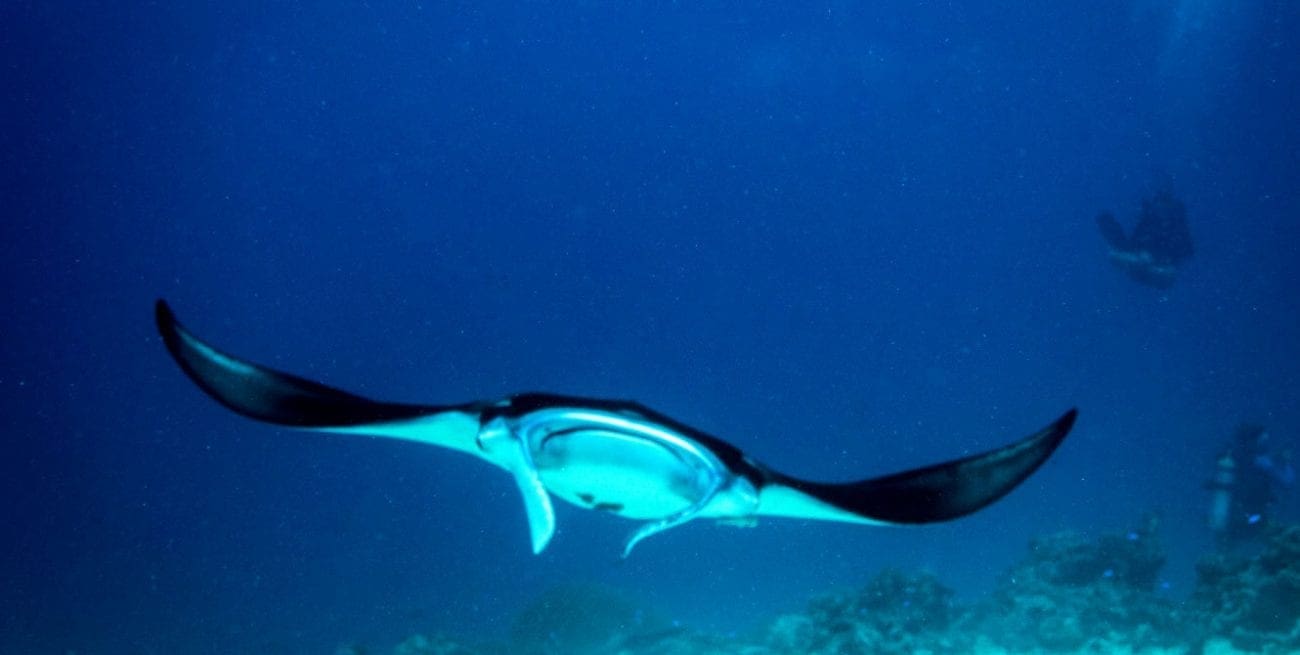
Liveaboards offer one of the best ways to dive
Liveaboard travel is an excellent way for any diver to see the best dive sites a destination has to offer. It allows divers easy access to long-range dive sites and more secluded or remote areas that cannot be reached by a day boat. Some might say Liveaboards are for the dive-hards in our industry, those with the “eat/sleep/dive” mentality. For avid adult divers, it’s undoubtedly been the way to go. I myself have enjoyed those five-dive-a-day, dive-hard experiences on liveaboards around the world for 36 years. There have been rough crossings, big currents, stormy days, and plenty of advanced open-water dives with big animals.
What are the considerations for kids?
There are a few ways to go about this in order to ensure success.
1. Safety first: check the credentials of the fleet and boat you’re booking with. Check to confirm they are up to date with all safety requirements and mandates. Ask whether they allow kids and what their experience level with kids is. Make sure your kids will have their own DM and get acquainted with the layout and safety equipment aboard. Ask for an emergency contingency plan. Kids need attentive guides who turn around often and stay no more than a breath away.
2. Book your liveaboard trip into a family week where other kids and recreational diving families with similar profiles are on board. Ensure the entire liveaboard itinerary is geared toward a safer, more conservative profile and dive site choices. Less current, better viz, calmer dive sites can be chosen. Insist on your itinerary being dedicated to ease of diving for all levels.
3. Charter the full yacht. There are then no dive hard guests to cater to who prefer not to have kids on their trip. No worries about noise, menu items, or issues with dive site choices. It’s all about kids and you. I book full-boat charters for KSC, and I book them for 3 or 4 families who love to travel together. I don’t recommend more than 20 divers on a liveaboard yacht and prefer 100 ft or more with 8-10 cabins and private bathrooms.
All aboard
The key to taking my kids on liveaboards happily is having other kids on board. They bond, they laugh, they have sleepovers in each other’s rooms, and they camp out on the top deck in the hammocks and chairs under the stars. They enjoy sharing photos and making slide shows, and depending on the captain and location, they like helping cook and jumping off the sides of the boat when anchored.
Destinations
Choosing which liveaboard vessel for a trip with our kids is very important. Start easy with a Caribbean liveaboard in a calm, clear destination. My favorites are with the Explorer Venture Fleet. I also feel the Cayman Islands is another easy learning spot. They make great testing grounds because they are close to land, easy to access with daily flights, and have a variety of pins set up at the better dive sites around those islands. I have also taken younger divers with a bit more land experience to both the Sea of Cortez and Socorro aboard the Rocio Del Mar. Both are very family-friendly operators.
The Galapagos
The Galapagos is known for its advanced diving. And most liveaboards won’t take kids on regular trips. They have other advanced adult guests to cater to, and kids won’t fit into that equation. So, a full-boat charter is the answer here. I add up to 2 experienced guides in the water on each panga, and I confirm that kids have a minimum of 10 dives and are Jr., Advanced Open Water-rated, or higher. It’s important that they are excited and want to go on the liveaboard.
If your child has good buoyancy and follows directions well, then, as long as a liveaboard is something they want to do, it can be a great experience for the entire family. With a Kids Sea Camp family liveaboard trip, parents can go and do some more advanced diving while kids are looked after by trained kid-friendly PADI dive pros who will dive with them, age-appropriately, at shallower depths. I also provide strict ratios for kids in the water with instructors. 1:4 with kids 14 or under and 1:5 with age 15+. If there are special conditions or requests, then I will provide a 1:1 when needed.
Individual tips
If you are considering an individual trip, your kids should be age 12+ and Jr. Advanced certified. With that PADI rating, the max depth is 70ft. Again, I always say be more conservative and only dive to your comfort and experience level within your recommended profile. Never allow kids to dive with other kids, and always request a dive pro to dive with you and your kids if you are not one yourself.
Comfortable, stress-free diving on liveaboards: I turn 54 this year. I have over 6,000 dives, and like many parents and even grandparents my age, I like luxury diving. I want a big soft bed and great food, and I don’t want to worry about changing tanks or lugging gear. So I am predisposed to take families who travel with me on luxury liveaboards because I find them more relaxed. Valet diving: gear rinsed, dried, and bagged for you. I don’t see my luggage from the moment I get off the plane until it arrives in my cabin.
Luxury on the water
The Pelagian with Wakatobi and the Arenui, to name a few of my favorites, will do just that. Some liveaboards I work with include Citizen Science programs on board for the kids, including plankton collection, shark tagging, plastic studies, and documenting whales. I can organize this type of trip with any of my group trips and on individual trips with Rocio Del Mar
The bottom line: ask good questions, get great answers, or keep looking.
- How many guests are on board?
- How many cabins?
- How many guides are in the water diving?
- How many shore excursions?
- How long are the crossings?
- How many beds per cabin?
- Is there a night watch?
- What is the emergency protocol?
- Do you have kids’ dive gear?
- Do you have kid-friendly experienced dive instructors on board?
- Can I dive at shallower depths with my kids?
- What is the age limitation for your liveaboards?
- What forms of communication are available onboard?
- Are there smoke detectors in all rooms?
- Are the layout and ship specs available to view?
- Are there menu variations for kids, GF, or vegetarians available?
- Is it possible to have my own private guide?
- What level of certification is required?
- Are there smaller scuba tanks available?
- Are dives conducted from a panga or main boat?
By Margo Peyton, See full version in Diver Magazine