How do I know which BCD is right for me?
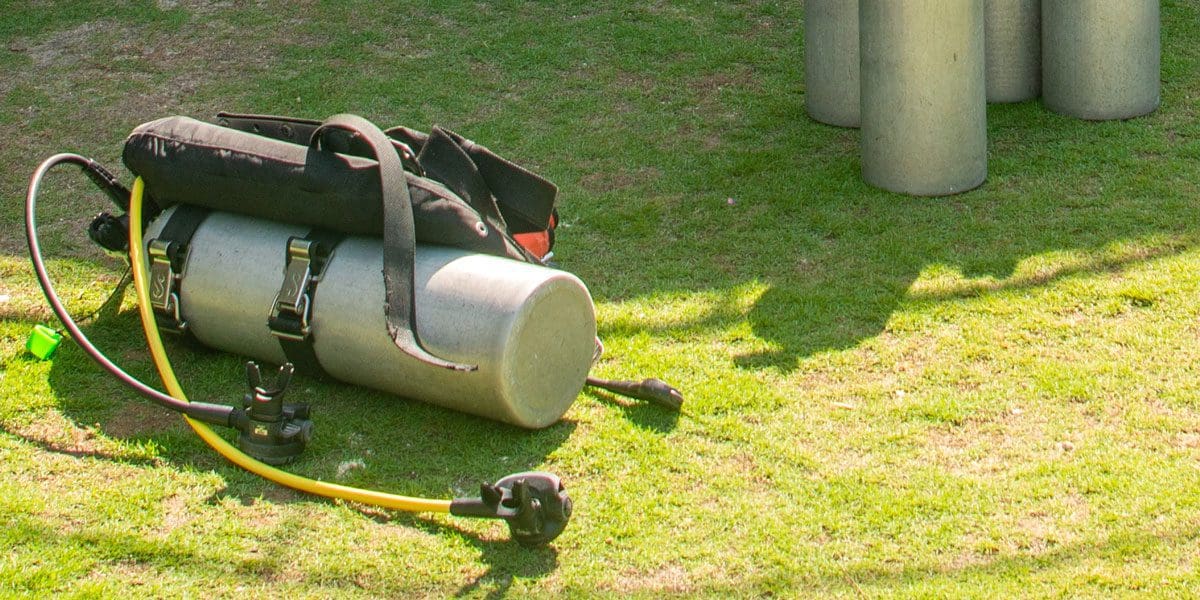
Going hoseless or a full-on regulator system, in some cases, the kids or your buddy run out of air. Best for divers who have a regulator with a first stage, the second stage (primary), and the octopus. The octopus is a backup to handoff. In cases, the kids or your buddy run out or are low on air. I recommend this setup for parents diving with kids, or for a Buddy you know is not efficient with air consumption. I also recommend this BCD setup if you are a rescue diver or if you’re a PADI dive pro. For two reasons, really, because it should have a bright yellow hose, easily recognizable to someone needing it, or in a bit of panic, more noticeable, so they do not have to search too hard or accidentally grab your primary.
The Air 2 is the best for easy diving
Also, the octopus is a longer hose, so you do not have that person you’re helping on top of you. The Air2 is great for recreational divers who have no one else to worry about and feel the likelihood of needing it is nil. I say this because Air2 is a substitute in the event of an out-of-air situation for your primary. So with an Air2. You do not need an additional, long, cumbersome hose (octopus) on your scuba gear. You can streamline and enjoy the first and second stages only on your reg. The Air2 is a regulator attached to the very short hose that has to be bent and curved up into your mouth for you to use, and your primary would then be handed off to the person in need. It’s heavier and less comfortable in your mouth when assisting someone.
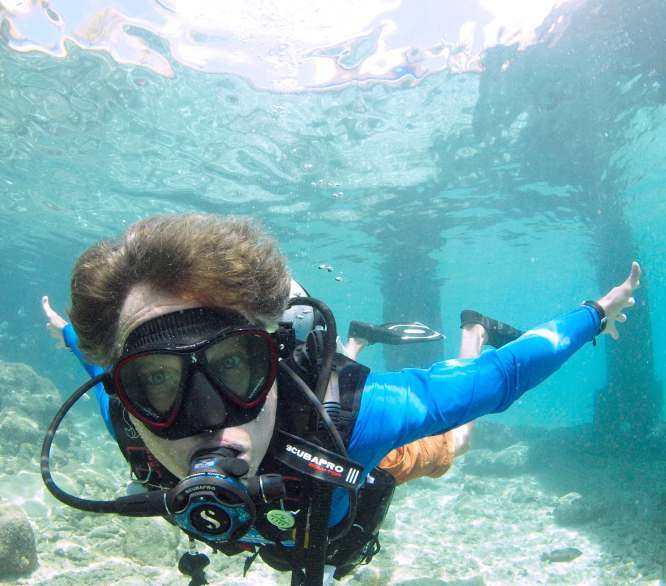
The Air2 I feel is best for streamlined ease of diving and can be complemented with the addition of an air integrated computer system, such as the ScubaPro G2 quick release, G2, or Aladin wrist computers that include a small transmitter that attaches to your first stage, eliminating the need for hoses, depth, and air gauges, and even include a digital compass. So you are then practically hoseless, lightweight, and streamlined.
A Hoseless BCD is freeing
I do use the hoseless setup when Tom and I have the rare opportunity to go diving and not be responsible for anyone but each other. It’s very freeing. Having said that, being the avid diver that I am, I have a tendency to be on the more cautious side. Even with that setup, I have a redundant air gauge attached. Tom and I have both experienced short interruptions in the transmitter signal during our dives. Someone’s strobes can cause it, and some cameras with Wi-Fi can, like SeaLife cameras and Ikelite video lights.
Also getting close to other divers with similar devices. I will say, this only lasts an instant and can be resolved by moving a few feet away from the interference. The light and camera interference I have found to be resolved by switching the hands I hold them in and moving the issue-causing device a little further away from the receiver. For example, if your receiver is worn on your left side with the computer on your left wrist, the camera or strobe causing the issue can be held in the right hand.
So make your BCD decision based on your needs, your buddy’s needs, your preferred level of comfort, and your budget. Gauges and BPI are the least expensive options.
I have used Scubapro for 35 years and stand by it for kids and adults. Scubapro recreational BCs generally only need to be serviced once every two years.
My favorite BCDs
My favorite BCDs are the Hydro-BPI, GO-BCD-air 2 for comfort and back support, and the Lighthawk for traveling light. All have integrated weight options; for younger kids, the Rebel or the Glide X. All Pros, the Hydro Pro comes with two harnesses for pockets or streamlined for simple use with no pockets.
President of Kids Sea Camp & Family Dive Adventures, Margo Peyton, PADI MSDT Elite Instructor, 57474