
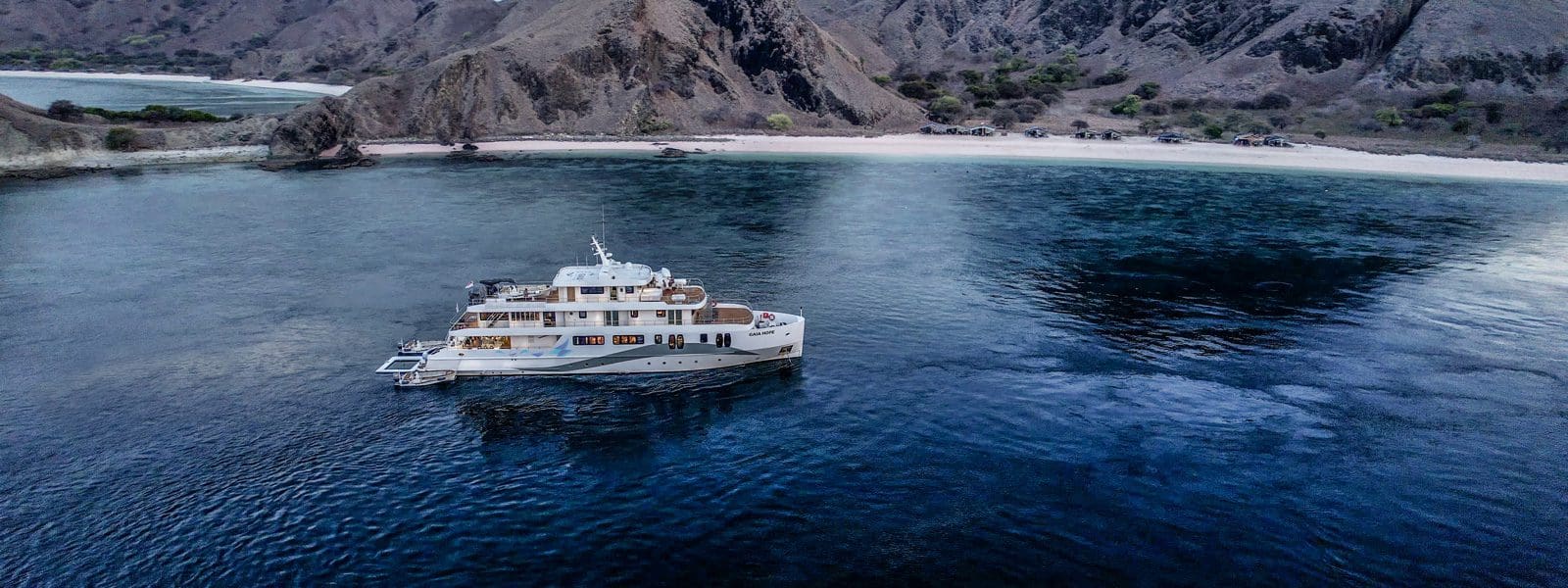
Top 10 safety tips when booking a liveaboard dive trip.
Ask the tough questions when searching for your next liveaboard trip. Make sure you are qualified for the type of diving you plan to do. You should be fit and mentally prepared for liveaboard diving. Do not assume there is a single world book of mandates and laws. It is your responsibility to be a competent diver, so here are the safety tips when taking a dive trip. Why choose Kids Sea Camp?
Ask about dive gear needs, weights, types of boats, conditions, etc. Ask if the time of year you want to go is best for that destination. Make sure you are comfortable with the number of guests on board compared to the staff. I personally do not dive on liveaboards with more than 16 passengers; I do not prefer shared bathrooms; and I do not ever go on boats that don’t offer professional, active, rescue-trained, and up-to-date divemasters or instructors in the water with divers.
I am very strict on my ratios when it comes to family and kids; my minimum is 1 DM to 5 certified divers in the water. It’s important that you feel comfortable with the conditions the liveaboard will be diving in, and that you know what they are or can be. Request a fire drill, make sure systems and alarms are working.
Request and demand to see both sides of the emergency exits
Have the staff show you how they open by demonstrating, so you can make sure it’s not blocked or painted shut, and that it opens easily and works properly. Know where the life jackets are and know where the exits to your cabins are. Do your research on the operator you are considering to determine its reputation. Scuba board, Under Current, DAN, and Under Current are just a few good resources to look up. Make sure you book with an experienced, trustworthy agent. I am available to my clients 24/7. My cell is on my card, and believe it or not, I have made myself available to clients in trouble on trips that have not even been booked through me.
Woody Tinsley: When you’re on a liveaboard, I joined a group a few years ago and got the Nautilis lifeline, and it’s on me with every boat dive, and I keep it clipped to my safety sausage, which, if I had time to grab an emergency, would be one of the only things I grab. But the lifeline broadcasts your GPS location internationally on an emergency frequency to every boat. Anyway, NOAA put it on, and it was really eye-opening. Boat drills consistently do abandon ship drills, but nobody ever talks about what you should do in the water afterward. https://shop-nautiluslifeline-com.3dcartstores.com/
Safety tips to help you be ready to travel.
- How many passengers and cabins are accommodated on your boats?
- How many crew are on the boat, and are they all rescue-trained and trained in fire drills?
- Do you have an emergency contingency plan in place, and may I have a copy?
- Are your boats inspected and up to date with all required licenses and inspections?
- Do you have a sprinkler system and a fire detection system on this boat?
- Do you allow charging devices in individual cabins?
- Do you have fire extinguishers and alarms in all cabins and rooms?
- Do you have a mandatory security night watch aboard your boats?
- Also, where is the emergency contact list for guests?
- What are your ratios of divers in the water to staff, and are the dive staff professional-certified, dive masters & instructors?
10 safety tips for an emergency when traveling
- Remove any second-tier verification codes from your email account.
- Create your own safety deposit box or emergency folder in the cloud. Put copies of your passports, dive cards, DAN insurance, or other documents, a copy of your airline itinerary, and the emergency contacts for you personally, as well as for the airline, and the liveaboard, resort, or agent you are working with. We all live in a push-button world, and with smartphones, remembering the numbers of our family and business is a thing of the past. If you lose your phone and computer, you lose it all.
- Keep a small emergency dry bag with you at all times. Keep it on your nightstand at night and keep it in your dry bag on your dive boat. Keep it with you at all times. Inside.
- Your cell phone, your passport or copy of your passport, a copy of your airline ticket, a note with your most important numbers, a small amount of money, and 1 credit card.
- At night, make sure to have in your dry grab bag 1 pair of underwear, a shirt, shorts, and life-saving meds you can’t go without. This should not be large. You do not know the conditions you may be in. 5. Send a link to your emergency folder to your emergency contact at home, not traveling with you.
- Ensure your dive gear and camera equipment.
- Make sure you have DAN Dive insurance or USI (CFAR insurance). Rescue flights and chamber rides can cost tens to hundreds of thousands in a remote location to air vac you out.
- Make sure that the people you are traveling with have access to your emergency information.
- Make sure the organization you are traveling with has strong online reviews, and take the time to read them.
- Pay it forward. Share it with others and post on Scuba Board, The Dive Magazine websites, and your multimedia. Let other divers learn from your experience
Let’s make diving safer for divers by making more informed and educated divers
- Check what travel insurance you have and what you need.
- Have a list of items that you pack, even better, lay them out in the “Tetris Challenge” style. The email that picture to contact and yourself or save on the cloud.
- Make copies of the paperwork and email them to a close friend and yourself, or store them in the cloud.
- Have an “emergency contact form.”
- Accordingly, know at least one phone number.
The Right Honourable Lord Woodrow F. Tinsley III D.o.D. HcLaird of Glencoe and LochaberCount of Hougun ManorBoston Sea RoversOwner of The Sharkiteuthis Diving Co., East Hartford Police #289
By Margo Peyton, Owner of Kids Sea Camp Inc., Family Dive Adventure,s PADI Instructor 57474