International Travel Check list and Safety Tips

Travel checklist, International travel, Kids and diving, Kids Sea Camp

International Travel Checklist and Safety Tips

  1. Learn about your travel destination
  2. Double-check your checklist
  3. Sign up for alerts through the Smart Traveler Enrollment Program (STEP)
  4. Organize your required travel documents
  5. Review your personal travel needs and safety tips for activities
  6. Consider buying travel insurance

Get the full checklist

For your own safety:

  • Have your passport or identity document at all times.
  • Follow local news sources during your stay to stay abreast of any potential concerns, including areas, dates, or times.
  • Exercise caution and good judgment, keep a low profile, and maintain a high level of vigilance.
  • Avoid demonstrations, which may become violent and unpredictable.
  • Obey the instructions of security personnel at all times.

Gather your required travel documents and make multiple copies. These copies will help you replace your originals if they are stolen or lost while traveling.

  • Give a set of copies to a trusted friend or family member.
  • Keep a set of copies with you, separate from your originals.
  • Take photos of your travel documents using your mobile phone.
  • Get CFAR travel Insurance

Getting prepared for international travel may include considerations such as lodging, medical services, import restrictions, and more. Your preparations may vary depending on the country you are planning to visit. You can access these best practices to guide you in your plans:

Certain types of travelers have personal needs or participate in activities while traveling abroad. Check the list of personal needs and safety tips for activities to find the planning information for your trip.

Be alert

Always remain alert and prepared to reduce your risk of becoming a victim of crime while traveling. Following these crime prevention tips can make a difference when traveling internationally.

  • Don’t wear expensive jewelry or carry valuable items.
  • Trust your instincts. Plan ahead and have a safety strategy.
  • Have a personal alarm or whistle to scare off attackers.
  • Consider taking a self-defense class before you travel.
  • Know where local police stations and hospitals are located.
  • Don’t share detailed travel plans online until you return home.
  • Use a “Find My Phone” GPS tracker on your devices. Share your location with someone trusted at home.
  • Download offline map apps so you can navigate without an internet connection.
  • Keep your phone charged and carry a portable battery.
  • Tell someone at home your travel itinerary. Share hotel names, locations you will visit, U.S. embassy or consulate information, and your emergency contacts while abroad.
What is STEP?

Are you traveling outside the United States? You should enroll in our Smart Traveler Enrollment Program (STEP). It is a free service that sends you email updates and alerts from U.S. embassies and consulates abroad. The U.S. embassy and consulate updates in your inbox when you’re abroad. Join our Smart Traveler Enrollment Program (STEP) today.

Enroll in STEP

Scuba Diving resorts are making better decisions on safety when it comes to kids and family.

Kids Sea Camp, Kids and diving, family diving vacations

Keeping families and kids safe should always be the #1 priority for traveling families!

For most of my 30-year career, I had been frustrated over having to plead my case to the resort owners for better safety provisions for diving with kids. Kids’ diving safety should be common sense, but it was not. Much has changed, and many dive operators and resorts have upgraded their safety standards. I want families to understand how to choose the right resort. How to keep their families safe when booking dive trips. What is important to consider when parents want to go diving with their kids or take their kids on a dive vacation is asking the right questions. Why choose Kids Sea Camp?

I’m talking to the average family out there that goes on adventure vacations and wants to make scuba diving a part of their lifestyle with their kids or grandkids. Many recreational divers have skipped a few years of diving. They should absolutely take a refresher or complete the e-learning for the PADI Scuba Tune-up course. If you do not know the new signals or skills, and you are going to be diving with newly certified kids or grandkids, make sure you get up to date on your training beforehand. Many adult divers feel comfortable being responsible for themselves but not for another adult, especially a child. Thinking about taking a child diver underwater with no verbal communication is very intimidating to many parents or grandparents. So let’s get you ready to feel confident and have some fun with your kids, creating memories that last a lifetime.

Always have a PADI Pro in the water

At Kids Sea Camp and with Family Divers, we always have a PADI Pro in the water when teaching and training with kids. Kids’ diving safety is our primary focus. Kids are not allowed to dive with other kids, and parents are reassured by a PADI pro in the water during our Kids Sea Camp event and scheduled family dives. When families contact us to book a family dive vacation and want to get their kids or other family members certified to dive, we arrange the course, e-learning links, rental gear, and rental dive gear for students who register with Kids Sea Camp. We consider the destination, the conditions, and the student’s experience level, and we do our best to match the dive operator to their needs.

We choose kid-friendly resorts and dive operators because we know the dive staff have experience diving and teaching kids. The dive operators we choose have smaller dive gear and tanks for kids. There are many good diver resorts around the world now that I consider family-friendly, and asking the right questions is the most important thing a parent can do when researching on their own.

There should be reasonable rates for the dive instructor who is teaching your course at a vacation resort to continue to dive with the kids for the rest of their stay on the additional dives purchased after certification. Look for another operator if they do not offer a private guide.

Many dive resorts are making improvements. They understand that by creating diverse safety standards and applying common-sense principles, they have repeat clients. These clients will grow to trust them and remain loyal. They see that contributing to growing our dive industry by making better choices for families is the wise decision for the future.

Over 8,100 new kids’ certifications

Our family company specializes in kids’ diving safety, with over 8,100 youth certs and no accidents, and I have a growing, successful business that prioritizes safety. With a 75% repeat client base and 3 generations of travelers on any given trip. Kids Sea Camp caters to more grandparents sharing amazing adventures with their grandkids because I make it safe, easy, and fun for all family members to enjoy the ocean together. Diving creates memories to last a lifetime.

Think of this average scenario, NOT at Kids Sea Camp, but with any dive operations around the globe, you may choose:ย  You’re a certified parent. You are on a family vacation and have signed your spouse and two children up for an open-water diver course. One instructor will teach all three of your loved ones to dive over the 3 days of your family vacation. Then, at the end of those 3 days, after 5 confined pool dives and 4 open water dives, they are certified. An open-water-certified parent is now on their own, responsible for themselves and their family in the water.

How not to teach kids scuba diving

The dive shop instructor has completed his job and moved on to another class. Dad and his family are loaded onto a boat with his wife and your 2 kids. They have had no open-water dive experience outside of the class they just completed. Your spouse is nervous about the kids. You’re going to be put on a boat with a bunch of other divers and an instructor who is in charge of everyone and will mainly point out stuff. You will need to find your own way back to the boat and manage your family’s depth and time, as well as any issues that come up.ย That is the norm. This is not, in my opinion, acceptable, and it is not what I suggest or provide for my clients; it’s not how I teach and work with kids.

Kids Sea Camp has no dive accidents. We have made changes to the operators we work with or have approved as family-friendly worldwide. The resort you choose to dive with, when teaching your children and family how to dive, needs to meet the highest standards available. When someone is purchasing a week’s stay with you, meals with you, diving with you, and a certification course. It should be good standard practice that the family, the child, should have their instructor with them, accompanying them on all dives, and the remainder of the dives they have booked on their vacation after getting certified.

My analogy for you is this: your child goes to driving school and completes the course on those two Saturdays. Would you be willing to hand them the keys to your car and let them go drive on I-95? It’s the same. Kids’ diving safety is training a new driver.

Kids-Friendly Dive Staff

So, with Family Dive Adventures and Kids Sea Camp, whenever we book a certification course, it is expected and mandatory for our dive pro to accompany them for the remainder of the dive days.

This is not only common sense but also common practice. Those new divers have no boat experience. They have had no experience of diving on their own. There is so much to remember for them, and they need those few days to get it. You need experience practicing. They need to remember safety stops. What to do in case of an emergency, and navigation. Oversight is a key practice that they just learned safely, so they can become more confident and better divers.

I do understand how expensive it is to assign a dive staff member. But when kids are involved, you should demand an additional dive pro in the water with them or any new divers. The best family-friendly operators have made changes to accommodate this. Meet our family-friendly KSC dive staff.

Choosing your dive resort

A dive resort you choose for your family dive vacation should offer special-needs guide pricing. If you want to add a dive pro for added safety, because kids are personal, not business. Most family-run dive operator managers and owners make sure their own kids have a private dive instructor. Kids Sea Camp treats every child like one of our own!

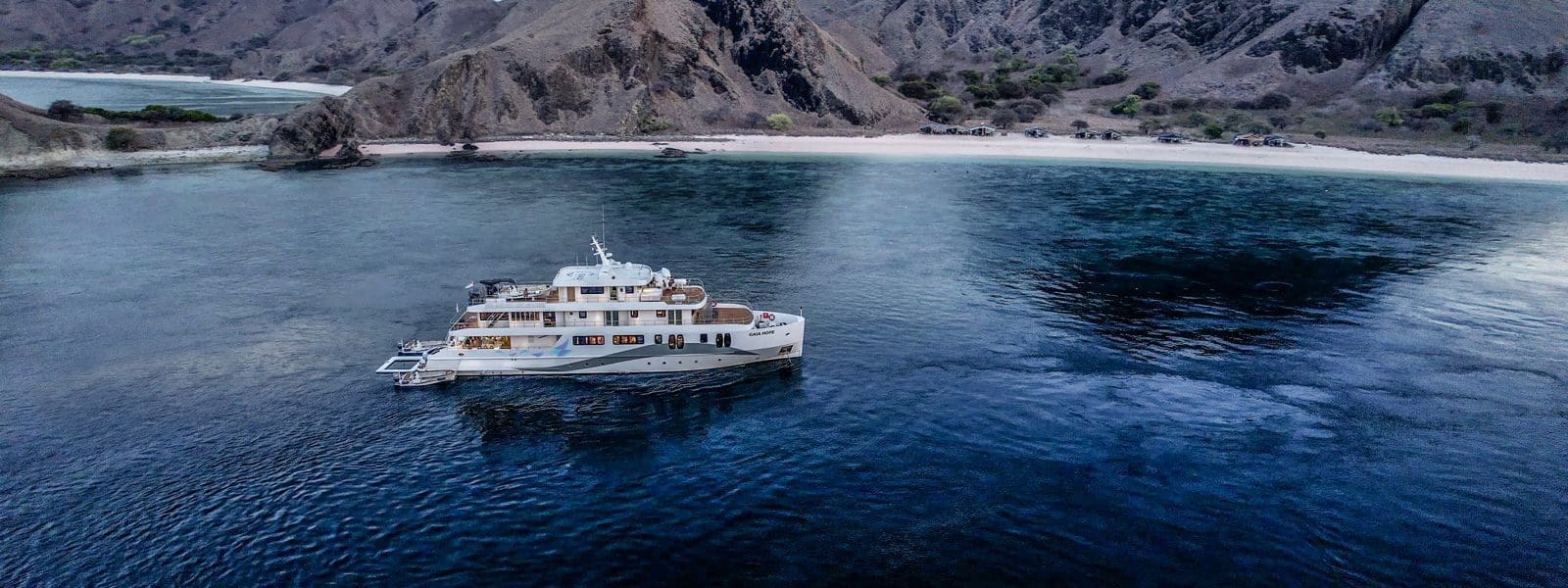
I thank all the great family-friendly operators I work with around the world who get this! In the Caribbean, we work with Buddy Dive Bonaire, Clearly Cayman Dive Resorts, Divetec, Blackbird Caye Resort, and Anse Chastanet, St. Lucia. In the Indo-Pacific we love, Sea Explorers Philippines, Lembeh, Manado, Bangka, with Murex divers in Indonesia. The Arenui is a wonderful liveaboard making a difference every day. The change will come if you demand it.ย  ย  ย  ย 

By Margo Peyton, PADI MSDT Instructor

Traveling Internationally with kids is tricky

The Philippines, Travel tips, Kids Sea Camp

Traveling with kids’ information and documentation is needed.

Traveling internationally can be tricky. Each country has its own restrictions and mandates, so it’s essential to check the immigration website of the country you are traveling to. Your airline or the tourism board is also a great source of proper information. Check where you go this year at an International Kids Sea Camp event.

Adults traveling outside the U.S. with children age 18 or under other than their own must have a notarized “Consent to Travel” Letter from both of the minor’s parents or guardians in order to leave and return to the U.S.

A child departing the United States and traveling with only one parent, a guardian, grandparents, or other adults must have a written and notarizedย Permission to Travel Letter from both birth parents or legal guardians to enter many countries, even on a cruise ship’s shore excursions.

The Canadian Department of Foreign Affairs and International Trade reminds visitors, “Foreign officials and transportation companies are vigilant concerning documentation for children crossing international borders. Make sure you carry the proper identification for yourself and any children traveling with you, including any documents required by the authorities of the country you intend to visit and by U.S. and Canadian authorities on your return to the U.S. or ย Canada with the child.”

Travel Documents Help Protect Kids

This requirement for an affidavit for children traveling outside their home country stems from the heightened awareness of children’s rights raised by the 1980 Hague Convention on the Civil Aspects of International Child Abduction. As of July 2011, this treaty, created to deter international child abductions, is in force between the United States and 82 other countries and territories, including Canada and Mexico.

Nevertheless, international child abduction stories are in the news all the time. To stop these tragic crimes and prevent the transport of runaways or children involved in child custody disputes, American carriers have been told to require unique documents, such as Permission to Travel Letters from adults departing the U.S. with minors.

Additionally, rising healthcare costs and legal issues have forced many medical providers to deny medical care to minors without proper Medical Authorization forms. Increasingly, written permission or affidavits from guardians who carry the minor’s insurance coverage, as well as proof of that medical insurance coverage, are required at emergency care facilities.

The same regulations apply to minors under 18 leaving the United States with school groups, teen tours, or just friends on a vacation. Sports teams and academic study programs require a similar Minor Consent to Travel form.

Read on for tips on making this paperwork less of a burden, or scroll to the bottom of this story to obtain sample forms.

Getting a U. S. Passport or Foreign Passport for a Minor

To enforce the Hague Convention provisions, the U.S. Department of State requires that every citizen, no matter the age, traveling internationally by air carry their passport and appear in person to apply for one. These very strictly enforced guidelines for obtaining a passport for a minor require the presence of both parents, with photo ID and proof of parentage, or one parent’s appearance accompanied by a notarized statement of consent from the second parent or legal guardian.

Exceptions are made if there’s documented evidence that a minor has only one guardian; for example, divorce papers, death certificates, adoption papers, or a lawyer’s letter would indicate that the presence of one legal guardian is sufficient. This complex issue is explained in more detail in the U.S. Passport Office.

Custody Issues

If child custody issues are a concern for you, the Children’s Passport Issuance Alert Program notifies parents of passport applications made on behalf of minor children and denies passport issuance if appropriate court orders are on file with the CPIAP. The Office of Children’s Issues will provide more information.

Citizens of other countries must check with their own country’s embassy, as passport issuance laws have become stricter worldwide. Michelle Higgins’s story in the New York Times Practical Traveler column should provide more information on this topic and tips for parents with children of dual nationality or different citizenships. If you’re planning your foreign vacation, start this process early. United States security and border regulations change frequently, and the increased number of passport applications means a backlog at the National Passport Center. Visas & Travel Documents for Minors

It can get complex

In an era of heightened global security, many foreign countries are revising their visa procedures as well. Contact the embassy of your destination country or study the Consular Information Sheets provided at http://travel.state.gov to find out what that country’s requirements will be in terms of documentation in order to bring a child into the country.”

US airlines have on most websites information that confirms that they enforce this during the check-in process with the posted rule: “If adult passengers do not have the proper documents, as defined by the U.S. Department of State guidelines, boarding is denied in order to comply with international regulations and the foreign immigration process.”

Some countries require a notarized original copy of the Permission to Travel Letter before even accepting a visa application for minors. Many countries also require that the authorization notes be in the country’s national language and notarized and authenticated by the country’s embassy or consulate. For information on the requirements for travel to a specific country by an American citizen, visit the US Department of State and navigate to the International Travel Information page. When in doubt about the information, it’s best to call the Visa Section of the embassy or consulate of your intended destination.

ย What Permission To Travel or Consent to Travel Letters Do

A consular officer at the U.S. Office of Children’s Issues (888/407-4747) verified that many countries require a Permission to Travel letter with parents’ notarized signatures, plus identification for the child (certified birth certificate or passport), and that both are essential.

Consular Information Sheets issued by the U. S. Department of State (which does not make these regulations) often carry this warning: “In an effort to prevent international child abduction, many governments have initiated procedures at entry/exit points. These often include requiring documentary evidence of the relationship and permission for the child’s travel from the parent(s) or legal guardian if not present. Having such documentation on hand, even if not required, may facilitate entry/departure.”

U.S. Customs & Border Protection recommends that all travelers read the helpful booklet โ€œKnow Before You Go.โ€ย  Although minors under 16 may enter Canada from the U.S. by land or sea with only a photocopy of their U.S. birth certificate, the CBP notes that children under age 18 must carry notarized travel permission letters if they are traveling without their parents.

Children’s Travel Permission Letters Required for Cruises, Too

Such concerns apply not only to air and land travel but also to liveaboard cruise travel.

Obtaining a Free Permission to Travel Letter Form

We recommend that you download FTF’s sample “Permission To Travel” letter from the next page. Print it. Complete it. Have it notarized, and carry it with you on all future international travel. Is notarizing the document necessary, especially for Canadian families, who pay much higher notary fees than those in the U.S.ย  “It is strongly recommended that children traveling alone or with one parent carry a consent letter for every trip abroad. It is advisable to have the consent letter certified, stamped, or sealed by an official with the authority to administer an oath or solemn declaration so that the validity of the letter will not be questioned.” From the Canadian Consular Affairs Office.

Tip: Notarize several copies of the Permission to Travel Letter simultaneously if you are applying for foreign visas. Carry two copies with you on your vacation in case a border official.

When you cross a border by land, sea, or air, you will need proper identification documents for each traveler in addition to the above letters. Please see the Department of Homeland Security Website if you are unsure which ID documents you and your family need.

Travel Prepared to Avoid Confusion

For more information, contact your attorney or a professional travel agent. On vacation, travel prepared. It’s better to be safe than sorry. Get Blank Permission to Travel, Minors & Medical Authorization Forms

  • Thorough documentation is especially important in situations involving travelers or guardians with different last names or a minor. We also recommend that birth parents who have different surnames from their child carry a photocopy of the child’s birth certificate while traveling, providing legal evidence of “guardianship” in case of trouble.
  • Travel agents occasionally: the fine print in a brochure is supposed to notify families that airlines, cruise lines, and bus tours may require proper documentationโ€”or deny boarding. The paperwork can โ€”and often does โ€”slip between the cracks.
  • Travel insurance, trip protection that we feel is essential (and many vacationers are reluctant to purchase), is a must to get!
  • Same-sex couples and adoptive, divorced, or widowed parents should carry certified custody or death certificates, adoption papers, or other proof of sole custody, as well as photo identification for themselves and the child.
  • Remember, having these essential documents for travel with minors could save your next vacation.

Tips for Planning a Successful Family Dive Vacation:

Bonaire, Kids Sea Camp, Travel tips

Planning Your Dive Trip: Start Early!

Here are a few tips to help you plan a successful family dive vacation. The key to a smooth and stress-free dive trip? Early planning!ย 

  • More Research Time: Starting early gives you ample time to explore potential destinations, compare options, and find the perfect spot for your dream dive vacation.
  • Better Flight Options: Early birds get the best flight deals! You’ll have more choices and flexibility with dates, airlines, and routes. Use tools like Google Flights to research itineraries and track prices. Be sure to have your airport codes handy!
  • Accommodation Choice:ย  Planning ahead ensures you snag your preferred accommodations.
  • Gear Up: Don’t forget your dive gear! Starting early allows plenty of time to check your equipment, make any necessary repairs or replacements, and ensure everyone in your group has what they need.
  • Time Zone Awareness: Pay close attention to time zone changes between your departure and arrival cities.

Need Help with Flights?

We’ve got you covered! Margo Peyton has over 15 years of experience as an airline reservations agent. We also recommend Lennie, our trusted independent air consolidator with over 25years of experience.

Choosing the correct destination for your family dive vacation:

Beyond the Dive: Our destinations offer a wide range of options, from snorkeling and kayaking to land sailing, jungle biking, and even barista or cooking classes and world-class spa experiences! Choose one of our locations to keep everyone happy with exciting activities above and below the surface.

Consider Diver Skill Levels: Do you have a mix of beginners and experienced divers in your family? No problem! Destinations like Bonaire, the Cayman Islands, and Roatan offer easy diving that is suitable for all levels. For more seasoned divers, consider the Galapagos, St. Lucia, Belize, the Philippines, or one of our many live-aboard adventures.

Accessibility and Dietary Needs: We believe everyone should be able to experience the joy of diving. That’s why we offer more accessible destinations like Roatan, Fiji, Belize, and Little Cayman, catering to those with mobility challenges. We also understand the importance of dietary needs.ย 

Marine Life Encounters: Dreaming of swimming with whale sharks, encountering majestic manta rays, or witnessing the magic of coral spawning? Each destination has its own unique marine life and seasonal events. Let us know your preferences, and we’ll guide you to the perfect spot to fulfill your underwater wishes.

Protect Your Investment: Why Trip Insurance is a Must

Peace of Mind in Uncertain Times: Life is unpredictable. Unexpected events, such as illness, accidents, family emergencies, or even work and school commitments, can derail your travel plans. Trip insurance, especially with a “Cancel For Any Reason” (CFAR) option, provides financial protection and peace of mind, allowing you to book with confidence. CFAR insurance goes beyond typical travel policies, covering a wide range of unexpected situations, including:

  • COVID-related disruptions: Travel restrictions, positive tests, or mandatory quarantines.
  • Missed flights: Oversleeping, traffic delays, or other unforeseen circumstances.
  • Passport issues: Expired or forgotten passports.
  • And much more: Hundreds of covered reasons to cancel your trip, giving you ultimate flexibility.

A Small Price for Big Protection: For a few hundred dollars per person, you can safeguard your investment and avoid potentially losing thousands on non-refundable flights, accommodations, and dive packages. Consider it an essential part of your vacation budget.

Book Early, Insure Early: The sooner you book your trip, the sooner you should secure your trip insurance. CFAR policies can even cover trips booked up to 3 years in advance, providing long-term protection and flexibility.

Planning a family dive trip?

Here are some tips to ensure a smooth, enjoyable, and unforgettable experience:

  • Embrace Flexibility: Remember to be kind, patient, and respectful to travel professionals and dive operators. Go with the flow, embrace the unexpected, and remember that flexibility is key to a successful trip.
  • Do Your Homework: Research your destination thoroughly.ย 

Other Important Tips

  • Dive training and services: Ensure the destination offers appropriate training and services for your family’s skill levels.
  • Client comments: Learn from the experiences of other families who have traveled with us.
  • Photo Gallery: Get inspired and excited about your upcoming adventure!
  • Protect Yourself with Insurance: Don’t overlook the importance of travel and DAN (Diver Alert Network). Dive accident insurance.
  • Pack Smart: Keep your luggage light and manageable. Consider investing in travel-friendly dive gear, like the SCUBAPRO Lighthawk or Rebel BCDs, designed for compact travel. Kids Sea Camp is a SCUBAPRO dealer and #1 with outfitting families and kids with dive gear, computers, and many other items that make your dive vacation easy and comfortable.ย 

Be Prepared

  • Be Prepared: Pack a day’s worth of essentials in your carry-on to handle potential baggage delays. Keep travel documents in a separate bag for added security. Make sure to have your certification cards, medications, a day’s worth of clothes, and a swimsuit
  • Consider your family members’ ages and abilities. Not all dive sites are appropriate for all ages and abilities. Be sure to choose a destination suitable for everyone in your group. Give us a call and talk to any of our dive instructor team.ย 
  • Make sure everyone has the proper training and certification. Talk to your experienced dive travel professional about your choices. Our team is all PADI Pros! Tom Peyton is a Divemaster; Margo, Kiley, and Rob are all PADI instructors and seasoned travelers, and are current and up to date in their teaching status. Kids aged 5-7 can do our SASY program, and 8- 9 can participate in Seal Team. Kids as young as ten can become PADI-certified divers.ย 
  • Be aware of the risks involved in diving.ย Be sure to educate yourself about your kid’s depth limits and restrictions. Talk to your family doctor about any conditions or concerns, as well as any medications you are taking.ย 
  • Call Kids Sea Camp and Family Dive Adventures today to plan your next great family adventure vacation.ย We are #1 in the dive industry regarding kids, diving, and family dive vacations. 803-419-2556

ย 

Finding a perfect place to dive as a family

Kids Sea Camp, diving with Kids, diving with family

โ€‹“Our only option for getting our kids certified to scuba dive was in the dark, kelp-filled, cold waterโ€‹.”

โ€‹Michael and I, both raised in scuba-diving families, could not wait until our son, Trey, and daughter, Hutton, turned 12 so we could get โ€‹them both SCUBA certified. We didn’t realize that the certification for Junior Open Water โ€‹with PADI had changed to age 10!

โ€‹Michael and I went to our local Dive Shop in Hermosa Beach, CA, and our son, Trey, quickly completed the e-learning, confined, and pool work. All that was left were the โ€‹four open-water dives. Now let me explain: it would โ€‹have to be โ€‹done off the coast of Palos Verdes, CA, in January – in dark, kelp-filled, cold water. โ€‹(This is not the definition of kid-friendly, and not the perfect place to learn to dive.) While Trey was very comfortable in the ocean and a strong swimmer, he would also have to wear a thick 7 mm wetsuit, a hood, booties , and a great deal of lead weight. Well, โ€‹he was not having โ€‹any of it! We knew right away that this wouldn’t be the โ€‹place for either child to learn to dive. The search for our family’s dive vacation began.

We found Kids Sea Camp

Kids Sea Camp, Kids and diving

Not giving up, we decided to look into group scuba trips to help us navigate and find kid-friendly dive sites around the world that would provide a safe, comfortable, and fun option for our kids to complete Jr. open water certificationsfor โ€‹our kids.

That’s when we found Kids Sea Camp! It was exactly what we needed. A group of top scuba instructors arranged trips for โ€‹families who wanted to explore the โ€‹underwater world together. As a bonus, they were focused on families and โ€‹offered incredible youth dive training programs and continued environmental education for all. Done. Is Kids Sea Camp the perfect place?

Kids Sea Camp has exceeded all our expectations. Both of our kids โ€‹have been successfully certifiedโ€‹ at Kids Sea Camp, and we haveย ย been on two one-week-long dive trips โ€‹to Little Caymanโ€‹ (Little Cayman Beach Resort and St. Luciaโ€‹ at Anse Chastanet Resort)ย 

With each trip, we all become more confident and comfortable. Our family loves the balance that these trips give us as well. We get to have quality family time together, hours of diving, great meals, getting to know other families, and stolen private moments alone. โ€‹Margo and Tom provide professional photographers throughout the week to capture each memorable moment of our family diving and the kids’ newfound friends.

Little Kids and Big Kids are everywhere

Scattered throughout the week, everyone (both big and small, young and old – like Tom, haha) has the option to enjoy activities such as jungle biking,โ€‹ sunset cruises, chocolate tasting, paddle boarding, treasure hunts,ย ย hiking, volleyball (a family favorite!), karaoke (start practicing your song now!), variousโ€‹ culinary delights and art classes.โ€‹

There is time together and time for making new friends with other like-minded families. We are so happy that our kids love diving, and as a family. The family can unplug and reconnect by exploring the underwater world together.ย 

We cannot recommend Kids Sea Camp enough! It’s one of those perfect vacation gems you almost don’t want to share with others lest they take your spot! But no, all jokes aside, we were always blown away when speaking with other KSC guests regarding how many years they have been diving with Margo and Tom. Some have been with KSC for more than five years! And I know we, too, will be among them. Now we have to agree upon the next perfect place for our family!

Thank you for all the memories (and incredible photography!) Margo, Tom, and the entire Kids Sea Camp crew!

Much love, The Morris Family (Kati, Michael, Trey, and Huttonโ€‹)

By Kati Haack Morris, KSC mom

Family Travel Tips

Kids Sea Camp, Woody Tinsley, Kids and diving

Thoughtful Family Travel Tips

By Margo Peyton

When you’re getting ready to travel this summer with your family, make the best choices for airlines that cater to family travel and will guarantee you’re seated next to your kids. Check out these best tips for ensuring your family stays together during air travel. (See link:)

Airport tips

  • Pay the higher price for assigned seats. Do not wait until airport check-in.
  • I arrive 3 hours before. Arrive at the airport at least 2.5 hours before boarding to make time for security. For international flights,ย 
  • Get a Global Entryย for international travel.
  • Get clear for domestic travel.

Flights tips

  • Remember, all children need passports. This process can take 3-6 weeks. If you are traveling with a child with a different last name than yours, you may be required to have travel documentation and proof of guardianship. Check with your airline to find out what you need. When traveling internationally, a passport is required. Again, if you are traveling with a child who is not your own or has a different last name than you, you will most likely be required to show legal documentation for traveling out of the US. This can also be true for single parents traveling alone with a child. Check the immigration site for your destination and your airline.
  • Bring snacks on long flights. Food is rarely provided, and when it is, it may not meet your dietary needs. Pre-order meals on international flights when they are available.
  • Be vigilantย aboutย making sure you and your kids remain buckled inย for your flights. Many adult and child passengers have recently been injured on flights due to turbulence and not having seatbelts securely fastened. I understand it cannot be easy to keep young kids strapped in, but good habits and consistency can help. Lead by example. Kids should be accustomed to this with cars, and flights are no different. Teach them the importance of safety.
  • Ensure kids and adult family members are using headphones and not playing their entertainment out loud. Remind kids that there are people seated in front and behind them, and their movements directly affect others.
  • Have fun and enjoy the journey. Be kind, patient, and courteous. Come travel with us this summer and create memories that will last a lifetime for your family.

ย 

Tips for planning your family dive vacation.

St. Lucia, Kids Sea Camp, family vacations, kids and diving

What to bring, what to pack, where to go, and how to plan:

Planning a dive trip can be a lot of work, so having a family travel expert like Kids Sea Camp handle it makes the process fun and incredibly rewarding. Here are a few tips to help you plan a successful family dive trip:

  1. Start by planning early.ย The earlier you start planning, the more time you’ll have to research destinations, book flights, and accommodation, and get everyone’s dive gear needs together.
  2. Choose the right destination. When choosing a dive destination, consider factors such as the type of diving you want to do, the time of year, and your budget.
  3. Book your flights and accommodation early. The earlier you book, the more likely you are to get the best deal and the most direct flights.
  4. Get everyone’s gear together. Ensure you have a list of what is needed and what you have. If you’re going to rent dive gear, planning early ensures sizes and needs are met. Dive gear is a very personal item, and kids should at least have a wetsuit, mask, fins, and snorkel. Kids Sea Camp is #1 in outfitting kids with scuba gear needs.
  5. To ensure everyone’s safety and comfort, talk to your dive professional about dietary needs, special needs, concerns, and expectations. The more we know, the better we can meet your needs.
  6. Be flexible.ย Things don’t always go according to plan, so be prepared to make changes if necessary.

Here are some additional tips that you may find helpful

  • Do your research. Before you book anything, take some time to research your destination. Read online reviews, talk to other divers, visit our website, and look at the Dive training and services offered, client comments, and the photo gallery.ย 
  • Get travel and dive insurance.ย This is always a good idea, but it’s especially important for dive trips. Travel insurance can cover you in a medical emergency, lost luggage, or other unexpected events.ย 
  • Pack light.ย Bring what you need and consider lighter bags, and more travel-friendly dive gear, such as the SCUBAPRO Lighthawk BCD or the Rebel, which are specifically made for compact and lightweight design.
  • Be prepared for the unexpected.ย Things don’t always go according to plan, so be ready for the unexpected. Bring 1 day’s worth of items in your carry-on in case of baggage delay.ย  Pack snacks and stay hydrated during travel days.ย  Have a second copy of your trip documents and passports in a separateย carry-on.ย 
  • Have fun! Dive trips are a great way to see the world and connect with like-minded families. So relax, enjoy yourself, and allow us to create memories that will last a lifetime.

Additional Tips for Planning a Family Dive Vacation

When planning a family dive vacation, there are a few additional things to keep in mind:

  • Consider your family members’ ages and abilities. Not all dive sites are appropriate for all ages and abilities. Be sure to choose a destination suitable for everyone in your group. Give us a call and talk to any of our dive instructor team to answer your questions.
  • Not everyone is a certified diver. Before you book your trip, make sure everyone in your group has the proper training and certification. Kids aged 5-7 can do our SASY program, and Kids aged 8 and 9 can participate in Seal Team. Kids as young as 10 can become PADI-certified divers.ย 
  • Be aware of the risks involved in diving. Diving can be dangerous if safety protocols are not followed. Be sure to educate yourself about the kids’ depth limits and restrictions. Talk to your family doctor about any conditions or concerns before scuba diving.ย 
  • Call Kids Sea Camp and Family Dive Adventures today to start planning your next great family adventure vacation. We look forward to serving you: 25 years and over 8000 youth scuba certifications. We are #1 in the dive industry regarding kids, diving, and family dive vacations.
  • With some planning, you can easily organize a successful family dive vacation that everyone will enjoy.

By Margo Peyton (see link)

Top tips for travel safety and being ready for emergencies.

Solitude, Palau, Kids and scuba diving, Family Diving vacations, Family Dive Adventures, Scuba Diving, Kids Sea Camp, Kids and scuba

Top 10 safety tips when booking a liveaboard dive trip.

Ask the tough questions when searching for your next liveaboard trip. Make sure you are qualified for the type of diving you plan to do. You should be fit and mentally prepared for liveaboard diving. Do not assume there is a single world book of mandates and laws. It is your responsibility to be a competent diver, so here are the safety tips when taking a dive trip. Why choose Kids Sea Camp?

Ask about dive gear needs, weights, types of boats, conditions, etc. Ask if the time of year you want to go is best for that destination. Make sure you are comfortable with the number of guests on board compared to the staff. I personally do not dive on liveaboards with more than 16 passengers; I do not prefer shared bathrooms; and I do not ever go on boats that don’t offer professional, active, rescue-trained, and up-to-date divemasters or instructors in the water with divers.ย 

I am very strict on my ratios when it comes to family and kids; my minimum is 1 DM to 5 certified divers in the water. It’s important that you feel comfortable with the conditions the liveaboard will be diving in, and that you know what they are or can be. Request a fire drill, make sure systems and alarms are working.ย 

Request and demand to see both sides of the emergency exits

Have the staff show you how they open by demonstrating, so you can make sure it’s not blocked or painted shut, and that it opens easily and works properly. Know where the life jackets are and know where the exits to your cabins are. Do your research on the operator you are considering to determine its reputation. Scuba board, Under Current, DAN, and Under Current are just a few good resources to look up.ย  Make sure you book with an experienced, trustworthy agent. I am available to my clients 24/7.ย  My cell is on my card, and believe it or not, I have made myself available to clients in trouble on trips that have not even been booked through me.ย 

Woody Tinsley: When you’re on a liveaboard, I joined a group a few years ago and got the Nautilis lifeline, and it’s on me with every boat dive, and I keep it clipped to my safety sausage, which, if I had time to grab an emergency, would be one of the only things I grab. But the lifeline broadcasts your GPS location internationally on an emergency frequency to every boat. Anyway, NOAA put it on, and it was really eye-opening. Boat drills consistently do abandon ship drills, but nobody ever talks about what you should do in the water afterward. https://shop-nautiluslifeline-com.3dcartstores.com/

Safety tips to help you be ready to travel.

  1. How many passengers and cabins are accommodated on your boats?
  2. How many crew are on the boat, and are they all rescue-trained and trained in fire drills?
  3. Do you have an emergency contingency plan in place, and may I have a copy?
  4. Are your boats inspected and up to date with all required licenses and inspections?
  5. Do you have a sprinkler system and a fire detection system on this boat?
  6. Do you allow charging devices in individual cabins?
  7. Do you have fire extinguishers and alarms in all cabins and rooms?
  8. Do you have a mandatory security night watch aboard your boats?
  9. Also, where is the emergency contact list for guests?
  10. What are your ratios of divers in the water to staff, and are the dive staff professional-certified, dive masters & instructors?

10 safety tips for an emergency when traveling

  1. Remove any second-tier verification codes from your email account.
  2. Create your own safety deposit box or emergency folder in the cloud. Put copies of your passports, dive cards, DAN insurance, or other documents, a copy of your airline itinerary, and the emergency contacts for you personally, as well as for the airline, and the liveaboard, resort, or agent you are working with.ย  We all live in a push-button world, and with smartphones, remembering the numbers of our family and business is a thing of the past. If you lose your phone and computer, you lose it all.
  3. Keep a small emergency dry bag with you at all times. Keep it on your nightstand at night and keep it in your dry bag on your dive boat. Keep it with you at all times. Inside.
  4. Your cell phone, your passport or copy of your passport, a copy of your airline ticket, a note with your most important numbers, a small amount of money, and 1 credit card.
  5. At night, make sure to have in your dry grab bag 1 pair of underwear, a shirt, shorts, and life-saving meds you can’t go without. This should not be large. You do not know the conditions you may be in. 5. Send a link to your emergency folder to your emergency contact at home, not traveling with you.
  6. Ensure your dive gear and camera equipment.
  7. Make sure you have DAN Dive insurance or USI (CFAR insurance). Rescue flights and chamber rides can cost tens to hundreds of thousands in a remote location to air vac you out.
  8. Make sure that the people you are traveling with have access to your emergency information.
  9. Make sure the organization you are traveling with has strong online reviews, and take the time to read them.
  10. Pay it forward. Share it with others and post on Scuba Board, The Dive Magazine websites, and your multimedia. Let other divers learn from your experience

Let’s make diving safer for divers by making more informed and educated divers

  • Check what travel insurance you have and what you need.
  • Have a list of items that you pack, even better, lay them out in the “Tetris Challenge” style. The email that picture to contact and yourself or save on the cloud.
  • Make copies of the paperwork and email them to a close friend and yourself, or store them in the cloud.
  • Have an “emergency contact form.”
  • Accordingly, know at least one phone number.

The Right Honourable Lord Woodrow F. Tinsley III D.o.D. HcLaird of Glencoe and LochaberCount of Hougun ManorBoston Sea RoversOwner of The Sharkiteuthis Diving Co., East Hartford Police #289


By Margo Peyton, Owner of Kids Sea Camp Inc., Family Dive Adventure,s PADI Instructor 57474

Take Time To Savor Life’s Treats

Kids Sea Camp, Kids and diving, family diving vacations

I never thought a company like Kids Sea Camp could exist

Taking time to savor life’s treats is not something I did on a blazing summer day in Santa Monica, at a house party with a pool, and I was a thirteen-year-old boy who had assembled my own gear. That’s how I experienced my very first dive. As I was sitting at the bottom of a pool on a J-valve tank, with a twin-hose reg that I thought I had figured out poolside, adults started jumping into the water to โ€˜rescueโ€™ me. This was not the way I had planned for my own kids to learn to dive, now more than forty years and 2000 dives later.

A lifetime of diving

(From left to right) Adam and Ellie Summers prepared for a night dive at Anse Chastanet Resort, St. Lucia.

Finding a very different kind of diving has revitalized my love of blowing bubbles: diving as a family with Kids Sea Camp. Officially, I learned to dive properly while an undergraduate and progressed through the ranks to PASI OWSI at the PADI College in Sydney, Australia. After working as an instructor in Australia for several years, I returned home to the USA to become a marine biologist. Along the way, there have been many memorable dives. But those dives pale in significance to the life changes I have experienced along the way. Sharalyn and I were married in Belize. We have two children, and we moved to a small island north of Seattle to a marine station.ย 

A little moment, a shared sense of wonder, and an instant rapport gave me an unusual opportunity to gain a completely new and transformative perspective on diving. With my good friend Dr. Bob Rubin, I voyaged on the Quino El Guardian (Booking the trip with Family Dive Adventures) to the manta ray soup of the Revillagigedo Islands. They dropped me, Tom Peyton, and 14 other dive fanatics into the water surrounding four little volcanic specks. Steep-sided, battered by the swell, with a constant current, this dive site was not for the faint of heart. But when we dropped over the side the first time, there was a whale shark, six giant ocean mantas, a pod of dolphins, and more than 40 silky sharks, well, you get the idea.

Meeting Tom Peyton

ย It was a Scuba diving paradise. I loved it, and I was getting interesting data on the mantas’ wing movements. As I stripped out of my too-thin wetsuit, I realized the guy standing next to me had paused, a silly grin on his face, wetsuit around his ankles, and his heel straps between his toes, eyes twinkling. This bearded, blissed-out guy was just dumbstruck by that dive and was taking a few moments to let it sink in. I don’t meet many people who take time to savor life’s treats as much as I do, and I was immediately drawn to this awesome dive character.ย  Tom Peytonย is the co-owner ofย Kids Sea Campย andย Family Dive Adventures. We developed a friendship; these dives touched him as deeply as they touched me. We shared many awesome dives, like-minded concepts about life, and a few good stories.ย 

Tom and I were both missing our families and wished we could share those daily adventures with them. Tom’s wish was more realistic than mine. Since his wife, Margo, is a PADI instructor and mermaid in the Women Divers Hall of Fame, and both their kids, Rob and Jen Peyton, are PADI dive instructors. This was a very doable adventure for them. At that time, my kids were five and ten. My wife was a PADI Rescue diver with 150 dives, but none since our son was born. The logistics were too crazy to figure out, diving with tiny kids, or so I thought. That’s when Tom lit up with delight and schooled me on his wife’s brilliant idea, which turned into a family business.

It really is the only family diving camp

Kids Sea Camp Inc. is the only family camp I would consider sending my kids to. Kids Sea Camp is for families who love the ocean, travel, and scuba diving. I started a family late. And I have no desire to have them hare off to neat places without me. I want to join them while experiencing the things we love. Sharing new places with my kids in entirely different ways and providing them with a unique perspective on the world through their eyes. Kids Sea Camp is designed to allow just that.

Tom explained that the kids learn about the ocean and how to dive. The older ones (age 10+) get honest with PADI dive certifications. The younger ones, ages 5-9, gain experience through fun scuba games called Aqua Missions that introduce them to the basics of the sport. Age 5-7 follows a SASY program geared toward swimming and snorkeling. Then there is the PADI Seal Team curriculum, which sets them up for certification the moment they hit that magic decade mark.ย 

Thanksgiving and diving?

This sounded like a fabulous idea, and a set of fortuitous circumstances combined to open up our Thanksgiving holiday and leave us with close friends looking for an adventure. Margo and Tom said they would serve a traditional turkey dinner at Buddy Dive Bonaire and all the diving we could want. So, three adults, one of whom had never put her face into saltwater, and four kids (seven, eight, twelve, and twelve) took the plunge and headed to Kids Sea Camp Bonaire to dive. My son Abel was a SASY, and his friend Henry was a SEAL. Henry’s brother, Ollie, and my daughter, Ellie, were in the PADI Jr. Open Water course. Our friend Libby completed an open-water course, and Sharalyn and I just signed up to dive. Together. What a concept.ย 

Kids Sea Camp idea is revolutionizing

As it turned out, the Kids Sea Camp idea revolutionized our understanding of family dive vacations. The drill is simple; the diving kids meet their friends and instructors each morning after breakfast. The diving adults are free to head off to dive with the other adults. And dive at outstanding dive sites, with top-notch guides, lovely fellow divers, and a wonderfully competent and entertaining dive boat crew. When two tanks have been sucked as dry as PADI allows, we return to the resort to eat more good food than should be legal.

Our offspring are happy to learn and play in the ocean with their friends. We don’t see the younger set until mid-afternoon; a little scheduling magic with big implications for bonding with other adults, and allowing kids to own their newfound skills. Then, tired and victorious, we get our kids back, damp and bursting with tales, in time to rest up for a siege of the dinner buffet. After dinner, there are often some presentations – a couple of times, I talked about marine research, which is my day job. Then everyone passes out in preparation for doing it all again.

Buddies at Buddy Dive

It is difficult to overstate how pleasantly unusual this family dive vacation was relative to all my other vacations. The diving was fantastic. Buddy Dive in Bonaire was a joy, but the difference here was the structure and quality of the experience that I could share with my family. I watched my daughter conquer fear and physical difficulty to become a PADI-certified diver, just like her mother. Ellie glowed with triumph when she came up from her final certification dive. She did a complicated thing with minimal support from her hovering parents. That has proved to be an accomplishment that has significantly shaped the months that followed.

It was such a simple joy to have her find me a young spotted drum and share that giggle at its silly dorsal fin again. tube across the azure waters of the Caribbean, he embraced the experience as challenging as his little arms could squeeze. And Sharalyn and I could connect underwater in ways we hadn’t since before we had kids. It was such a simple joy to have her find me a young spotted drum and share again that giggle at its silly dorsal fin. It was a reaffirming delight to watch her strap on the gear. Check it, and look out for the other divers doing the same.ย 

My diving daughter

My daughter left Buddy Dive Bonaire with one dive short of double digits. She made it to 18 dives on another trip. They were so impressed with Ellie’s skill and her attention to safety. The Kids Sea Camp ethos of โ€˜safety over all thingsโ€™ is deeply embedded in her. A second Kids Sea Camp family dive trip to Anse Chastanet, St. Lucia, fell into our lap. Ellie has nearly 30 dives, and Abel has a PADI SEAL with eight dives. My wife, Sharalyn, and I have hooked up all over again on a sport that has given me everything. I love seeing their expressions when discussing where we might all dive next as a family. Roatan? The Philippines? Fiji? Time will reveal everything, but I am sure more Kids Sea Camps will be in the future.


This is an article by Dr. Adam Summers. Dr. Summers is a professor at the University of Washington in Biology and the School of Aquatic and Fisheries Sciences. He has written more than 150 scientific papers and was the fish guy for Pixarโ€™s Finding Nemo.

Read more about Dr. Adam Summers.

Our new KSC PADI Pros in 2019

PADI Pro, dive master, kids and diving, kids sea camp
We at Kids Sea Camp headquarters are thrilled to give a big shout-out to our new PADI Dive Masters from our 2019 trips.
Holly Kyle, age 54, completed her PADI Dive Master course with us at Buddy Dive Bonaire. Holly started diving at age 46 and did not enjoy the ocean until she met Margo Peyton. Full of fear of drowning and deep water, Margo guided Holly through those fears and into a love of diving that quickly advanced her to rescue diver and, finally, Dive Master. Congratulations Holly!
Ellen Abad-Santos, age 18, became a PADI Dive Master during our 2-week trip in the Philippines with Sea Explorers. Ellen has been part of Kids Sea Camp since she was 4, beginning with our SASY program.
Andy Carrigan, age 54, became a PADI Dive Master in Grand Cayman over Spring Break, following in his children’s footsteps, who became PADI Pro Masters in St. Lucia in 2018. Congratulations, Andy, on this proud family moment!
Max Severo, who has traveled the world with us since he was age 6 and is now 19, became a Dive Master this summer in Bonaire. Congratulations, Max!
The Mermaid Squad: Sydney Williams, Holly Wakely, Audrey Sarin, Sophie Purdon, and Lauren Wittek all participated in the training, mentored younger kids, and began training for their 2020 Dive Master participation. Excited to have you all as our future PADI Pros.

For more information about our PADI Pro programs, call Margo or Kiley at 803-419-2556.