Two-week diving vacations create better emotional, physical, and workforce health

Bonaire, Diving with Kids, Tom Peyton
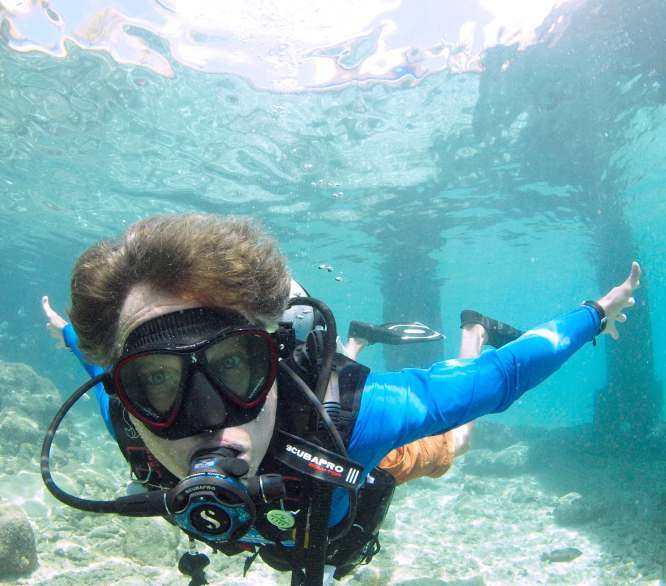
A two-week diving vacation is the perfect antidote to a long, stressful year.

Margo and I have built a business around facilitating these restorative getaways with Kids Sea Camp, and over the years, we’ve witnessed firsthand the transformative power of time off. (See our events calendar)

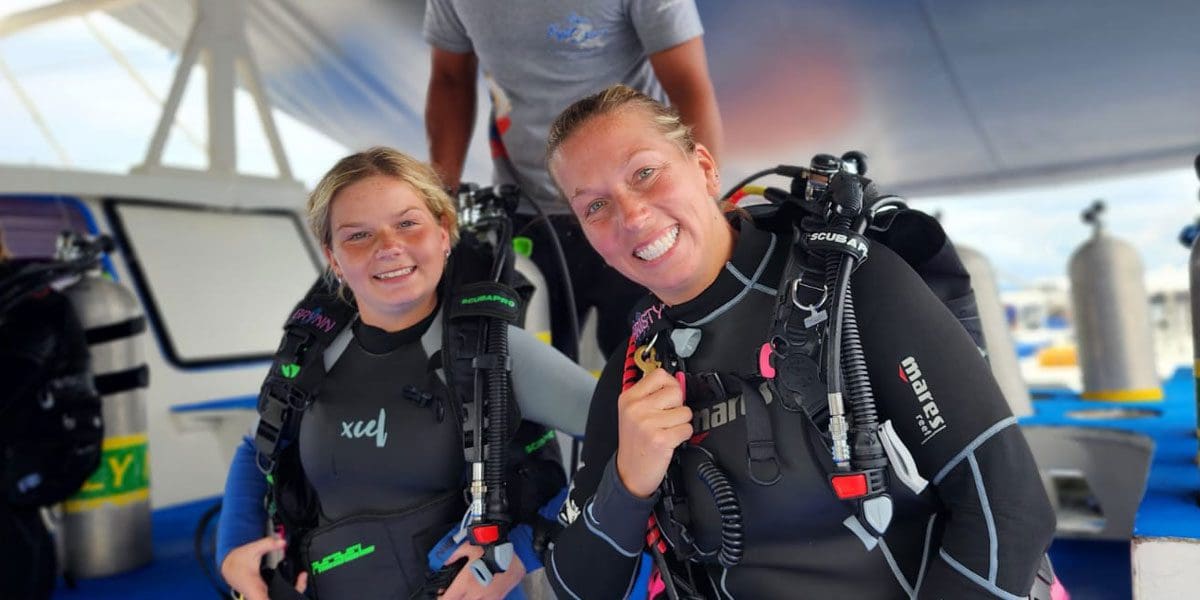
We recently led a four-week Kids Sea Camp trip to the Philippines with ten other families—about sixty people in total. While the trip was filled with the usual Kids Sea Camp highlights—incredible diving, wonderful families, fantastic accommodations, and rich cultural experiences—something else stood out. We observed a noticeable shift in people’s attitudes as they entered the second week of their two-week diving bliss. The pressures of work began to fade, replaced by a deep relaxation brought on by the stunning beauty of the Rock Islands and Yap.

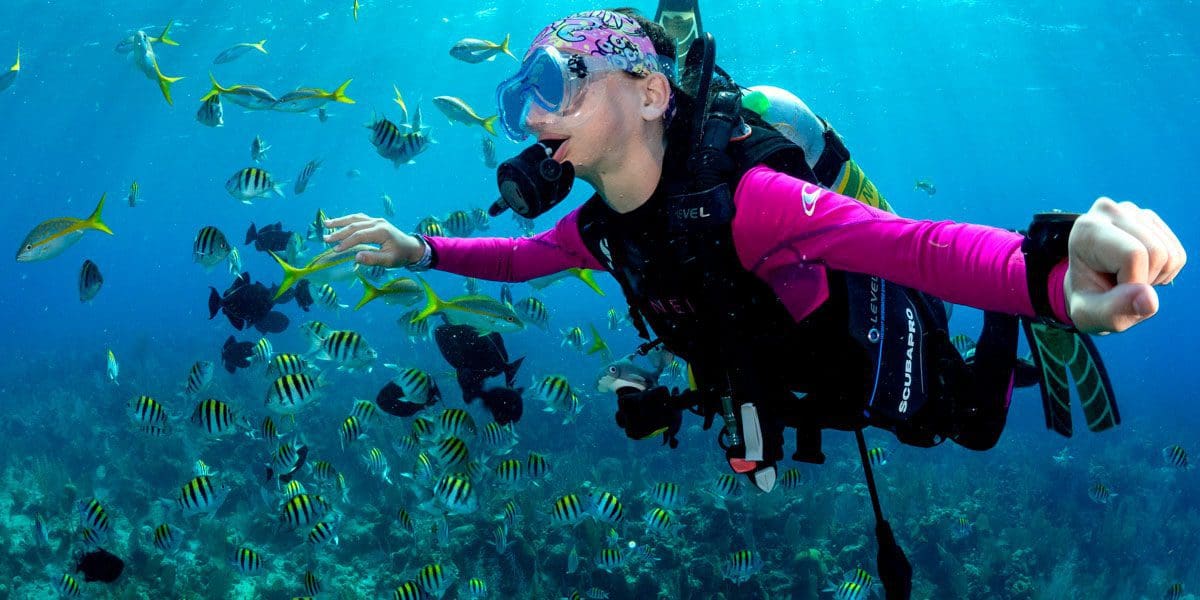
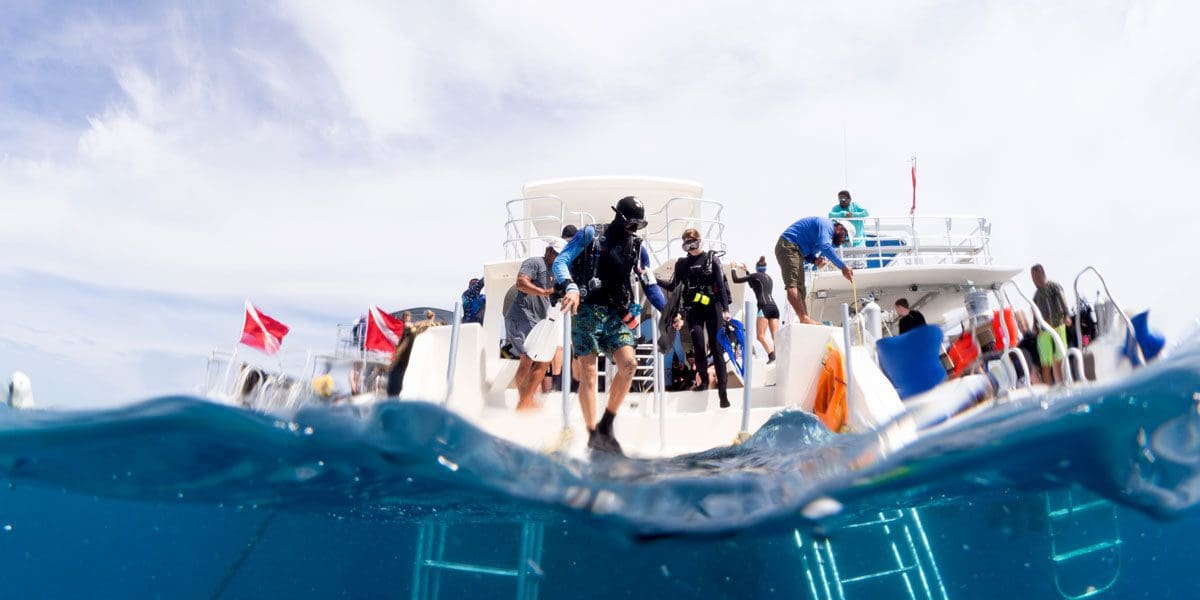
Days were spent connecting with each other during surface intervals and boat rides to incredible dive sites. Out in the middle of the ocean, cell phones and internet access were nonexistent, encouraging everyone to unplug, relax, and truly engage with one another. The diving itself was so captivating that thoughts of texting back home were replaced by the wonder of being forty feet underwater, surrounded by whale sharks. Our vacations naturally foster connection and relaxation, whether you intend it or not.

By the end of the two weeks, our clients were noticeably calmer, more peaceful, and friendlier—dare I say, blissful. This observation inspired me to research the importance of a two-week vacation. It turns out my “personal bliss” had a basis in scientific study. Researchers have discovered what I intuitively knew: two weeks away from work is significantly more beneficial than one.

The American Families and Work Institute has compiled some revealing statistics about vacation time:
  • The average employee has 16.6 paid vacation days but takes only 14.6.
  • More than 36% of employees don’t plan to use all their vacation time.
  • 37% take vacations of less than seven days.
  • Only 14% take a two-week vacation.
  • Employees report needing an average of three days to truly relax—that’s nearly half the length of a typical seven-day vacation.
  • Longer vacations have a greater positive psychological impact than shorter ones.
  • Most people feel better about their lives and work after taking time off and are more motivated to achieve their goals.
Other studies reinforce these findings
  • 70% of healthcare costs are stress-related.
  • 80% of workers experience stress on the job.
  • The human mind performs best in short bursts of intense activity followed by short breaks.
  • Our brains naturally shift from alertness to fatigue every 90 minutes.
  • Time off allows the mind and body to recover.

As Leaf Van Boven of the University of Colorado notes, “Vacations make us happier than material things because they can’t be compared to anyone else’s experience. They create lasting memories that fire off multiple parts of the brain and, as a result, stick with us. It’s our memories that tell us we like our lives.”

Dr. Mel Borins adds, “Getting away helps to distance yourself from stressful parts of your life. It can help restore your perspective, give you new viewpoints, and allow us to develop new strategies to cope.”

Tom Peyton

Tips on taking caring for your scuba gear

BCD care, Scuba Gear, Kids an diving

Healthy dive gear means healthy and safe diving

Your scuba gear is responsible for life support while you dive. Caring for your gear is one of the most important practices of Scuba diving. Your BC manages your buoyancy during your dive, your regulator takes care of your airflow, and your gauges ensure you can safely monitor your depth, time, and direction. Your fins, mask, and snorkel are most important for vision, movement, and ease of surface breathing. Of course, there are lots of accessories, like your dive computer, wetsuit, hood, boots, gloves, cameras, tanks, weights, and belts, that also require attention and care.

Keep your scuba gear in tip-top shape! Most scuba gear comes with instructional manuals that describe the manufacturer’s recommendations for care and maintenance.

Here are some general suggestions to help keep your scuba gear in tip-top shape:

  1. One good thing about scuba gear is that because it’s waterproof, you can wash it. In fact, all scuba gear should be rinsed in clean freshwater after every dive. Then it should be dried before being stored in a cool, dry place out of direct sunlight.
  2. Remember to dry the regulator and firmly replace the regulator’s dust cap before rinsing it to prevent water from entering the first stage. Ideally, rinse the regulator while it is still attached to the scuba tank and pressurized. That way, no water will enter at all.
  3. Have your scuba gear and equipment serviced regularly. Use clips and other attachments to keep all hoses and gauges close to your body while scuba diving. This prevents them from dragging across sharp rocks or coral. This also keeps them from getting snagged or dirty.  I recommend it regularly, once a year. This is very important so that you can feel confident that your gear is ready to serve you when you jump in.
  4. Don’t wait until you are on location in the much-awaited dive trip to the Galapagos, Palau, or the Cayman Islands, to name a few, before you figure out that your regulator is not working properly, or your BC is leaking or won’t inflate. Although most PADI dive resorts around the world that Kids Sea Camp and Family Dive Adventures send you to have state-of-the-art equipment and gear rental, it can be costly to rent gear by the day for the whole family. Having your own gear is less stressful and more comfortable to dive with, and if it’s kept in good condition, it will last for years of enjoyment.
  5. Handle scuba tanks with care. They are heavy, and you shouldn’t leave them standing up unattended – they can fall over and damage the valve or nearby toes. Remember, when you have used a tank, keep the cap off so the dive shop knows the tank needs attention.  Always make sure your tank is securely strapped to the boat you are diving on when your gear is hooked up. A fall can break or crack a valve and permanently damage the gear. Change your own tank over between dives, and make sure to check your pressure gauge to ensure you have a full tank when beginning a dive. Make sure to read the numbers on your tank, if you diving Nitrox, you should have a Nitrox label on the tank with the information on the label. Analyze your own mix and make sure to record the information. If you’re diving air, make sure your dive computers are set properly for pounds, bar, Nitrox, or air. Never dive air with your computer set for Nitrox.  Always make sure to examine your tank before a dive.
  6. You should rinse both the inside and outside of your BCD. Make sure to drain the water, then always store your BCD partially inflated. Make sure your BC inflates and deflates easily. It should fit comfortably, not too big, not too tight, and not cut into your skin.  If you have outgrown your BC, it’s well worth the investment to purchase a new one. ScubaPro makes BC’s with comfortable backplates for people with bad backs and kids who need extra support from the tank. The new BCs have pockets and integrated weight belts, and Air 2s are designed to be more streamlined in the water and much lighter to travel with.  Check out the ScubaPro Knight Hawk, LightHawk, and Go for the guys, the LadyHawk and Bella for the girls, and for kids, the SubGear rebel is my number one choice. (See our online Scuba Store)
  7. Regularly inspect your mask strap, fin straps, snorkel, and regulator mouthpieces and hoses for any sign of wear and tear. Sunlight, stretching, and teeth easily damage these items, so you might need to replace them sooner than expected. These are very important pieces of equipment. You would want to be comfortable in hiking shoes when hiking, or in tennis shoes when playing tennis, right? Well, diving is just as important. The wrong fins could give you leg cramps and blisters. Make sure to go down to your local dive shop and try on a pair of fins. For diving, you want a longer fin, not a short one; those are meant for snorkeling, not diving. I personally like the full foot fins, as they fit comfortably like a slipper on my feet, but most men prefer the clasp fins with booties. Your choice – fins should be kept in a place where they can hang or be completely flat. If you throw them into a bag or stand them in a box or closet, they will bend, curve, and lose their shape.
  8. Handle your scuba gear with care. After rinsing your wetsuit, wash it with wetsuit soap or scrub, then hang it inside out on a wire hanger to dry. CARING FOR YOUR GEAR IS IMPORTANT!
  9. Regulators and computers: Treat these as well as you do your laptop! I do not check these when traveling; I carry them with me. Always rinse properly and put them in their own separate case or bag to prevent damage. Make sure your computer’s battery is full and working, and make sure your reg-system has been serviced and is working properly.  For those looking for something new this year, I highly recommend the MK25 with the A700 ScubaPro regulator system and the Galileo Luna wrist computer, this is a hoseless air integrated computer, for avid divers.  I outfit my kids with the Lunas because I like the programmed safety-stop information, the dive-log capability, and the larger screens. The all-new Chromis wrist-worn sport watch computer for kids, or the Meridian dive computer/watch for adults who do not want air integration. (See our online Scuba Store)

Kids Sea Camp and Family Dive Adventures have been taking families diving for 26 years. If you have any questions or would like some advice on your dive gear needs or care, please give Margo a call. 803-419-2556. 

Top Kids Sea Camp travel tips!

Dive travel tips, Kids and scuba

The top tips for your dive trips with Kids Sea Camp week!

These are some of the things most travelers have forgotten on our dive trips to our Kids Sea Camp weeks.

  1. Check your equipment!
  2. Make sure you have it all! Mark your equipment with your name or symbol before you’re on the boat. It all sorts of looks the same once you are on the boat.
  3. Don’t forget toothpaste for your mask. And just in case, get your defog before heading to the island.
  4. Pack your Certification card and logbook.
  5. Bring your boat items, like sunglasses, rain gear, and comfortable boat shoes.
  6. Bring your medical items
  7. Passports
  8. Check your flights the day before.
  9. Credit cards: call before you leave and tell them you are in a foreign country.
  10. Ziploc bags
  11. Passports (in case you forgot already)
  12. Have fun, but expect delays. Traveling to an island really is a delay waiting to happen. So have fun, be patient, and enjoy Kids Sea Camp.