What to bring, what to pack, where to go, and how to plan:
Planning a dive trip can be a lot of work, so having a family travel expert like Kids Sea Camp handle it makes the process fun and incredibly rewarding. Here are a few tips to help you plan a successful family dive trip:
- Start by planning early. The earlier you start planning, the more time you’ll have to research destinations, book flights, and accommodation, and get everyone’s dive gear needs together.
- Choose the right destination. When choosing a dive destination, consider factors such as the type of diving you want to do, the time of year, and your budget.
- Book your flights and accommodation early. The earlier you book, the more likely you are to get the best deal and the most direct flights.
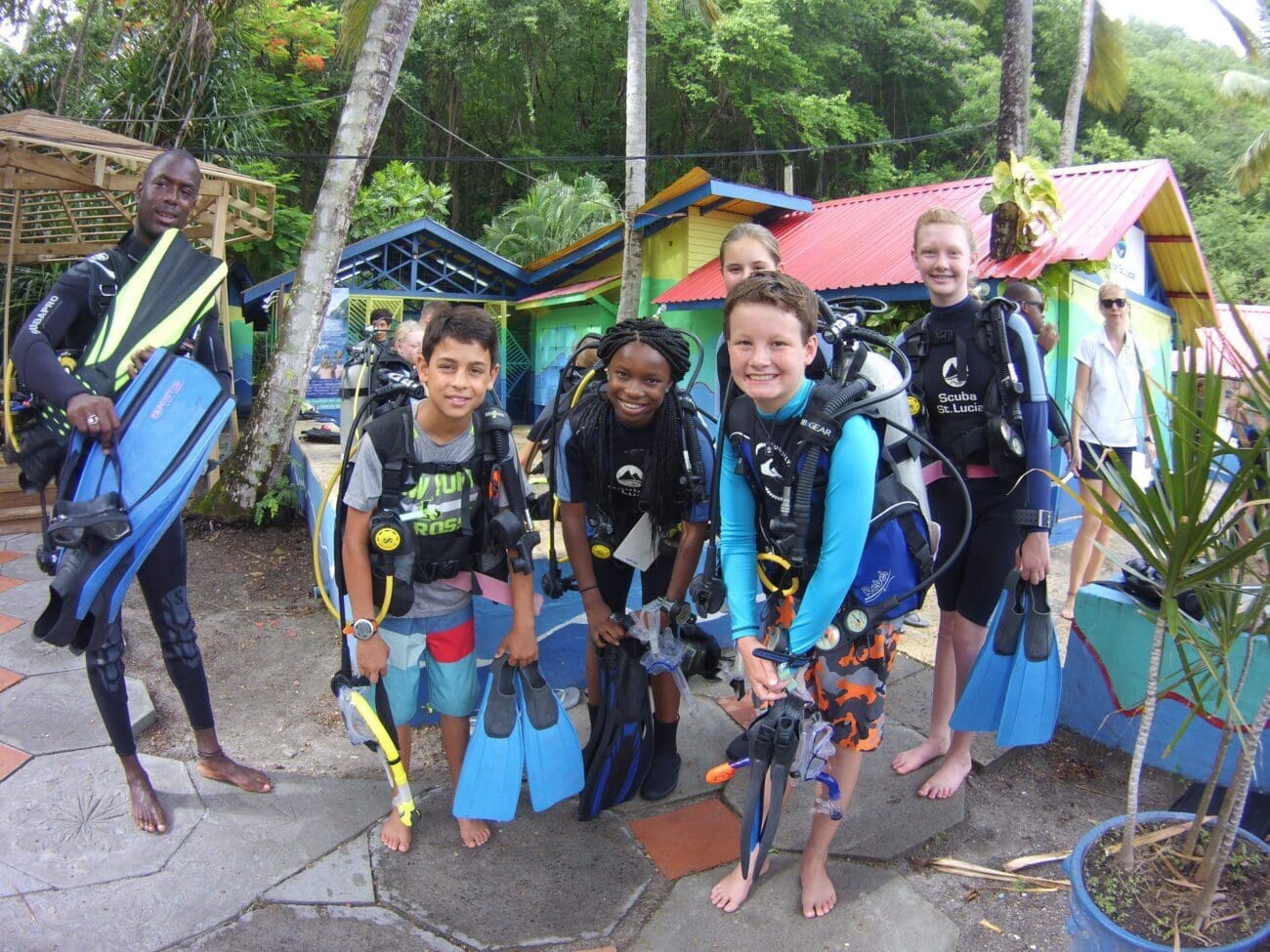
- Get everyone’s gear together. Ensure you have a list of what is needed and what you have. If you’re going to rent dive gear, planning early ensures sizes and needs are met. Dive gear is a very personal item, and kids should at least have a wetsuit, mask, fins, and snorkel. Kids Sea Camp is #1 in outfitting kids with scuba gear needs.
- To ensure everyone’s safety and comfort, talk to your dive professional about dietary needs, special needs, concerns, and expectations. The more we know, the better we can meet your needs.
- Be flexible. Things don’t always go according to plan, so be prepared to make changes if necessary.
Here are some additional tips that you may find helpful
- Do your research. Before you book anything, take some time to research your destination. Read online reviews, talk to other divers, visit our website, and look at the Dive training and services offered, client comments, and the photo gallery.
- Get travel and dive insurance. This is always a good idea, but it’s especially important for dive trips. Travel insurance can cover you in a medical emergency, lost luggage, or other unexpected events.
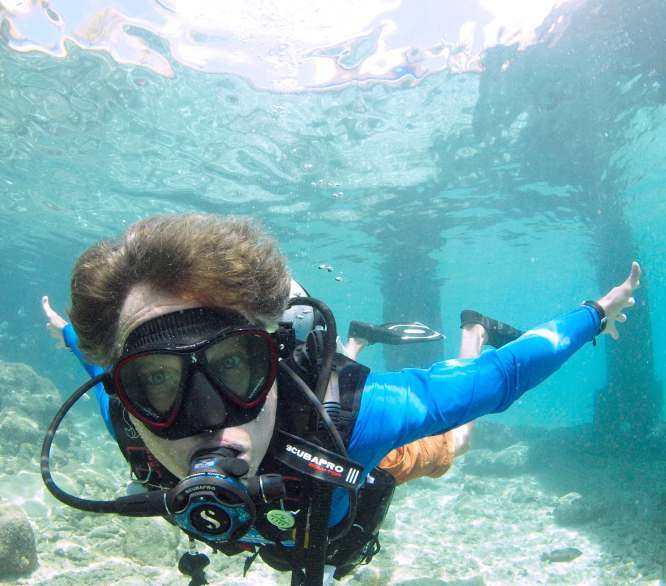
- Pack light. Bring what you need and consider lighter bags, and more travel-friendly dive gear, such as the SCUBAPRO Lighthawk BCD or the Rebel, which are specifically made for compact and lightweight design.
- Be prepared for the unexpected. Things don’t always go according to plan, so be ready for the unexpected. Bring 1 day’s worth of items in your carry-on in case of baggage delay. Pack snacks and stay hydrated during travel days. Have a second copy of your trip documents and passports in a separate carry-on.
- Have fun! Dive trips are a great way to see the world and connect with like-minded families. So relax, enjoy yourself, and allow us to create memories that will last a lifetime.
Additional Tips for Planning a Family Dive Vacation
When planning a family dive vacation, there are a few additional things to keep in mind:
- Consider your family members’ ages and abilities. Not all dive sites are appropriate for all ages and abilities. Be sure to choose a destination suitable for everyone in your group. Give us a call and talk to any of our dive instructor team to answer your questions.
- Not everyone is a certified diver. Before you book your trip, make sure everyone in your group has the proper training and certification. Kids aged 5-7 can do our SASY program, and Kids aged 8 and 9 can participate in Seal Team. Kids as young as 10 can become PADI-certified divers.
- Be aware of the risks involved in diving. Diving can be dangerous if safety protocols are not followed. Be sure to educate yourself about the kids’ depth limits and restrictions. Talk to your family doctor about any conditions or concerns before scuba diving.
- Call Kids Sea Camp and Family Dive Adventures today to start planning your next great family adventure vacation. We look forward to serving you: 25 years and over 8000 youth scuba certifications. We are #1 in the dive industry regarding kids, diving, and family dive vacations.
- With some planning, you can easily organize a successful family dive vacation that everyone will enjoy.
By Margo Peyton (see link)