Ear clearing techniques for divers

ears and diving, kids sea camp, clearing skills

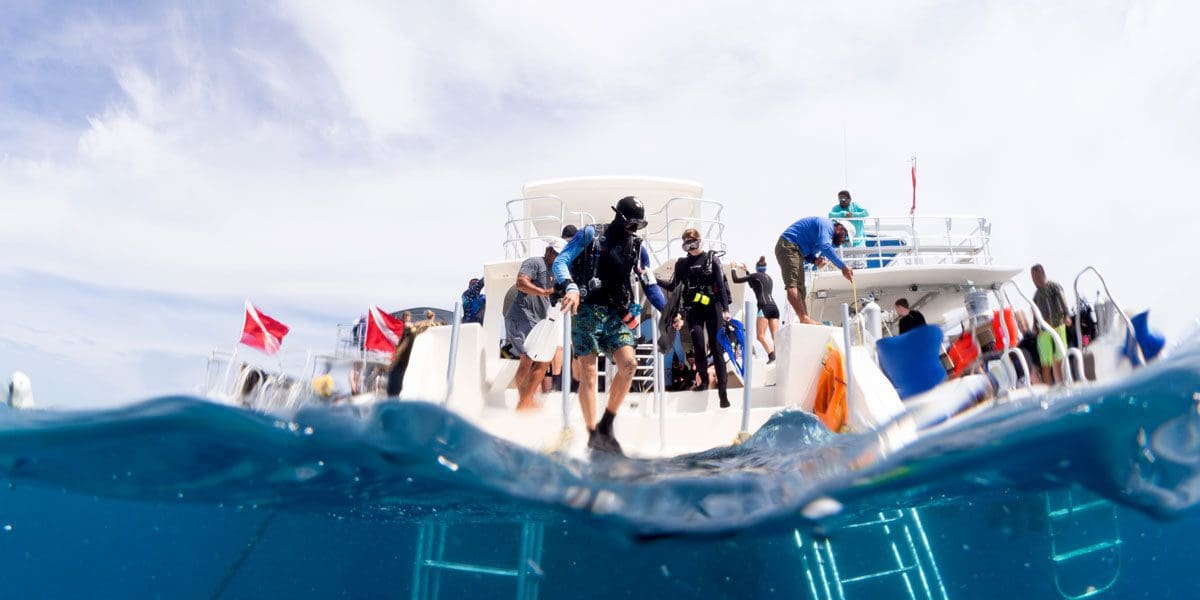
You just can’t go diving with your ear blocked

Ear clearing and diving go hand in hand when you jump into the ocean. Here are a few ear-clearing techniques for divers that will help most divers equalize more easily.

In diving, the Valsalva maneuver is often used during descent to equalize the pressure in the middle ear with ambient pressure. Performed properly — pinching your nose shut while exhaling — most divers can descend without any problems. But for some divers, the technique doesn’t help.

You should never continue with descent if you are experiencing ear pain. But before you give up on a dive — or diving altogether — try a few of these ear-clearing techniques and suggestions.

  • Listen, you should hear a “click or pop.” Before you even board the boat, make sure that when you swallow, you hear a “click or pop” in both ears. This tells you that both Eustachian tubes are opening.
  • Start early. Several hours before the dive, begin gently equalizing your ears every few minutes. Some people can swallow or chew gum to clear their ears; this seems to help because it prompts them to swallow more often. I don’t recommend chewing gum while diving, as you may swallow it and choke.
  • Equalize at the surface. “Pre-pressurizing” at the surface helps most divers get past the critical first few feet of descent. It may also inflate your Eustachian tubes, making them slightly larger. Not all medical authorities recommend this, however. The lesson here is to pre-pressurize only if it seems to help you and to pressurize gently.
  • Descend feet first. Studies have shown a Valsalva maneuver requires 50 percent more force when you’re in a head-down position than head-up.
  • Look up. Extending your neck and wiggling your jaw tends to open your Eustachian tubes.
  • Use a descent line. Pulling yourself down on an anchor or mooring line helps control your descent rate more precisely. A line also helps you stop your descent quickly if you feel the pressure. Don’t rush just because others are faster. If you know you have trouble, let your buddy and/or the divemaster know so that someone is waiting with you. If on a recreational dive boat, the divemaster could give you a little more time by getting in first.
  • Stay ahead. Equalize often, trying to maintain a slight positive pressure in your middle ears. Don’t wait until you feel pressure or pain.
  • Stop if it hurts. Your Eustachian tubes are probably locked shut by the pressure differential. Ascend a few feet and try equalizing again.
  • Avoid milk. Some foods, including milk, can increase your mucus production.
  • Avoid tobacco and alcohol. Both tobacco smoke and alcohol irritate your mucus membranes, promoting more mucus that can block your Eustachian tubes.
  • Keep your mask clear. Water up your nose can irritate your mucous membranes, which then produce more of the stuff that clogs.

If you get congested during the dive and have trouble ascending, stop and try to clear, then ascend slowly. Use the anchor line if you need more control. Don’t dive with a cold or congestion.

Alternative Clearing Techniques

There are problems with the traditional Valsalva maneuver: It may not work if the tubes are already locked by a pressure differential, and it’s all too easy to blow hard enough to damage something. Divers who experience difficulty equalizing may find it helpful to master some alternative techniques.

  • Toynbee Maneuver. With your nostrils pinched or blocked against your mask skirt, swallow. Swallowing opens your Eustachian tubes, while the movement of your tongue, with your nose closed, compresses air against them.
  • Lowry Technique. A combination of Valsalva and Toynbee: while closing your nostrils, blow and swallow at the same time.
  • Edmonds Technique. While tensing the soft palate and throat muscles and pushing the jaw forward and down, do a Valsalva maneuver.
  • Frenzel Maneuver. Close your nostrils, and close the back of your throat as if straining to lift a weight. Then make the sound of the letter “K.” This forces the back of your tongue upwards, compressing air against the openings of your Eustachian tubes.
  • Voluntary Tubal Opening. Tense the muscles of the soft palate and the throat while pushing the jaw forward and down as if starting to yawn. These muscles pull the Eustachian tubes open. This requires a lot of practice, but some divers can learn to control those muscles and hold their tubes open for continuous equalization.

How safe is scuba diving?

Kids Scuba, Family Scuba Diving Adventures, Kids Sea Camp, Margo Peyton, Family scuba diving

Jerry Seinfeld is wrong. Scuba diving is safe.

This morning, seeking inspiration to write, I listened to Seinfeld joking about scuba diving. He observes that scuba diving is the only activity where your main goal is simply not die. You spend the whole time thinking, “Don’t die… swim and breathe because living is good.” Comedy aside, let’s look at the numbers. While Jerry is a master of comedy, his take on diving falls short. Scuba diving is, in fact, exceptionally safe—even when sharks are involved. The reality is that diving ranks among the safest activities you can choose.
Scuba diving versus other human activities

By the numbers

Scuba diving death rate: 1 out of every 211,864 dives ends in death, according to DAN (2010 workshop report). For example, with about 2,000 dives in my scuba career, my statistical risk is roughly 1 in 106,000. Margo, with 7,500 dives so far, would have a statistical risk of approximately 1 in 28,000. However, these numbers show that scuba diving remains statistically safe. In fact, a DAN study on DCS (Decompression sickness) states that from 1998 to 2004, across 105,135 dives, 95% were “uneventful.”
To clarify, this means that the vast majority of dives encountered no significant issues. Of the 5% who experienced problems, the most common, affecting 2.7% of dives, was equalization, which simply involves adjusting ear pressure to accommodate underwater changes. Buoyancy control, which is adjusting your body’s position in the water, was a problem in 0.9% of dives. The face mask was the next issue at 0.69%, with dive computer issues trailing at 0.4%. Overall, diving seems pretty darn safe.
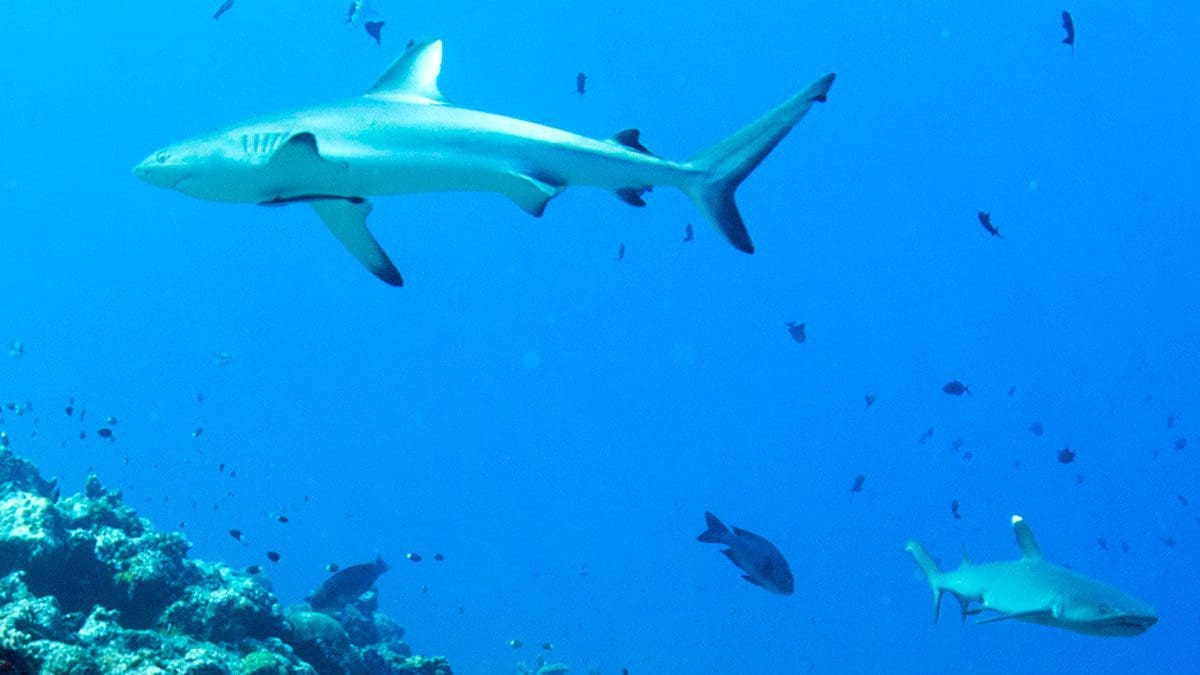
Shark accidents: Just because it’s fun to talk about sharks and diving, and at one time, one of my biggest fears, sharks will kill me. It is simply not true. While the number of attacks fluctuates slightly year-to-year based on beach attendance and environmental factors, the overall danger remains minuscule: Average Attacks: Recent years (2020–2025) have averaged roughly 63–80 unprovoked bites per year. Fatalities: The global average for deaths remains around 5 to 6 people annually, which is incredibly low considering the millions of people who enter the water. Odds: The statistical likelihood of being killed by a shark is approximately 1 in 4.3 million.
  1. Human accidents: As far as the sharks that are reading this blog, well, our ” finned friends” need to stay away from us. Sharks vs. humans — humans win, we kill about 100 million sharks a year. Most of it is due to “finning”.
  2. Car accidents: I would advise not getting in your car today. To make this comparison fair, let’s look at it this way: for every 10 million car trips taken in the U.S., approximately 180 end in fatalities. This method makes it clear that, relative to scuba diving, the dangers of everyday car travel are notably greater.
  3. Birth: This is not the stat of the week at all, but giving birth can be risky. 1 out of every 7,692 women dies due to complications in childbirth (NCHS).
  4. Jumping out of an airplane: First, if you’re doing it, God bless you. Margo has done it, and she says she still misses skydiving. But ain’t no way I’m jumping out of a perfectly good airplane. Anyway, the rate is not as bad as I thought. 1 out of every 116,666 skydives ends in death. So I guess, keep “free falling”, without me. (United States Parachuting Association)
  5. Running: Being healthy can be dangerous. For comparison, 1 out of every 126,626 marathon runners died of sudden cardiac arrest during a run (1975-2003, NSC), highlighting how rare this event is.
  6. Falling out of bed: To put all this in a better light, falling out of bed is a real killer. In any single year, 1600 or so people will die by falling out of their beds.

The data is clear—Let’s go diving

So it seems that, based on available data, the risks associated with being underwater may be lower than those we encounter in our daily lives. All the more reason to jump on a plane and head to a Kids Sea Camp week and go diving. If you’re hesitant, why not start with a discovery dive class at a nearby dive shop? This low-commitment step provides a safe environment to experience the thrill of scuba diving without a major time or financial investment. Testing the waters can transform reassurance into enthusiastic exploration.
Being with Margo has shown me that “fear” is the real killer in life. And more than anything, it is fear that keeps us from doing what we love.
So, what do all these numbers and odds mean to me? Well, we really live in a fairly safe world. And even as we do all these fun and adventurous activities, we are more than likely going to live long and healthy lives.
If we keep living the “Kids Sea Camp” life, we’ll create stories that outlast us, and after years, you’ll see scuba diving is safe.

My Palau Kids Sea Camp family trip journal

Palau, Sharks, Kids and diving
Palau Kids Sea Camp journey

Even though it was 10 P.M. Palauan time, we were greeted by some native girls and boys dressed in native attire. They placed leaves on us made of local flowers interlaced in palm fronds. It was late at night when we arrived at The Palau Royal Resort, so I went straight to sleep.

Sunday

I woke up this morning still adjusting to the humidity and heat (82 degrees F and sunny). From the balcony, I saw a breathtaking view. For the first time, my Mom woke up early and actually wanted to stay awake. The tall limestone cliffs, each inch covered with lush, green growth, dip into crystal-clear blue water. There was no smog, so I could see to the end of the Earth. We headed down to an unusual breakfast buffet. It had a combination of American, Japanese, Korean, and Taiwanese foods. Taking snorkeling gear from the dive shop, we headed out to the dock for our boat tour of the Islands and Jelly Lake. It was amazing! The boat ride took us through more lush green islands, unspoiled by mankind, sticking up like broccoli heads.

Jellyfish Lake was incredible!

This was my first time ever touching a Jellyfish (that didn’t sting). The Jellyfish in Jelly Lake have lost their ability to sting because they have no need to. Jelly Lake is an isolated saltwater lake with no predators to eat the jellies and no fish for the jellyfish to hunt. Now they rely on internal algae for food, following the sun during the day, but at night they go down into a highly toxic (to humans) nitrogen-rich layer of water to fertilize the algae.

Palau, Kids Sea Camp, Sam's ToursLater that day, we had a BBQ lunch. I made a new friend. Her name is Callie. She is 10 years old, blonde, and energetic, and she is a certified diver like me. We all loaded back up onto the boat and headed for a snorkel at Clam City. The Clams there, Mackenzie. She is younger than me, 8, and in the Kids Sea Camp’s sassy program. From Clam City, we went back to the resort, explored a bit, and then we got ready for our welcome dinner at the Sea Passion resort.

We knew the President of Palau was coming that evening, so I put on my best dress. We had an exuberant welcome by native dancers and a native ritual of “Calling of the Canoe”. The President of Palau gave a welcoming speech in which he spoke about the islands of Palau and how much he enjoyed having us there. A week before our arrival, he had declared to the United Nations that Palau was the first and only “Shark Sanctuary” in the world. I got to shake his hand, take a picture with him, and all the kids at Kids Sea Camp.

Monday:

On the second day, we had the unusual breakfast again and headed over to Sam’s Tours for our first dive. There I was assigned to the “Whale Shark” boat, where I met some of the other Junior Open Water Divers and our Dive guides.

German Channel

Our first dive took us on a one-hour boat trip winding through the Palauan islands to a location named German Channel. We sighted a 6-foot Manta Ray, lots of corals, a porcupine fish, and lots of sharks. The German Channel is a cleaning station for all fish. In this area, fish from all over the ocean stop to let cleaner wrasses safely clean large predatory fish that would otherwise eat them. This makes the German Channel a safe and amazing place to view lots and lots of ocean creatures.

The lunch spot was awesome! We went to a private white-sand beach with the ocean on both sides and large coconut palms for shade along the edges of a dense jungle. I went swimming and shell collecting with my friend Callie.

The second dive of the day was named “Big Drop Off”. This dive is a wall drift dive. Along with wide varieties of fish, we found a lizardfish and a Nudibranch among the corals and sea fans that covered the wall.

We returned to the resort and got ready for our next evening. Dinner was served at an Indian restaurant named the Taj. They served us a delicious dinner of different and interesting Indian foods. That evening, we had interesting Indian dancers about my age. They did a bunch of dances, changing clothes between each one. Some of the dances had veils, and some had little bells all over the outfits – like belly dancers. They were quite impressive.

Tuesday

Once again, we had breakfast and headed out to the German Channel. We were met by a lot of rain coming sideways at us like bullets as we sped along in the boat. At German Channel, we saw two humongous Manta Rays, the size of cars, at the cleaning stations; 28 sharks – all different kinds – white tip, black tip, and reef – the size of surfboards; a Green Sea turtle; and some very interesting sea stars. An excellent and lucky dive!

We had another fabulous lunch – a chicken bento box. This time we had lunch at Sam’s Tours because of the rain.
The second dive took us through rough surf to the Blue Corner dive site. Since I was limited as a Junior Open Water diver to 40 feet, this dive was ok. We saw one puffer fish, two warty sea slugs, and some starfish amongst schools of triggerfish, butterflyfish, and bannerfish.

That evening, we went to the Sea Passion for another exquisite dinner. That day, we had the Polynesian dancers. There wasn’t much singing like before, but there were some instruments, like a hollowed-out gourd made into a drum and two frayed sticks that sounded like rain and thunder when put together. That night we went home (back to the hotel) and slept like rocks.

Wednesday

That day, I awoke to something very unusual – it was absolutely pouring rain. We headed down to breakfast and tried to avoid the downpour. After breakfast, we headed down to the dive shop and hopped on the boat. My guide, Alex, warned me that I still needed to put on sunscreen even if the sun wasn’t visible. Once again, the rain was coming into the boat sideways as we sped over to the German Channel. That day, I wore my wetsuit before I even got into the water.

One thing about SCUBA is that if it rains, it doesn’t matter because you are below water! That day I saw schoolmasters, horse-eyed jacks, squirrel fish – the usual hordes of schools and corals. I didn’t see much in the channel, unique or extra large, on this dive.

Blue Corner

That afternoon, we headed out to Blue Corner – also there, I didn’t see any unique fish – a large puffer, but I was told that the adults down at 70 feet saw quite a few sharks. The Teen Divers also had a painting lesson with a funny artist who travels with Kids Sea Camp around the world, teaching children how to paint.

After the painting, I did my first night dive. It was amazing, I saw several interesting Sea Cucumbers and fish. All of them were hiding. That night, we had the Yap dancers. Yap is a very small island just northeast of Palau. We were told we were going to girls dancing, but instead they sent the young men with bo staffs. As soon as our heads hit the pillow, we fell asleep.

Thursday – Thanksgiving

It was my first time celebrating Thanksgiving outside of America. I was told that the locals don’t really celebrate the holiday, other than going to church. Catholicism is the main religion. They do celebrate Halloween there.

It was a sunny day as we headed out on the Silvertip boat to our morning German Channel dive. There I saw one large Manta Ray going into the cleaning station and a couple of sharks. I was surprised that the sharks were so large.
I must say it was quite a thrill to be diving with them. My dive guide told me that in thousands of dives, there have never been any issues with the sharks. They are in the channel as part of their lifestyles and don’t bother with us divers.

Jake’s Seaplane

After a fabulous lunch on the beach, we went to Jake’s Seaplane. This dive spot features an interesting plane wreck and a lot of diverse coral. It’s down about 40 feet, so perfect for Junior Open Water Divers. There were lots of Parrotfish. Part of the plane’s right wing was missing. I found it 20 feet away, hollow and covered in corals. The plane was a WWII plane – I don’t know whose.

We did a third dive at 10 feet for 15 minutes, where I saw a puffer fish and my first Mandarin Fish. It was soooo cute. A native of this area with large yellow lips, green to its forehead, blue chin, orange body, and blue squarish circles all over its body.

We went to Sea Passion for dinner. The four turkeys were baked in four different ways, along with several other sides, including cornbread, mashed potatoes, gravy, corn, and cranberry sauce. That evening, we made a sand Manta Ray on the beach about the size of the real deal. With my guide and new best friend’s boyfriend, Paul, who made a sand shark with the boys.

Friday

Our last day diving. My first dive was the German Channel, and almost as if there was a going-away send-off, we saw a large Manta Ray, sharks, and lots of interesting Fish. After that dive, we went back to the dive shop for lunch and caught up with our parents. We went to the Light House dive site, where we dove as a family, just the four of us, with two guides. This was my father’s 100th dive, making him a century diver. My mother got her century dive in a few days before. It was a great dive with loads of fire corals, lizardfish, and bubbles.

Saturday

Today is my last day in Palau. I am not pleased to be leaving. We made a lot of friends in Palau. My guide, Alex, I will miss. I wish I could stay. I went to a beautiful waterfall with my dad. We went under two waterfalls and jumped off small ledges into a pool along the river’s path. There was a lot of mud, and one time I actually got stuck. I think my Keens were a little less pink after that hike.

We went to the stone head garden

Some looked happy, sad, or angry. There we had lunch. The usual Bento boxes, but this time we had some traditional Palauan food like candied tapioca and fresh coconut milk/meat. After that, we headed back to the hotel, stopping at the Capitol building.

When we got back, we packed up our stuff, took a shower, and headed over to Sam’s tours for the graduation ceremony. There was a whole cooked pig! There was a ceremony for each group: adults, teens, sassy/seals, and junior open waters. Then there was the poem contest. The poem that my mom and I worked on the evening before got first place (out of like 20 poems).

We won an underwater digital camera.

We then watched the video made by Nick Martirano, who followed us around all week, said our last goodbyes, and headed for the airport. I practically cried all the way there. We arrived at the airport for our treacherous flights to Colorado. I slept most of the way through it. The odd part was that it started on Saturday, then Sunday, then Saturday again, and finally, we got home on Sunday morning at 5 A.M.
Final thoughts

I think Palau is one of the best places for families to go in the entire world. Kids Sea Camp is a great place to meet new people and learn about the world’s different cultures. Palau is one of the best places to go diving. Magnificent Mantas and Sharks. Try to go there at least once in your lifetime. Thank you, Margo Peyton and Kids Sea Camp!

Jane Colon-Bonet’s Kids Sea camp Adventure, Palau trip Journal

Two-week diving vacations create better emotional, physical, and workforce health

Bonaire, Diving with Kids, Tom Peyton
A two-week diving vacation is the perfect antidote to a long, stressful year.

Margo and I have built a business around facilitating these restorative getaways with Kids Sea Camp, and over the years, we’ve witnessed firsthand the transformative power of time off. (See our events calendar)

We recently led a four-week Kids Sea Camp trip to the Philippines with ten other families—about sixty people in total. While the trip was filled with the usual Kids Sea Camp highlights—incredible diving, wonderful families, fantastic accommodations, and rich cultural experiences—something else stood out. We observed a noticeable shift in people’s attitudes as they entered the second week of their two-week diving bliss. The pressures of work began to fade, replaced by a deep relaxation brought on by the stunning beauty of the Rock Islands and Yap.

Days were spent connecting with each other during surface intervals and boat rides to incredible dive sites. Out in the middle of the ocean, cell phones and internet access were nonexistent, encouraging everyone to unplug, relax, and truly engage with one another. The diving itself was so captivating that thoughts of texting back home were replaced by the wonder of being forty feet underwater, surrounded by whale sharks. Our vacations naturally foster connection and relaxation, whether you intend it or not.

By the end of the two weeks, our clients were noticeably calmer, more peaceful, and friendlier—dare I say, blissful. This observation inspired me to research the importance of a two-week vacation. It turns out my “personal bliss” had a basis in scientific study. Researchers have discovered what I intuitively knew: two weeks away from work is significantly more beneficial than one.

The American Families and Work Institute has compiled some revealing statistics about vacation time:
  • The average employee has 16.6 paid vacation days but takes only 14.6.
  • More than 36% of employees don’t plan to use all their vacation time.
  • 37% take vacations of less than seven days.
  • Only 14% take a two-week vacation.
  • Employees report needing an average of three days to truly relax—that’s nearly half the length of a typical seven-day vacation.
  • Longer vacations have a greater positive psychological impact than shorter ones.
  • Most people feel better about their lives and work after taking time off and are more motivated to achieve their goals.
Other studies reinforce these findings
  • 70% of healthcare costs are stress-related.
  • 80% of workers experience stress on the job.
  • The human mind performs best in short bursts of intense activity followed by short breaks.
  • Our brains naturally shift from alertness to fatigue every 90 minutes.
  • Time off allows the mind and body to recover.

As Leaf Van Boven of the University of Colorado notes, “Vacations make us happier than material things because they can’t be compared to anyone else’s experience. They create lasting memories that fire off multiple parts of the brain and, as a result, stick with us. It’s our memories that tell us we like our lives.”

Dr. Mel Borins adds, “Getting away helps to distance yourself from stressful parts of your life. It can help restore your perspective, give you new viewpoints, and allow us to develop new strategies to cope.”

Tom Peyton

Tips on taking caring for your scuba gear

BCD care, Scuba Gear, Kids an diving

Healthy dive gear means healthy and safe diving

Your scuba gear is responsible for life support while you dive. Caring for your gear is one of the most important practices of Scuba diving. Your BC manages your buoyancy during your dive, your regulator takes care of your airflow, and your gauges ensure you can safely monitor your depth, time, and direction. Your fins, mask, and snorkel are most important for vision, movement, and ease of surface breathing. Of course, there are lots of accessories, like your dive computer, wetsuit, hood, boots, gloves, cameras, tanks, weights, and belts, that also require attention and care.

Keep your scuba gear in tip-top shape! Most scuba gear comes with instructional manuals that describe the manufacturer’s recommendations for care and maintenance.

Here are some general suggestions to help keep your scuba gear in tip-top shape:

  1. One good thing about scuba gear is that because it’s waterproof, you can wash it. In fact, all scuba gear should be rinsed in clean freshwater after every dive. Then it should be dried before being stored in a cool, dry place out of direct sunlight.
  2. Remember to dry the regulator and firmly replace the regulator’s dust cap before rinsing it to prevent water from entering the first stage. Ideally, rinse the regulator while it is still attached to the scuba tank and pressurized. That way, no water will enter at all.
  3. Have your scuba gear and equipment serviced regularly. Use clips and other attachments to keep all hoses and gauges close to your body while scuba diving. This prevents them from dragging across sharp rocks or coral. This also keeps them from getting snagged or dirty.  I recommend it regularly, once a year. This is very important so that you can feel confident that your gear is ready to serve you when you jump in.
  4. Don’t wait until you are on location in the much-awaited dive trip to the Galapagos, Palau, or the Cayman Islands, to name a few, before you figure out that your regulator is not working properly, or your BC is leaking or won’t inflate. Although most PADI dive resorts around the world that Kids Sea Camp and Family Dive Adventures send you to have state-of-the-art equipment and gear rental, it can be costly to rent gear by the day for the whole family. Having your own gear is less stressful and more comfortable to dive with, and if it’s kept in good condition, it will last for years of enjoyment.
  5. Handle scuba tanks with care. They are heavy, and you shouldn’t leave them standing up unattended – they can fall over and damage the valve or nearby toes. Remember, when you have used a tank, keep the cap off so the dive shop knows the tank needs attention.  Always make sure your tank is securely strapped to the boat you are diving on when your gear is hooked up. A fall can break or crack a valve and permanently damage the gear. Change your own tank over between dives, and make sure to check your pressure gauge to ensure you have a full tank when beginning a dive. Make sure to read the numbers on your tank, if you diving Nitrox, you should have a Nitrox label on the tank with the information on the label. Analyze your own mix and make sure to record the information. If you’re diving air, make sure your dive computers are set properly for pounds, bar, Nitrox, or air. Never dive air with your computer set for Nitrox.  Always make sure to examine your tank before a dive.
  6. You should rinse both the inside and outside of your BCD. Make sure to drain the water, then always store your BCD partially inflated. Make sure your BC inflates and deflates easily. It should fit comfortably, not too big, not too tight, and not cut into your skin.  If you have outgrown your BC, it’s well worth the investment to purchase a new one. ScubaPro makes BC’s with comfortable backplates for people with bad backs and kids who need extra support from the tank. The new BCs have pockets and integrated weight belts, and Air 2s are designed to be more streamlined in the water and much lighter to travel with.  Check out the ScubaPro Knight Hawk, LightHawk, and Go for the guys, the LadyHawk and Bella for the girls, and for kids, the SubGear rebel is my number one choice. (See our online Scuba Store)
  7. Regularly inspect your mask strap, fin straps, snorkel, and regulator mouthpieces and hoses for any sign of wear and tear. Sunlight, stretching, and teeth easily damage these items, so you might need to replace them sooner than expected. These are very important pieces of equipment. You would want to be comfortable in hiking shoes when hiking, or in tennis shoes when playing tennis, right? Well, diving is just as important. The wrong fins could give you leg cramps and blisters. Make sure to go down to your local dive shop and try on a pair of fins. For diving, you want a longer fin, not a short one; those are meant for snorkeling, not diving. I personally like the full foot fins, as they fit comfortably like a slipper on my feet, but most men prefer the clasp fins with booties. Your choice – fins should be kept in a place where they can hang or be completely flat. If you throw them into a bag or stand them in a box or closet, they will bend, curve, and lose their shape.
  8. Handle your scuba gear with care. After rinsing your wetsuit, wash it with wetsuit soap or scrub, then hang it inside out on a wire hanger to dry. CARING FOR YOUR GEAR IS IMPORTANT!
  9. Regulators and computers: Treat these as well as you do your laptop! I do not check these when traveling; I carry them with me. Always rinse properly and put them in their own separate case or bag to prevent damage. Make sure your computer’s battery is full and working, and make sure your reg-system has been serviced and is working properly.  For those looking for something new this year, I highly recommend the MK25 with the A700 ScubaPro regulator system and the Galileo Luna wrist computer, this is a hoseless air integrated computer, for avid divers.  I outfit my kids with the Lunas because I like the programmed safety-stop information, the dive-log capability, and the larger screens. The all-new Chromis wrist-worn sport watch computer for kids, or the Meridian dive computer/watch for adults who do not want air integration. (See our online Scuba Store)

Kids Sea Camp and Family Dive Adventures have been taking families diving for 26 years. If you have any questions or would like some advice on your dive gear needs or care, please give Margo a call. 803-419-2556. 

Intelligent Travel (Kids Sea Camp Palau) by National Geographic author Rainer Jenns

Palau, Kids and scuba, Margo Peyton
Amazing traveling with your kids with Kids Sea Camp

Anyone with young kids certainly knows about the lifestyle changes needed to raise children. Among other things, you just can’t go out as much or stay up as late as you did before children (BC). And when it comes to traveling, most parents feel obligated to forgo their dream trips or favorite vacation activities in favor of more family-friendly destinations and accommodations that cater to kids.

This seems particularly true for scuba divers, who too often take a complete sabbatical from the sport while raising their kids. After all, how are moms and dads supposed to go diving with young children in tow?

Palau, family dive vacation, family vacations, kids sea campMy wife and I found ourselves in this boat after our boys were born, and although I still managed to finagle my way back in the water every now and then, Carol and I rarely”‘buddied up” underwater, and we certainly weren’t planning vacations that revolved around diving like we once did.

10-year-olds can now become certified divers

I learned that compromising our love of scuba diving for the sake of our two young sons proved unnecessary. Not only was I enlightened to the fact that children as young as 10 years old can now become certified divers, but I also discovered a tour company that catered to families like ours: parents who want a family dive vacation, and the kids get a chance to make new friends and participate in their own underwater adventures.

Kids Sea Camp (KSC) was started 14 years ago by Margo Peyton, a travel consultant, dive instructor, and mother of two who wanted to bring together like-minded people who love the ocean, diving, beaches, snorkeling, and travel. And she offers them the opportunity to share their passion as a family. After initially launching with just one trip and one other family. KSC now offers hundreds of kids and adults each year the opportunity to learn and enjoy scuba each year.

Margo is a Hall of Famer

In honor of her dedication to helping kids and adults gain a greater appreciation for our oceans and to creating family diving events around the world, Margo was inducted into the Women Divers Hall of Fame in 2009. Kids Sea Camp has trained 8,100 certified divers as of 2026.

It didn’t take much persuasion to get Carol and the boys on board. After perusing The Kids Sea Camp list of itineraries, which now includes destinations like the Cayman Islands, Bonaire, Yap, Utila, Fiji, St. Lucia, St. Vincent, Roatan, and the Galápagos. We decided on Palau, which I had been told by the famous underwater photographer David Doubilet has some of the best diving on earth. We called Margo and booked the Palau family adventure.

Get your kids trained by the best

One of the biggest draws of KSC is that they can fully train and certify any adult or child 10 years or older during their trip. Our original plan was to have the boys (now 11 and 13) complete the PADI certification program as part of the trip. After all, how cool would it be for them to become certified in the waters of Palau, teeming with marine life and practically unlimited visibility?

We certified the kids over the summer so they could join the other teen divers on the trip. This allowed them to take full advantage of the amazing reefs surrounding this Micronesian island. Our kids had a fantastic time experiencing their first ocean dives with their fellow certified teen divers; however, I did note that the kids who were getting certified during the trip had completed the PADI e-learning prior to arrival and didn’t miss a beat.

Even little ones can dive — sort of

For children under ten, Kids Sea Camp also offers programs: SASY (Supplied Air Snorkeling for Youth), with lots of underwater pool adventures and fun, educational ocean activities. Children ages 8-10 can participate in the PADI SEAL Team Program, a course that, unlike other programs, includes ocean dives where they learn the basics of diving. But regardless of how old they are, the whole point is not just to supervise them, but to get them exposed to scuba diving and have them share the experience with their parents and other children their own age.

Palau has some of the best diving in the world, and the good news is that the hassle of getting there is more than worth it. Since we were traveling with Kids Sea Camp, the long flights and three layovers allowed us to get acquainted with some of the other families in our group. Since KSC has been in operation for 14 years, most of the dozen or so families represented had been on one of its trips before. It didn’t take me long to realize why they returned.

The kids, regardless of age, seemed to bond immediately, while the adults shared a quick camaraderie. This really was the best of both worlds for Carol and me: fun with the kids combined with the freedom to pursue our passion for diving.

Amazing Palau

One of the beauties of Palau is that its premier dive sites are not particularly challenging; in other words, you don’t need advanced open water training or Nitrox tanks to enjoy them. The water temperature was a balmy 84 degrees. While the visibility on most dives was easily 100 feet. Even when it rained, which could happen quite suddenly in this tropical region, it didn’t bother us too much since we spent most of our time underwater.

We signed up with Sam’s Tours to explore the islands. Our first stop as a group was Jellyfish Lake. The marine lake is the bizarre consequence of thousands of years of evolution–over time, millions of golden jellyfish were isolated in its waters. They migrate horizontally across the lake each day following the sun’s rays to capture their nutrients. What makes these jellyfish so unique, however, is the fact that you can swim freely among them, since they lost their stingers from never having to fight off any predators.

Blue Corner

But perhaps Palau’s most famous dive, and thus most visited site, is the Blue Corner. Before swimming out to the corner itself, we descended to about 90 feet (the kids were limited to 45 feet) to see magnificent gorgonian fans, anemones, giant clams, and soft corals along the sea wall, which stretches for thousands of feet.

We were immediately greeted by a cruising gray reef shark, a precursor of things to come. We floated with the current like a bunch of kites in a strong wind. The concentration of marine life, including large schools of jacks, trevallies, and barracuda swimming all around you, was just incredible.

KSC is a regular family activity

Perhaps the only downside to our first family dive trip was that it set the bar incredibly high for the kids. We reminded them not to expect marine life like that every time we go diving, which we all hope, thanks to Kids Sea Camp. We will make it a regular family activity from now on.

Intelligent Travel (Kids Sea Camp) by National Geographic author Rainer Jenns

A “Happy Kids Sea Camper” family

Kids Sea Camp, Happy Campers, Kids and scuba

Margo is on a mission to keep families diving.

When people find out I am an avid scuba diver, I often hear that they used to dive but stopped when they had kids. How sad. Diving is the perfect family sport; you get to travel to beautiful places and meet interesting people while spending time together above and below the surface. Kids learn science, math, and environmental awareness while building confidence and self-esteem. Margo Peyton’s purpose is to keep families diving together by providing opportunities and community for parents and children, aiming to make every family a Happy Kids Sea Camper family.

Why we are a Kids Sea Camper family

We have been to 7 Kids Sea Camps in 6 different countries and have met people from all over the world, many of whom are now lifelong friends.  My kids are safe, confident divers because dive instructors who know how to teach kids taught them. My daughters, who were 5 and 7 at our first Kids Sea Camp, are now 14 and 16, and are PADI-certified Open Water, Advanced Open Water, Rescue, Nitrox, and several other specialty divers. Much to our relief, they love diving as much as we do.  On dive trips, divemasters often comment on their great buoyancy control and respect for the reef and sea life.
Last year, at KSC Galapagos, we dove with our daughters in somewhat challenging conditions with whale sharks, hammerheads, sea lions, Mola Molas, and Galapagos sharks. They handled the conditions like pros.

The Margo Factor

Margo Peyton is well-known in the diving community and well-loved. When you go to Kids Sea Camp, the host resorts go out of their way to make it the trip of a lifetime because of their respect for Margo and her wonderful company. Margo’s main goal is safety; she carefully screens each Kids Sea Camp location and staff, so you know you and your kids will be well taken care of, both in and out of the water. Margo’s kids, Jen and Robbie, are integral parts of the camps, so Margo brings your kids to where she feels comfortable bringing her own. Actually, she considers every child who attends Kids Sea Camp “her” child. The first priority is safety, but the fun is a close second.

Our First Kid Sea  Camp

On the first day of our first camp, I dropped off my 5-year-old and went diving with the other parents. When I returned to pick her up, she refused to leave because she was having so much fun. There are pirates and zombies, and don’t miss the donkey park in Bonaire. (My personal favorite side trip) It is a great trip for diving parents because you drop off your child with their instant new friends for a day full of fun activities, while you get to dive with your instant new friends, the other parents.
So, diving parents, make your reservations, get your kids in the water, and start something that you and your kids will share for the rest of your lives. I suspect we will someday go to Kids Sea Camp with our grandchildren. It’s easy to be a happy Sea Camper family.
By “Happy Kids Sea Campers”, Pat McGuire, MD, and Bob Sciortino, MD, St. Louis, Mo. USA

Creating Tomorrow’s Memories at Kids Sea Camp

Grandmother, kids and diving family diving

Publisher, a mother, and now a grandmother, reflects on generations of her family growing up in Kids Sea Camp

I felt compelled to come up with a good reason for my grandson Austin, now 14, to be Ok with posing for yet another picture with his ‘mimi’.  So I explained that when I am 90, he will be 45, and I want to be able to look back on us diving, hiking, zip lining, horseback riding, whitewater rafting, and marvel at how we did all that together in just one very special week at Kids Sea Camp, Costa Rica!

Over the past 14 years, I have experienced dozens of Kids Sea Camp adventures with my daughter Melissa, my husband, my brother and his family, various old and new friends, and my grandson Austin. He started traveling with me to Kids Sea Camps when he was 8 and joined the Seal Team program. He was PADI Jr. open water certified at age 10 and received his advanced certification at 13. It is no longer a matter of if we will make the time to do it again, but where we will go and what we will do next.

In Costa Rica, I was reminded that we are not alone in our special family tradition. We were surrounded by other families who also cracked the Kids Sea Camp Code for keeping their growing kids close. Not only are they learning to love diving and the underwater world, but they are absorbing so many life lessons in nature, protecting the environment, being safe and having fun at the very same time. They hang with kids from all over the world, on boats, underwater, at the pool, and at their very own group table at mealtime. But at the end of an action-packed day, families retreat together, exhausted and happy, with electronic devices firmly set to OFF.

Our days were numbered

I used to think that our days were numbered, with teens being way too cool to want to travel with us for very much longer. Now I realize that since they have literally grown up with these Kids Sea Camp memories forming an important part of who they are, the age barriers disappear and the experience prevails. One day, I do believe that my daughter Melissa, now a summer counselor for Kids Sea Camp and a PADI Dive Master, will be planning my dive adventures rather than the other way around.

The younger kids are enrolled in PADI SASY and Seal Team programs that engage them with learning the important scuba skills they will enjoy for decades to come. Once they earn their PADI Jr. Open Water certification at around age 10, they follow up with specialty certifications that cover everything from underwater photography to fish identification, navigation, and an Advanced Open Water Certification.

Something for everyone

Adult divers depart on the morning dives, confident that their kids are in great hands and that they will reconnect with great stories to share. Non-divers use the opportunity to do exactly as they please. At the El Ocotal Dive Resort in Costa Rica, that entailed earning a dip in the Cliffside pool after hiking up the stunning property from the beach. The natural beauty is intoxicating, and the relaxed conversation always turns to what other kids’ Sea Camp trips we have done and what’s next. I dodge the question on what my favorite one might be, as I love the tried and true destinations as much as I am tempted by the new ones that are added every year.

Diving with Buddy

Year after year, Buddy Dive Resort in Bonaire continues to serve up a magic combination of top-notch PADI dive training in the perfect environment for all age groups, with exceptionally easy boat and shore diving. The most comfortable, casual, and welcoming atmosphere makes you want to return year after year.

Also in the tried-and-true category, Cobalt Coast and Dive Tech in Grand Cayman never cease to deliver exceptional dive training and legendary dive experiences with stingrays, turtles, tarpon, and more. Here we experience the thrill of scooter diving and can explore other specialties such as deep diving and even free diving.

On to Palau

When it comes to the search for the world’s ultimate diving, Kids Sea Camp nailed it by offering Yap with Manta Ray Bay Resort. The expectations are very high when you ask American families to travel halfway around the world for any reason at all, but between the amazing giant mantas, the diversity of wild shark experiences, and incredible WW11 wreck dives, all set among the incomparable rock islands, I promise it is well worth the journey.

Utila’s Laguna Beach Resort is definitely on my ‘Must Do’ list. Judging by the rave reviews of eagle rays, pods of dolphins, whale sharks, seahorses, and an idyllic beach setting, I can understand why this little piece of heaven has been added to the Kids Sea Camp schedule, but of course, I must judge for myself!

I have enjoyed the ‘undiscovered’ nature of St. Vincent and its exciting diving opportunities many times in the past, but not yet with Indigo Divers and Buccament Bay Resort, the Caribbean’s newest 5-star all-inclusive hotel. The combination of ‘off the beaten path’ great diving and a luxury Kids Sea Camp experience is just too much to resist!

Amazing Galapagos

Limited space may still be available for just one more season in the legendary Galapagos Islands aboard the luxury Buddy dive live-aboard. This once-in-a-lifetime trip makes it possible to access whale sharks, historic reptiles, birds, and 300 species of fish in a truly elegant adventure.

And other grand options are being added in 2014. The famous walls of Little Cayman are now accessible from the charm and comfort of The Southern Cross Club. Long weekend getaways in the Florida Keys are also something that owners Margo and Tom Peyton have been working on for the coming season. Always committed to keeping it interesting for both repeat visitors and newcomers, they deliver the kind of experiences they themselves want to enjoy with their growing family.

Before Austin’s 15th birthday, I will have to make the tough decision on where it will be in 2014. But wherever we go, I know we will connect with the familiar from years past, with a new twist that ensures we will continue to ‘give them a week they will remember forever’. Visit familydivers.com or call 803-419-2556.

By Carolyn Pascal Guarino


Utila, Kids Sea Camp poems

Perfect 10

By The Ward family,  Week one winner

Oh, beautiful Utila, what an adventure you’ve been,

Laguna Beach resort has earned a “perfect 10.”

The whole staff was so kind, the crew second to none,

Underwater or on land we couldn’t have had more fun.

Critters and creatures everywhere, with no rhyme or reason,

They even found us Whale sharks and it’s not even the season.

The mosquitoes and no-see-ums tried to spoil our dives,

Bu the Zombie Apocalypse had them running for their lives.

Every dive was amazing, there’s no way we couldn’t win,

Kids Sea Camp Utila, we can’t wait to do it again!


Whale Shark

By Annie Myron

Whale shark, Whale shark

What do you see?

I see a human snorkeling by me.

Whale shark, Whale shark spots to and fro,

Whale shark where did you go?


Utilean Waters

By the Schaffer family

Up from the depths of the Utilean waters,

A majestic spotted beast glides past.

Up on deck of the boat, we sought her,

Mask, fins, and snorkel put them on fast.

Jump into the water and follow her down,

Hold our breaths with cameras steady.

Aim, point and shoot for the best picture in town

But if you blink your eyes, she will be gone already.


Passport in pocket

By The Myron family

Come divers, come snorkels,

All family and friends.

It’s off to Kids Sea Camp,

Where the fun never ends.

Passport in pocket,

Dove bag in hand.

The adventure begins,

When our feet touch the sand.

A sweetheart named Margo,

Is there from the start.

A smile so big,

And a magnificent heart.

A bold guy named Woody,

Takes our kids for a dive.

We all think ourselves,

Please bring’em back alive.

A Whale shark, a seahorse,

Our week comes to an end.

We leave Laguna Beach resort

Having made a new friend.

She walks on four legs,

And Coco’s her name.

She surely belongs,

In the Dog Hall of Fame.


UTILA

By the Tappero family

U: Unlimited fun diving, fishing, kayaking, horseback riding, and four-wheeling.

T: Terrific times seeing whale sharks, rays, turtles, eels and much exotic fish. A special Thanks to all who work for Laguna Beach resort for all the hard work and great service this week.

I: Intense pressure, learning the Zombie Dive and Water signs. Thanks to Woody and Kevin for all the hard work.

L: Landing and having fun with all the interesting families from all over the world. Hope we see you all again at another Kids Sea Camp.

A: Awesome time on a great vacation thanks to Margo for all the hard work to make this such a wonderful vacation for all of us.


Her first Manta encounter

Palau, sharks, scuba and kids, family dive vacations, kids sea camp

Finally, a Manta!

I smelled the salty air as I strapped on my scuba gear. I was anxious to get into the ocean. I hoped and hoped and hoped that I would see the one thing I’ve always wanted to see — a manta.
This summer, I was in Yap with Kids Sea Camp, an island in Micronesia, to scuba dive with my family. This morning, I was excited to go scuba diving with my friend, Sophie.  My other friends were scuba diving with their parents, so it was just Sophie, Bill Acker (our instructor), Patricia Mangthin (his wife), and me. Bill had decided that we would go to the manta cleaning station to try to see some manta rays. We had tried so many times that my hopes weren’t very high, but as we got closer and closer to the diving site, they inched higher.
Now, here I was, my hopes higher than the sky. I put on my mask and stuck my regulator into my mouth. As I tumbled into the water, I shivered. The water wasn’t cold, but I always feel chilly when I first jump in. When everyone was in the water, we descended into the ocean.

A manta!

Sophie and I swam through the cool, salty water. We spotted brightly colored fish and little hermit crabs, but no mantas. My heart sank. Just as I was about to give up, Sophie jabbed me in the shoulder. I was about to give her that “what did you do that for?” look when I realized she was pointing at something.  I looked.
“A manta! A manta!” I yelled. I had my regulator in my mouth, so it came out like, “Blubablurbla!”
Patricia waved us over to a better place to watch. The manta ray was so big and graceful as it swam through the blue sea. It had a white belly and a dark blue back. Soon, another one came and joined it.
As we swam back to our boat, I replayed what just happened in my head. My heart was pumping hard in my chest. I was so excited! Yap was the first time I had ever seen a manta ray, but not the last.
By Hannah McClure