Moments that last a lifetime in Cayman Brac

Cayman Bra dive trips, Kids Sea Camp, Kids Scuba, Family Scuba Diving Adventures, Margo Peyton, Family Dive Adventures, Scuba Diving

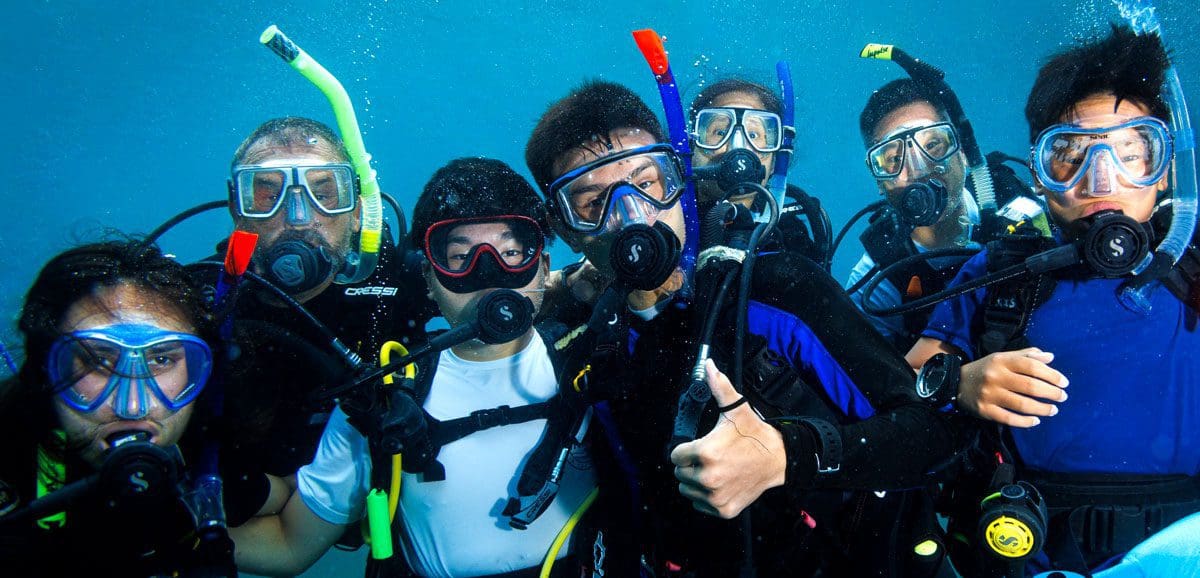
Kids Sea Camp making a lifetime of memories in the Cayman Brac

By Evan Groth

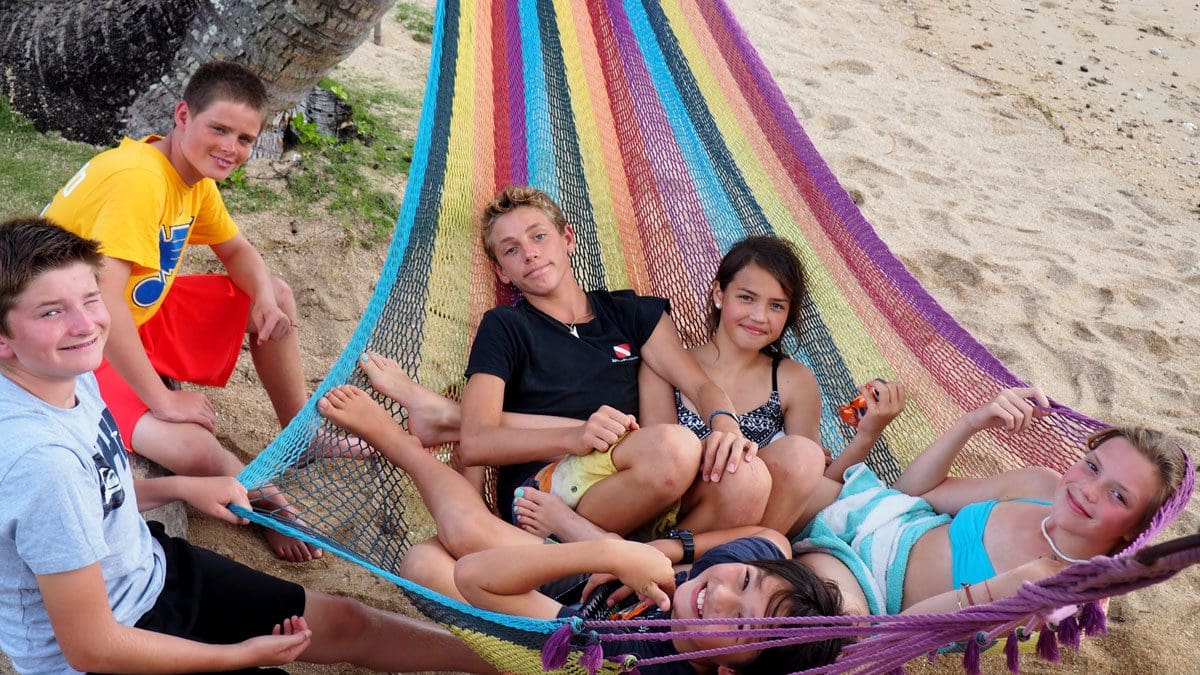
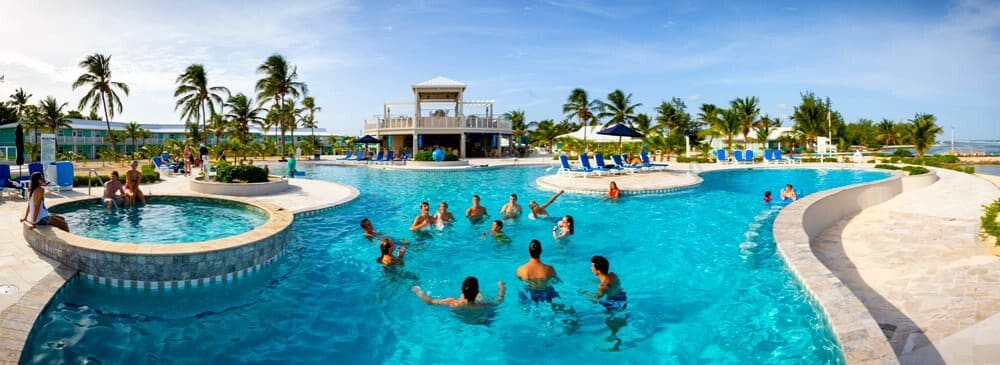
Cayman Brac Reef Resort: Sharing moments of dazzling Caribbean sunsets, salty sea breezes, and night skies brimming with stars brings me nostalgia found only in the best of memories. These memories are of my first Kids Sea Camp adventure spent in Cayman Brac. Every day was spent to its fullest, and every moment was full of friendship, adventure, and peace of mind. 

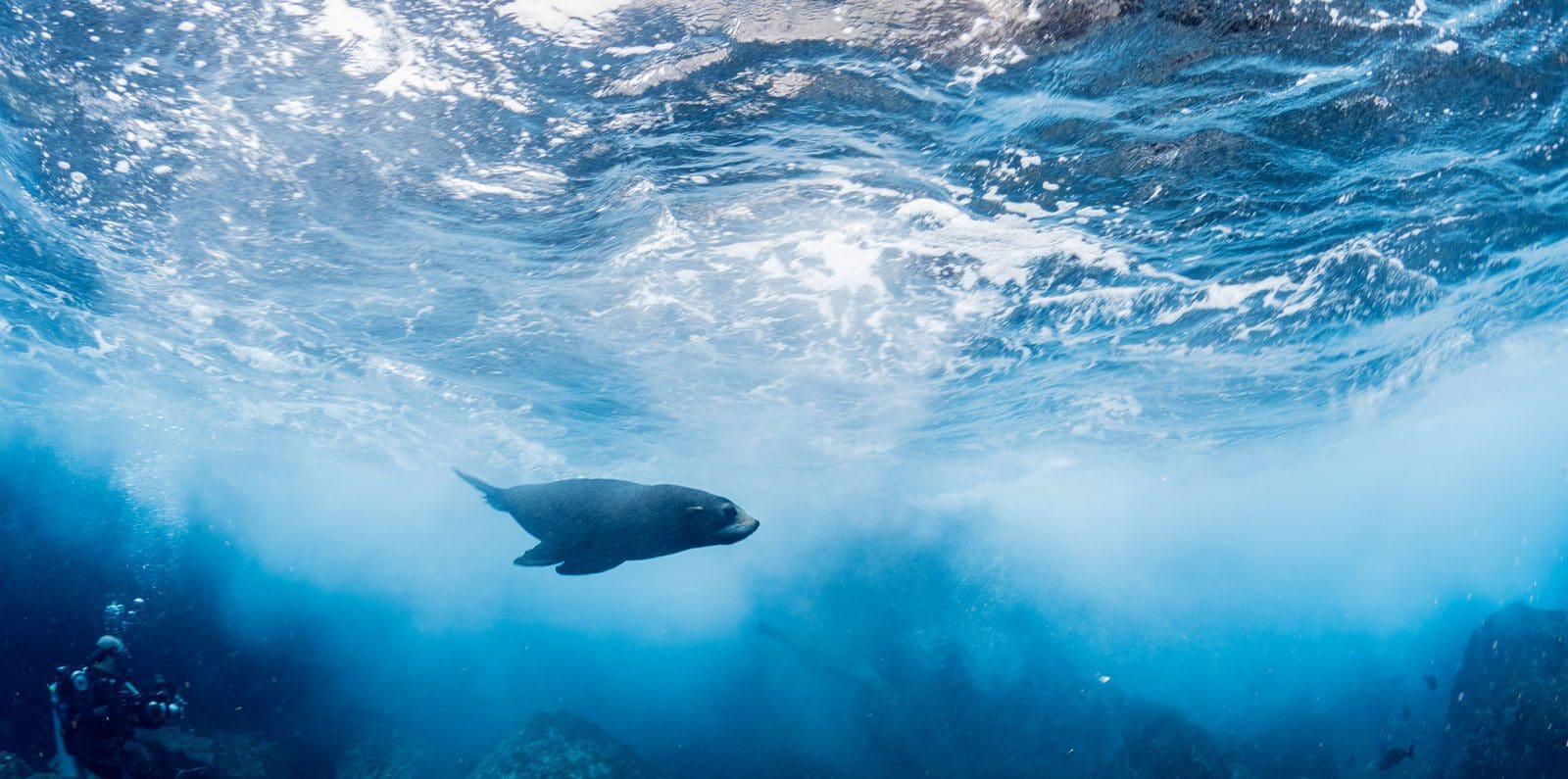
The underwater world is filled with silence, mystery, and grace. Throughout my first ocean dives, I discovered what keeps bringing divers back under the waves. Strange colors and the alien movements and fish patterns lure the mind into a state of serenity and Zen. Weightlessness and silence filled only with the most foreign sounds envelop you in a trance and give you the impression of a stranger in a strange world.  Everything is shrouded in mystery, and nature feels as powerful as it should be.  These feelings lure divers into the underwater world, but Kids Sea Camp offers even more. (See The Cayman Islands Gallery)

The president and founder of Kids Sea Camp, Margo Peyton, did the impossible by taking something perfect and making it more remarkable.  I arrived at the 2018 Cayman Brac week excited but a little nervous. Most of the guests had traveled to Kids Sea Camp weeks together for years and I thought I would be the stranger among them.  I couldn’t have been more wrong. The atmosphere was the most welcoming I had ever felt traveling, and within a day or two, I felt like I was longtime friends with almost all the guests at the resort. When people say that Kids Sea Camp is one great family, it means it’s a place where you can bond with those around you faster than you thought possible.  Not for a moment did I feel like an outsider, and I got to experience diving at its maximum capacity. 

Kids Sea Camp, Kids and diving

I dove thrice daily, starting as a PADI Open Water Diver. The instruction and care provided by the staff were unmatched, and throughout the week I achieved my PADI Advanced Open Water and PADI Rescue Diver certifications.  As a diver, I grew much faster than I thought possible in such a brief time, and despite my rigorous training schedule, I didn’t feel rushed or stressed at all.  I did my training and certification with other people my age all while making unforgettable friends and memories.

Kids Sea Camp changes diving from an underwater safari to an undersea fantasy world. The limit is what you can come up with.  Every dive has the sightseeing and sea creatures you expect, but Kids Sea Camp adds a twist. At the end of the dives before safety stops, everyone plays around as kids should.  Sandy bottoms lead to filming underwater lightsaber fights. Finger wrestling tournaments, underwater acrobatics shows, and bubble ring contests are common. When we get old we stop playing as much, but playing underwater feels like playing in space, something to try no matter your age. 

I guess I am saying that Kids Sea Camp has something for everyone.  Whether you seek tranquility, thrill, sharks, or the sparks of new friendships.  Despite only being able to see each other for one week a year, it is clear all those on Kids Sea Camp are close and love each other like family.  Becoming a part of that family has been an honor for me, and I already can’t wait for next summer.  I work for Kids Sea Camp as a part-time summer employee trying to become an instructor.  As a 19-year-old college student, I have the best job in the world.  Margo and Tom gave me an opportunity I could never have dreamed of years ago. To travel the world diving with amazing people, there isn’t much more I could ask for.

If you are considering going to Kids Sea Camp for the first time, I can highly recommend it. There is nothing quite like it in the diving industry because it’s not just a company—it’s a family. It’s a place for kids to learn to dive and fall in love with the Ocean. You will remember your Cayman Brac KSC week forever.

Perfection is easily desired but rarely achieved on vacation

Perfect dive trip, Palau, Kids Sea Camp

I rarely write letters of recommendation

Dear MargoI rarely write letters of recommendation, I hate the constant solicitation from Amazon to write reviews, but it is with great pleasure that I write this note to you. First, thank you for sharing your wonderful husband with us here at our first Pacific Kids Sea Camp trip, especially at this time. Tom Peyton is warm and generous and made our first days at Kids’ Sea Camp Palau a very pleasant affair.

Making the effort to be perfect in Palau

Rarely have I seen so many people work so hard to make a vacation work well for my family. I know that some look for perfection in such vacations; I do not. I look for effort. Perfection is easily desired but rarely achieved. Sincere effort is rarely made and is usually driven by rules, not the heart. Only one can be achieved, and it takes a lot of hard work. Your choice of resorts around the world is, in my opinion, excellent. I can’t turn around without finding one of your staff waiting to see what I want and to try to make my vacation better. Your people are good at what they do and are sincere in their friendships. It is great just being around them.

Josh is wonderful

This brings me to Josh Comay. The number of fun and sometimes serious conversations my family has shared with these two warm and funny people will leave an impact that we will take home with us. Their concern for our stay isn’t lip service; it is from the heart. I know that I’ve already written this, but I can’t state it firmly enough. Tom may have told you that I have an overboard sense of humor. It takes stamina and patience to deal with it at times. Josh took it in and gave back in equal measure, something that takes courage and a great sense of humor. I am grateful for that and their friendship. That brings us to time spent. I came on this trip with the notion that I would learn a bit about underwater photography. (See KSC gallery)

Instead, I learned a great deal, including a good bit about my above-water photography. I am a practiced amateur at above-water shooting. The conversations I’ve had with Josh have given me great insight into shooting at depth, but they’ve also made me rethink a number of things about my picture-taking in general. His effort there was quite high and is much appreciated. In fact, the time he spent teaching me was extensive and pleasant. I will forever carry a warm spot for Nudibranchs in my heart due to conversations with Tom.

Teaching my children

The kids I have coached and refereed in youth soccer. Finding staff, people who understand children and teaching, and getting good outcomes, is tough. In my opinion, American culture has forgotten that teachers are a valuable asset in the emotional and external development of our children. We only want kids to learn what we want them to learn, forgetting that other thinking and opinion is good for them. I have been impressed by the efforts to teach my kids about the oceans, about being in the marine environment, and about our obligations to take care of that resource. Most of all, your staff’s efforts to teach my kids to behave carefully while scuba diving are greatly appreciated.

My brother-in-law is a huge WWII fan. In part, we came to Palau so he could visit and experience the WWII history here. The recognition by your folks was important to him, and it has led to numerous discussions on how to make that part of his vacation as fulfilling as possible. I will end by thanking you for your efforts on behalf of my family and for making my holiday most enjoyable.

With Regards, Lyle O. Ross, Husband of Alice Chen and father of Auden and Emerson Chen

What is the difference between BPI and Air2 on a BCD?

BCD, Air 2, Scuba equipment

How do I know which BCD is right for me?

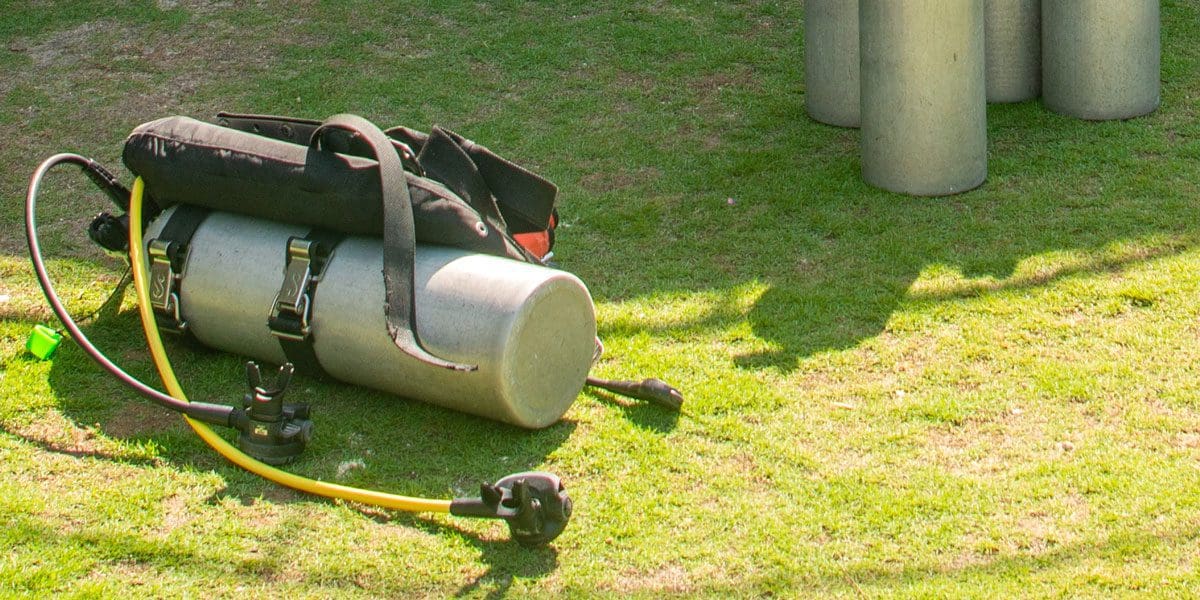
Going hoseless or a full-on regulator system, in some cases, the kids or your buddy run out of air. Best for divers who have a regulator with a first stage, the second stage (primary), and the octopus. The octopus is a backup to handoff. In cases, the kids or your buddy run out or are low on air. I recommend this setup for parents diving with kids, or for a Buddy you know is not efficient with air consumption. I also recommend this BCD setup if you are a rescue diver or if you’re a PADI dive pro. For two reasons, really, because it should have a bright yellow hose, easily recognizable to someone needing it, or in a bit of panic, more noticeable, so they do not have to search too hard or accidentally grab your primary.

The Air 2 is the best for easy diving

Also, the octopus is a longer hose, so you do not have that person you’re helping on top of you. The Air2 is great for recreational divers who have no one else to worry about and feel the likelihood of needing it is nil.  I say this because Air2 is a substitute in the event of an out-of-air situation for your primary. So with an Air2. You do not need an additional, long, cumbersome hose (octopus) on your scuba gear. You can streamline and enjoy the first and second stages only on your reg. The Air2 is a regulator attached to the very short hose that has to be bent and curved up into your mouth for you to use, and your primary would then be handed off to the person in need. It’s heavier and less comfortable in your mouth when assisting someone.

The Air2 I feel is best for streamlined ease of diving and can be complemented with the addition of an air integrated computer system, such as the ScubaPro G2 quick release, G2, or Aladin wrist computers that include a small transmitter that attaches to your first stage, eliminating the need for hoses, depth, and air gauges, and even include a digital compass. So you are then practically hoseless, lightweight, and streamlined.

A Hoseless BCD is freeing

I do use the hoseless setup when Tom and I have the rare opportunity to go diving and not be responsible for anyone but each other. It’s very freeing. Having said that, being the avid diver that I am, I have a tendency to be on the more cautious side. Even with that setup, I have a redundant air gauge attached. Tom and I have both experienced short interruptions in the transmitter signal during our dives. Someone’s strobes can cause it, and some cameras with Wi-Fi can, like SeaLife cameras and Ikelite video lights.

Also getting close to other divers with similar devices. I will say, this only lasts an instant and can be resolved by moving a few feet away from the interference. The light and camera interference I have found to be resolved by switching the hands I hold them in and moving the issue-causing device a little further away from the receiver. For example, if your receiver is worn on your left side with the computer on your left wrist, the camera or strobe causing the issue can be held in the right hand.

So make your BCD decision based on your needs, your buddy’s needs, your preferred level of comfort, and your budget. Gauges and BPI are the least expensive options.

I have used Scubapro for 35 years and stand by it for kids and adults. Scubapro recreational BCs generally only need to be serviced once every two years.

My favorite BCDs

My favorite BCDs are the Hydro-BPI, GO-BCD-air 2 for comfort and back support, and the Lighthawk for traveling light. All have integrated weight options;  for younger kids, the Rebel or the Glide X. All Pros, the Hydro Pro comes with two harnesses for pockets or streamlined for simple use with no pockets.

President of Kids Sea Camp & Family Dive Adventures, Margo Peyton, PADI MSDT Elite Instructor, 57474

2018 Kids Sea Camp Poem

Scuba Dive

We dive through our lives in the same routine
not adventuring or exploring anything
Then all at once, the wind unfurls
we dive into a separate world
A world of rhythm a home to fish
a place of peace for those who wish
and me a guest a mere spectator
who’ll just take pictures to look at later
I grab my reg, check my mask, it’s clean
And I cover my pasty white face with sunscreen
I dive into an ocean of coral and sea,
might see a nurse shark if I’m really lucky
But the dives weren’t the real thing that made this trip neat
It’s the divers, the staff, and the friends that I meet
Because I think that the dives would be a huge bore
Without friends to come with you to help you explore
By: Matthew Boney

Best practices and etiquette for underwater photographers

Underwater photography, diving and photos, kids sea camp

Underwater Photographers’ proper practices when shooting

By Josh Comay and Margo Peyton: (Professional Dive Travel Photographers)

After years of speaking to frustrated guests, underwater photographers, and divers, we felt compelled to put helpful etiquette tips together for photographers. I have been diving for 30 years, and I asked my fellow photographer, Josh Comay, to assist me and share his tips as well. I will share this with families that travel with Kids Sea Camp and Family Dive Adventures going forward, and I hope you will share it too. If you have any helpful advice to add, please let me know, and I will add it to this best-practices list. (Learn to edit with Erin Quigley)

Josh and I are very conscious and courteous photographers, and we are very aware that on my dive trips, we are serving guests. So we stay out of the way, stay patient, and try our best to make lasting memories for everyone on the dive trip, giving them all free memories to last a lifetime. Many of these points are great points for diving in general. So please read, enjoy, and when you feel the need, pass it forward. (Learn to shoot with Alex Mustard)

Best 10 practices for underwater photographers

  1. Do not touch/harass/move any wildlife: This is always at the top of an etiquette list for good reason. I can’t tell you how many times I’ve seen people “escort” wildlife into a better position for their photo ops. (Josh)
  2. Diving with other underwater photographers: when a photographer finds something interesting, they should take their shots without chasing the subject or harming it. A pro should take only 3 shots or fewer using flash or strobe! (NO more than 3 shots with lights) If you want to know why, put your face in front of your camera with the lights on and shoot away. See how long it takes you to see again! If you can use natural light, then do so. Shooting upwards instead of down is helpful, along with making sure the natural light source is at your back and on your subject. Without lights, shoot away, but remember to share your subject with others. (Margo)
  3. Master your buoyancy: Be sure to spend at least some of your underwater time practicing perfect buoyancy without a camera – it will do wonders for when you are armed. (Josh)
  4. Watch your fins: Your buoyancy should be maintained not only while taking your photos, but also when you leave, and you should be aware of where your fins are. Don’t be that person who destroys the subject and its environment, or kicks the next diver on your way out. Look around before you move and move cautiously. Do not shove another photographer out of the way or intrude on their shot. Move on to something else if they are not sharing, and send them this if it continues. (Margo)
  5. Give people space. Don’t crowd other divers, whether they are shooters or not. If you need to wait for your turn, do it down current so you don’t introduce particulate into the frame. (Josh)
  6. Big animals: If you are on a big-animal dive and everyone is being positioned so each person can have a view and a shot, stay in your position. When the lead says stay put, then stay put. If something big shows up towards the end of the dive, remember that everyone has the same amount of time remaining as you do. Be courteous to each other and remember these points. (Margo)
  7. Drop the flutter: Flutter kick near sand, and muck can ruin the scene for everyone. Learning and using the frog kick is essential so you don’t silt out other divers and their shots. (Josh)
  8. Where are your weights? Placement of weights is also very helpful if you have a bigger rig that pulls you forward, and places weights in the back of your BCD. Or even use ankle weights or camera floats. Remember, you still have to be neutrally buoyant if you need to put your camera down or hand it off. Your camera should not be your weight. (Margo)
  9. Pay it forward. Let the next diver in line know what you were shooting, and wait for their positive identification. There’s nothing more annoying than waiting your turn only to have the previous diver swim off without showing you where the Pygmy is hiding. (Josh)
  10. Space on the boat is precious: Don’t leave camera equipment strewn about. If you are lucky enough to have an area designated for cameras on board, tuck your strobes and arms compactly and store your equipment with consideration for other shooters’ rigs. (Josh)

The next best 10

  1. Share the shot: Settle in and take a few shots, but be respectful of others who may also be waiting. If you arrive just ahead of non-shooters, consider showing them the subject first; after they swim off, you can take your time shooting. (Josh)
  2. Set expectations: Some people like to limit a dive to just 2 or 3 subjects. Some people like quickly shooting a shot or two of every possible species they encounter. Consider having an open conversation with the other underwater photographers aboard to discuss your style and expectations. Not everyone may always agree, but if you don’t bring it up, you’ll never know. (Josh)
  3. Macro or wide-angle? Discuss the next day’s dive sites with the boat crew the day before, or even early that morning. There is nothing like showing up with your 60mm macro lens only to find out you’re diving with whale sharks today. (Margo)
  4. Mind your bubbles, too. It’s frustrating, to say the least, to be at 40 ft, for example, working on a shot, only to have a diver go under you and ruin the shot with their bubbles. (Margo)
  5. Don’t forget your buddy. Having a camera does not exempt you from being a good buddy. Even during the most intense shooting, be sure to keep a close eye on your buddy, just as you would normally. (Josh)
  6. Work as a team: It’s best for Buddy teams to have one shooter and one spotter. This is ideal as one can keep an eye on the other. I have witnessed a buddy photographer who does not pay attention to gauges and forgets to look at air, depth, and time. Running out of air is not OK. Going into DECO is not ok. Be a good buddy and pay attention. (Margo)
  7. Manage your depth, time, and profiles: Plan your dive and dive your plan! The deepest part of your dive is at the start, and you should continue shallower as the dive goes on. Not up and down or the other way around. (Margo)
  8. Respect all fellow divers: Camera-carrying divers don’t have special privileges, nor do non-shooting divers. Similarly, whether shooting a simple point-and-click or the latest ultra-DSLR rig, everyone should be afforded the same opportunities to explore the amazing underwater world. (Josh)
  9. On the boat, before you leave: Make sure the crew has a solo rinse bucket for cameras only, with no soaps. Make sure that it’s announced to all divers and the camera bin is pointed out. Ask whether the camera bucket is filled with salt or fresh water. It should be fresh water. If it’s a crowded photo dive, rinse your camera, then remove it from the bin and place it on the camera table, or request a crate for larger rigs. (Margo)
  10. You should never: Throw, drop, or toss a camera in the camera bucket, and certainly do not place it on top of someone else’s! Those that have a small point-and-shoot with a rubberized housing, like SeaLife cameras, are more rugged but can easily damage a large, fragile rig. Be courteous to the more fragile setups. If you have a larger setup, then don’t hog the camera bin. Fold your lights to save space, place your rig on the table, or request a crate. Don’t clutter camera tables with anything but cameras. That’s what it is for. (Margo)

The last eight best

  1. Getting on and off the boats: Get ready, point your camera toward the dive helper on the table or in the bin, and get in the water. Allow them to hand the camera to the photographer before others jump in. When exiting, hand up your rig and then get out. People behind a photographer should be patient and wait for the camera handoff either way.
  2. Let the crew know your plan: Make sure you discuss with them whether you’re going deeper, staying longer, or staying deep or shallow. (Margo)
  3. Everyone has a right to enjoy the dive: When shooting divers, treat them as observers, like you would a fish. Do not continue asking him or her to constantly pose. Don’t interrupt a class to take photos. A safety stop is a great time to get a pose or two. Before entering the water, discuss with the other divers that you would like to take their picture and ask if it’s okay. (Margo)
  4. Many divers just don’t know any better and are completely unaware. It’s important to advise divers traveling with you on what is considered courteous. (Margo)
  5. Say what you mean, but don’t say it mean: If you experience someone who is ruining your dives, and you or others have nicely said something and issues still continue, talk to the crew or the captain. It is their job to create a harmonious dive for all. (Margo)
  6. Get your own boat. If you like to hog the marine life and shots, if you do not want to share, and feel it’s all about you, then charter your own private boat and crew. (Margo)
  7. Help others be better: divers and photographers. We did not get to be without someone coaching us. (Margo)
  8. Bubbles only: Take only pictures, leave only bubbles. (Margo) (See our amazing gallery)

How to equalize or clear your ears when diving?

ear cleaning, kids and diving, scuba skills

What if you could prevent equalizing issues and never miss a dive again?

89% of divers do not equalize correctly, and 29% have had to stay out of the water for days, weeks, or even months due to problems caused by incorrect equalization. It’s hard to think that you could be part of the 6.3% of divers who now have permanent ear damage caused by pushing too hard and trying to force their ears to clear. This should be taught in your open-water class, or even in Discover Scuba, swimming, and snorkeling classes. It is the most common reason adults and kids do not continue diving or complete their courses, or dive after their courses.

As long as you have no physical reason you can’t equalize and have been advised by a doctor, this is not an activity you can partake in, then let’s make equalizing problems a thing of the past.

As beginner divers, we are taught to pinch our nostrils and blow against a blocked nose. This technique results in overpressure at the back of your throat, forcing air up into the Eustachian tubes and creating a ‘popping’ sound in your ears.  This works for many divers, but for others it does not work or can cause ear damage, nosebleeds, or headaches.

 This technique does not actively engage the muscles in opening the Eustachian tubes. If you do use this technique, make sure you do not maintain pressure for more than 3 seconds and do not blow too hard. Remember to ascend slowly, releasing the pressure if you feel pain, and before you blow.

There are 5 better, safer, and healthier ways to equalize

  1. Toynbee Maneuver: Pinch your nose and swallow at the same time.
  2. Lowry Technique: Pinch your nose, blow against your nose, and swallow at the same time.
  3. Edmonds Technique: Pinch your nose, blow against it while moving your jaw forward and downwards.
  4. Frenzel Maneuver: Pinch your nose and make the sound of the letter ‘K’ at the same time.
  5. Voluntary Tubal Opening Technique: Tense your throat and push your jaw forward and downwards.

These five techniques and maneuvers will change the way you dive for the rest of your diving life.

If you would like to learn more about equalizing and the potential issues you face if you don’t equalize correctly. As well as new and safer ways to clear your ears on a dive. DAN Ears is my number 1 resource for dive medicine and advice.

equalizing, diving, clearing your ears

Family finds their vacation answer with Kids Sea Camp

Kids Sea Camp, Kids and diving, Galapagos dive vacations

“Honey, I think I found what we have been looking for!”

By Patti Snyder

In the spring of 2010, I sat at my computer late one night, searching for our next family vacation. Sam was 5, and we had recently adopted our son, Hunter, also 5, from China. My husband, Andy, and I were avid divers. While Andy’s diving background was drysuit diving in the cold ocean off the coast of Scotland, I preferred warmer waters. As avid cave divers, we loved diving in the springs in Florida, and having kids meant that cave diving was in the past for us. While we enjoyed the beach and boating, our passion was scuba diving, so we searched for the perfect family vacation.

Kids Sea Camp, Amazing vacations, family vacation

Unfortunately, we thought, kids and scuba diving would not go together very well. As I sat at my computer, hopeful, I entered various words into the search engines online: “family diving,” “kids scuba diving,” “family vacations.” Kids Sea Camp popped up, and I turned to my husband and said, “Honey, I think I found what we have been looking for!”

I read everything about Kids Sea Camp and its founder, Margo Peyton. If you Google either of those phrases, there are pages of great stories and information, and it’s all positive. (See our KSC gallery)

I called the next day, and Margo answered the phone. We spoke at length, as I had many concerns because Hunter couldn’t swim or speak English, and Sam, who has ADHD, is not one to sit through a course. Maybe it was selfish of us, but I just knew we had to go.

Margo assured me it would all work out, and we booked our first of many trips to Buddy Dive in Bonaire for June 2010. At this point, Hunter was not too enamored with the ocean, as his first water event occurred at home, when he fell into the pool and sank to the bottom. This soon was remedied with swim lessons, and by spring, he had donned a wetsuit and was playing in the waves in St. Augustine, Florida.

When we arrived at Buddy Dive, we were apprehensive. What was I thinking going off diving while my two 5-year-old kids were left with the Kids Sea Camp staff? My fears were allayed when I watched the kids feeding beautiful parrot fish off the dock. They were laughing and having the time of their life. By the end of the week, these two 5-year-olds were making new friends, learning about fish, and even managing giant strides off the dock in SASY gear. They loved their instructors and learned to set up and use their gear. We have never looked back.

Over the past eight years, our family vacations have been with Kids Sea Camp. There were challenges along the way. The hardest part for Sam was completing the book work for his Jr. Open Water class. But you put Sam in a wetsuit and scuba gear, and the little diver in him takes right over. Sam and Hunter love zero gravity, and that little kid who once sank to the bottom of the pool is now a varsity swimmer and triathlete. They want to experience life to the fullest, and nothing holds them back. We have taken them diving at Kids Sea Camp in Bonaire, Grand Cayman, Roatan, Utila, St. Lucia, and St. Vincent, and, coming up this month, Belize. Our first liveaboard Kids Sea Camp in the Socorro Islands is planned for this December.

Kids Sea Camp, Kids and diving

Some of those KSC places have seen our faces more than once. Each time we go, we reconnect with families we have met and meet new ones. We have watched as our kids (and other families’ kids) have transitioned from SASY to Seals to JOW to AOW divers. We are all divers; watching our kids become divers is a bond we share.

I am the lucky one. I have three men in my life who share my passion for the sea. Not all of the places Margo researches for Kids Sea Camp pass her muster because it takes a special family-friendly place, a special family-friendly PADI dive instructor, and a special local family-owned operation for her to feel safe entrusting “her kids” in the underwater world.

Margo is a PADI instructor whose whole life is dedicated to keeping kids safe while teaching them about the ocean. All of the resorts are PADI five-star dive centers. Then there are the extras that are included, like private boats, kids’ dive gear, private instructors, and even Margo and Tom. There are other things to do, like zip-lining, chocolate tasting, spas, jungle biking, beach volleyball, fire dancers, sunset cruises, and cultural excursions.

A Kids Sea Camp vacation is more than just diving. I learned underwater sign language (yes, there is a valuable course on that), how to use sealife cameras, about coral reef restoration, and understanding our impact and role as responsible divers. Then there is the tradition of family poetry writing. Inspired by the Sealife camera prizes, Andy writes about this magical journey at each destination, the week’s highlights, and the precious moments captured in the smiles on our sons’ faces each day.

These poems express overwhelming joy, as each trip creates lifelong memories for Kids Sea Camp families. When Andy reads his poems, he is always choking back emotion and tears, as is the entire group.

You see, wreck diving off the coast of North Carolina brought us together 28 years ago, and Kids Sea Camp rekindles that with the perfect family dive vacation.