The advice you should know when diving and traveling with kids
I have spent the last 3 decades of my life diving and traveling with families worldwide. I created a company called Kids Sea Camp that takes families with kids aged 4-18 on mainly off-the-beaten-path vacations to experience and learn more about the underwater world. My business is personal, and I pride myself and my team on the level of friendliness, safety, and service we provide to each family. As I’ve been diving, traveling, and teaching kids and adults, I have picked up some good advice and tips along the way. I strive with each family to create memories that will last a lifetime, and that is my tagline because that’s what I’m told Kids Sea Camp does well.
There is never a day when I don’t learn from the moms and dads who dive or learn to dive with Kids Sea Camp. I have enriched my knowledge and life from the children I meet. On each trip, I challenge myself and the fantastic dive pros I have the privilege of working with worldwide. I’m a humble person by nature, and I’m honored to be given the incredible faith and trust that parents and grandparents place in Kids Sea Camp. I take tremendous pride in ensuring a fun-filled, safe day of learning in the ocean with their kids.
My greatest moments are turning frightened and anxious mothers’ faces into calm, confident smiles and seeing three generations of divers enjoying diving together as a family. Taking special needs kids out of the only world they have ever known and showing them the magical zero-gravity world of water for the first time. I take very seriously the lives I am entrusted with for the week and for the knowledge, skills, and education they take away with them to become the next generation of global thinkers and doers. Each year, families ask me great questions, so I thought it would be the perfect opportunity to share some of my wisdom about vacation planning.
What is your top destination choice for SASY and Seal Team kids?
I created Kids Sea Camp in the Cayman Islands because my son Robbie was born there. It’s a place I love, hold close to my heart, and know well because I lived there for many years. The calm seas, clear water, and climate are perfect for the little ones. I have been taking Kids Sae Camp to The Cayman’s 15 years this year. The islands have stunning white-sand beaches; there are multiple flights daily from the US. It’s not expensive to get too. The islands offer biking, snorkeling, skateboarding, fishing, hiking, windsurfing, museums, art galleries, and a plethora of food and spirits to enjoy.
I chose the Cayman Islands for their ease of diving and abundant marine life. SASY and Seal Team kids can dive into the ocean and enjoy learning about marine life in a confined space. Cayman Brac Reef Beach Resort has a 140,000-gallon pool sitting right on the ocean for the little ones to do their aqua missions. The hotel rooms are all one-bedroom, so I feel the double rooms are perfect for a family with one child. The resort also has four rooms that can connect to house larger families.
I would have to say Buddy Dive in Bonaire is the best for SASY and Seal Team. They do these programs every week of the year, and their team is well-trained. They have the best jump-off-the-dock marine life for the kids, and I would say they have hands-down the best dive team for the little ones. (See our KSC Calendar)
What is your favorite destination for large families?
Buddy Dive, Bonaire, offers 1-, 2-, and 3-bedroom villas and is an excellent value for large families. The air is the most considerable expense; you can get a good deal if you book earlier. Bonaire is easy diving and caters to divers of all levels. If you’re willing to travel, my second choice would be the Philippines. Pura Vida Homes Resort in Dauin, Dumaguete, is spectacular! They also have one, two, and three-bedroom villas. And for your diving dollar, they offer the best, easiest, and most reasonably priced diving in the world.
What destination do you feel is best for families with older kids?
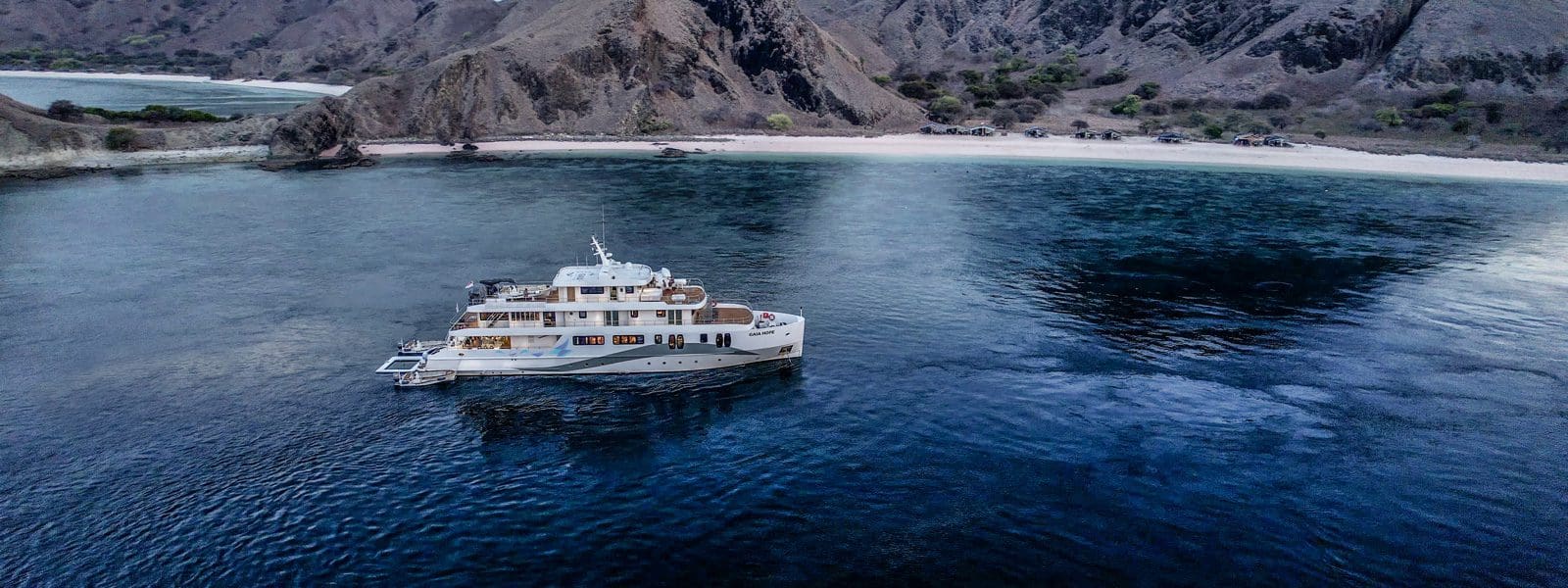
Galapagos would be my first thought. I’ve been taking kids to the Galapagos for nearly 14 years. Kids Sea Camp is the only company to do so because I charter the dive yachts with an additional crew to make it perfect for families. We dive from pangas so the kids and adults roll off the side, but it’s a big animal interaction, big turtles, wild dolphins, giant mantas, marine iguanas, and tons of sea lions.
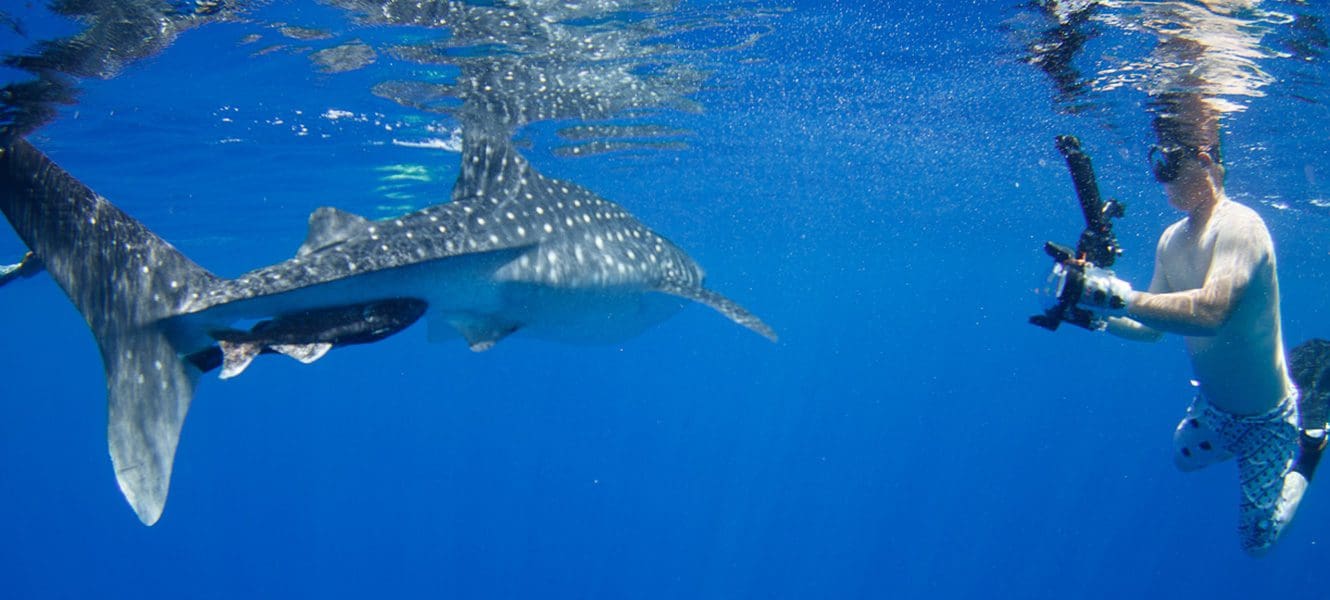
We always travel in June or July, peak Whale Shark season. Honestly, this region is one of the last diving frontiers, and I feel like it’s a trip of a lifetime every time I go. If you want to share the rare and off-the-beaten-path with your children, take them to the Galapagos.
What is your top choice for families with non-divers
St. Lucia at Anse Chastanet is my number one! We offer spa treatments, jungle biking, volcano hiking, paddle boarding, sailing, snorkeling, chocolate culinary classes, cupcake making, shopping, and local sugar plantation walks, as well as a jazzy sunset cruise. We spend lots of time together as a family and have many fun activities for non-divers to meet and become friends.
Second would be Palau. Palau offers kayaking among the Rock Islands, World War I and II history tours, museums, shopping, a spa, and beautiful beaches.
Is Kids Sea Camp accessible to people with special needs?
For the past six years, we have successfully taken special needs adults and kids diving around the world, meeting or exceeding their expectations. I have a team of dive instructors who are experienced in areas such as high-functioning Autism, deafness, handicap, ADD, ADHD, and even elderly divers who need a little more hand-holding and some Valet Diving Service to make everyday diving details easier and less stressful.
Kids Sea Camp can provide private one-on-one instructors or dive masters for people who need more. We meet those needs for the most part, with partner tanks and BC’s for smaller adults and kids. Our destinations can accommodate dive platforms and wheelchairs. We can and do help people get in and out of the water. If families give me enough notice and tell me exactly what we need to have in place, we meet those needs for the most part. If I can’t, then I will say so and recommend another destination.
The most crucial factor is that the doctor treating the special needs participant has authorized that person to participate in scuba diving activities. I am not a doctor and cannot say if someone can or cannot dive. But, will go above and beyond to put in place what someone who can dive needs to do. I require at least 6 months’ notice and a few good in-depth conversations about the needs.
What is the most critical advice you give parents and grandparents of new divers?
Know your kids’ depth limits and profile restrictions. If you are not a PADI pro or another dive pro, and you are not an avid, up-to-date diver, make sure to always request a dive master or instructor when you dive with your kids. Many parents have enough on their plates taking care of themselves in the water, and when you add kids to that, it can become very stressful. Kids move around faster, and you can’t just talk or yell at them underwater.
So parents and Grandparents should make sure they have had a refresher course and know their signals and skills well so that they can assist young divers when needed. I also want to remind parents that your kids watch you and learn from you when you dive with them. So lead by example. Ensure your gear is streamlined, check your gauges early and often, and ascend and descend slowly.
Plan your dive with your kids, and dive your plan with them.
Always let someone else know you are going diving, and make sure you have a slate to write on. Things happen, currents come up, and you need to be able to communicate with each other. It’s fun for families to develop their own signs and signals. Kids should not assume that parents know the same signs or signals. Go over those before your dive. Make sure you do a weight check before diving and know the type of dive you’ll be doing. Make sure you are not forcing your child to dive. If he or she is scared or does not want to go, discuss what’s going on and make it ok not to dive. The worst thing you can do is force a child or adult to dive when they do not feel safe or well.
Be a good dive buddy
Don’t try to impress your child or show off, I promise they will try to do what you do. Enjoy your time in the water and the zero-gravity as kids do. Remember, diving should not be like the military; you kids want to have fun! They enjoy playing with zero gravity, doing somersaults, and being upside down. Make some of that, okay, and teach them when it’s okay to have fun and when it’s not.
I say this in capitals because if I had a dollar every time a child told me their parent loaded them with an antihistamine before a dive, I could go to a nice restaurant for dinner. That can be very dangerous to do. It can cause reverse blocks and also cause panic and anxiety, depending on what you gave them. The most common is dehydration. Diving is very dehydrating, so adding a decongestant before a dive can make it 10 times worse.
By Margo Peyton, PADI MSDT Instructor & owner of Kids Sea Camp