​Becoming a diver

Kids Sea Camp, becoming a diver, Kids and dive training

Is Kids Sea Camp a dream?

By Athena Gennone, age 10

Pale rays of tropical daylight filter through blue-tinted water as a ball of thin silver fish passes me by. Underneath, long streaks of flourishing orange corals stretch out, trees planted into the sandy floor. Is this a dream? No, it’s Kid’s Sea Camp!

My mom and I are at Buddy Dive on the beautiful island of Bonaire. It is more than a tropical family dive vacation; it’s a mother-daughter adventure that changed my life.

Here’s my experience of becoming a diver at the Kids’ Sea Camp!

I woke up on August 10 with the excitement of this new world in my eyes. This wasn’t a regular vacation day; this was the day I started my PADI Jr. Open Water (JOW) course at Kids’ Sea Camp!

When I was dressed and ready, I walked out of our brightly colored orange-and-yellow room, which stood out vibrantly against the surrounding turquoise water. I see the unearthly, gentle water lapping at the wooden dock to the left. My mom and I walked past the Blennies restaurant, enjoying the turquoise views, before turning toward the staircase to the dock below.

Meeting my instructors

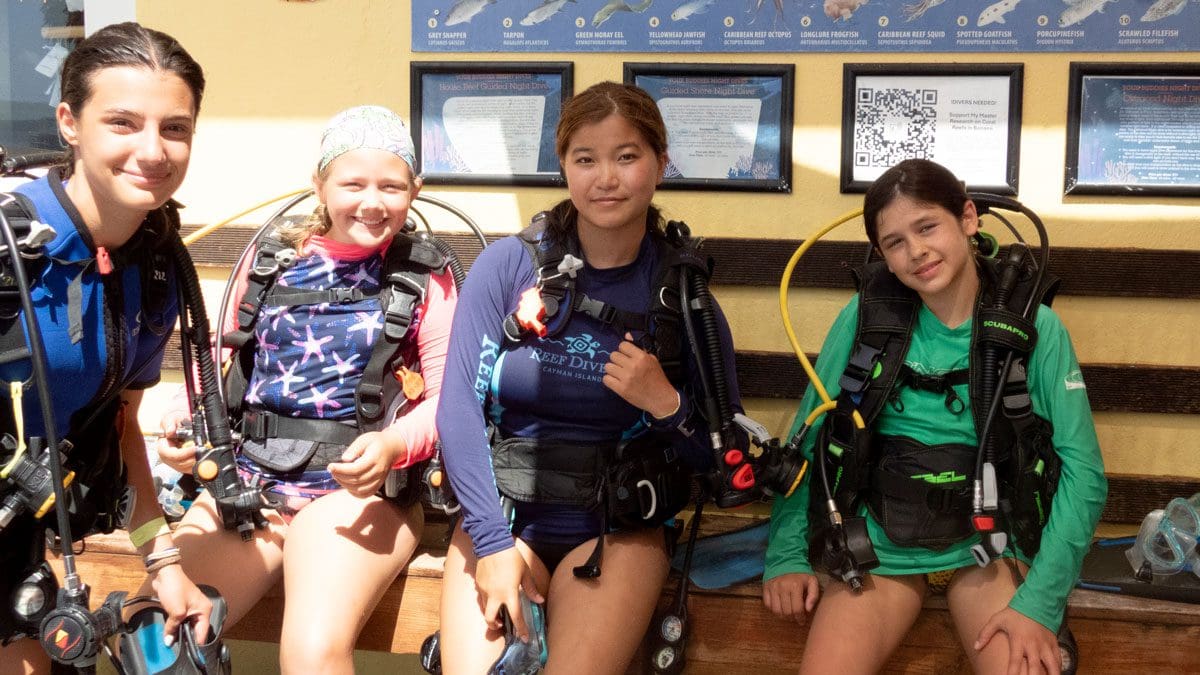
As we walked down the steps, we saw the Kids Sea Camp and Buddy Instructors (Vanessa, Madi, Sven, Joe, and Mark), who waved to us from beside a round wooden table, topped with a large umbrella and a sign that said “JOW class.” They were warm, welcoming, and as lovely as anyone could ever be. They were helpful and kind, always lending a hand, but also allowed me to be independent and gain experience doing things on my own.

Before I did the open-water dives in the ocean, I had to complete my confined training dives in the pool. The Camp this week had a full JOW class of 12 kids, ages 10 to 15, with 4 PADI Instructors and other divemaster assistants.

The first day was challenging

On my first day, I learned how to set up and use my dive gear, including my BCD (buoyancy control device), regulator and gauges, air tanks, fins, mask, and snorkel. The first day was challenging, and I felt as though I’d never get it, but as the course progressed, I was required to take apart and reassemble my gear many times, and I began to understand. Over the three days of the course, I had it memorized and was ready to go each morning. My excitement towards the end of the week was to show my mom that I could get my gear set up and ready to jump off the dock and enjoy a dive with her.

During my course, I learned PADI diving skills and basic hand signals that evolved as we progressed toward becoming a diver.

Kids Sea Camp, becoming a diver, Kids and dive trainingFloating in divine heaven

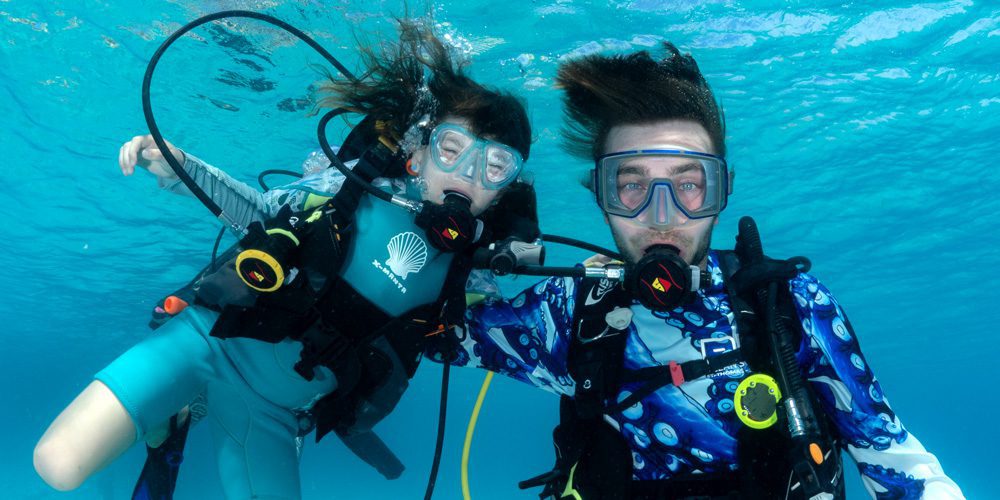
The very first morning, I remember sliding my fins on and stepping into the shallow end of the pool with my gear on. We were split into our four groups, always with our instructors and buddies. We were practicing the pool skills we would use again in the ocean. My first breath underwater felt as if I was floating in divine heaven, the sun rays glimmering like golden gates through the water in front of me.

My excitement is bubbling inside me

On the day of my first open-water dive, we finished setting up our gear, had a dive briefing, and then a snack of green grapes. I remember my excitement bubbling inside me as I walked down the metal staircase that led into the calm, clear ocean.

The weight of the shiny grey tank decreased as I slipped into the water. I slid my long fins onto my feet as tiny waves lapped at my chest. My BCD, inflated with air, helped me stay afloat as I paddled over to my buddy, who waited patiently for the rest of us to join.

I dipped my face into the salty seawater and saw a bright teal parrot fish scuffling among the white sand and chipped pieces of coral that lay upon the bottom. My vision was a bit clouded by a light fog that blanketed the inside of my mask’s glass.

I learned to equalize my ears

When my head bobbed back up, Madi was looking at me expectantly. “Sorry,” I mumbled silently as she began to speak. The instructors briefed us on what we would be doing underwater. After we discussed the dive plan and signals, we held our deflator hose in the air and descended. I learned to equalize my ears.

I watched my buddy’s face light up as a small school of sparkling fish swam underneath us. One of them stopped to examine my fin, then kept swimming. My buddy Hadley was already ahead of me, waving for me to pull myself away from the extraordinary sights that I wanted to enjoy more of.

Signaling underwater

The other instructors and kids were diving alongside in their buddy teams as we headed to the training area. Vanessa turned to check on me as I had stopped again to observe two little angelfish swimming side by side. She asked, “Okay?” by making the okay sign with her hands. I nodded, making the same signal back to her.

As we passed a thicket of colorful coral, a huge yellow spotted eel emerged from its hiding place. Vanessa pointed to it, gave the diving group time to look, and we moved on. Another group of KSC kids, recognizable by their Scubapro dive gear, followed, their fins kicking through the water eagerly as they passed us by.

We descended to 20ft. I equalized my ears again. My buddy looked at me with a bit of concern in her eyes as she, too, equalized and then signaled, ‘Okay?’ I signaled back to her. We then watched a school of silverfish part as they swam past us.

UGH! The mask skill

My instructor, Vanessa, stopped again to check on us, then turned to point out a tiny spotted drumfish in a cleft within a piece of coral.

We finally reached the training area, and my instructor signaled to me to demonstrate the mask removal and replacement skill. If I didn’t have a regulator in my mouth, I would’ve groaned louder than the blue whale calls. This was not my favorite skill.

I had practiced taking my mask off many times in the pool, but I reluctantly nodded and peeled my mask off my face. Squeezing my eyes shut tight to keep out the salt water that would soon surround my face. My instructor’s hand was gently holding me so I could put my mask back on. Grabbing my scuba mask strap and pulling it over my head, pressing my mask against my face at the top, looking up, blowing air from my nose, and clearing my mask. When the flooding salty seawater had been emptied out of my mask, I opened my eyes.

Vanessa gave me an enthusiastic high-five and continued to ask the other students to remove their masks one by one. This was how we did each skill, one at a time, with big high-fives after each of us completed one. After our skills were done, Vanessa would take us on a short, fun dive.

Diving is so mesmerizing

She pointed into crevices to show us an octopus, and we saw white Spotted Drumfish and little fish called Sargent Majors. Vanessa loved pointing critters out to us, and we would bundle around her to peer at them, creating a pod of young divers. After the fun dives, although only for a few minutes, we would head back the way we came. My heart always sank as we came closer and closer to the end of our precious dives. I was snapped out of my thoughts one dive when my buddy rapidly tapped me and pointed to something exciting, like a long, white, and yellow-spotted eel dancing on the sand below.

On another dive, I looked up to see a massive silver fish with dark silver stripes jiggling out from its stomach and back; it was almost bigger than me. A Tarpon! My blue-gray eyes widened, and I signaled “cool” to my buddy, falling behind in the group as I stared at the Tarpon, its long fin disappearing into the water. Diving is so mesmerizing.

Time flies underwater

Twenty minutes could fly by, and it felt like twenty seconds. At the end of each dive, we headed to the Buddy Dive metal staircase that spiraled out of the water and up to the dock in front of us. Vanessa signaled “Okay?” to the diving group and instructed us to ascend slowly. We all gave her a final “Okay” as she lifted her inflator hose above her head, and we followed her like clones to the surface.

I inflated my BCD, feeling my weight lighten as I stopped kicking. Vanessa, taking her regulator out of her mouth, congratulated us on a class well done, and she climbed the stairs to the dock. She waved for us to follow, and I removed my regulator from my mouth. “That was so awesome!” I exclaimed happily after every dive.

Thank you, Mom and Kids Sea Camp

On Friday afternoon, while walking back to our room, past the Blennies restaurant and the turquoise water and white-sand beach, the colorful lizards scuttling along our path, the tropical birds singing melodies from the palm trees rising toward the still-bright sun, I shared my day with my mom. I thanked her for this experience, as it would stay a fond memory in my head and create a special place in my heart forever.

Scuba Diving resorts are making better decisions on safety when it comes to kids and family.

Kids Sea Camp, Kids and diving, family diving vacations

Keeping families and kids safe should always be the #1 priority for traveling families!

For most of my 30-year career, I had been frustrated over having to plead my case to the resort owners for better safety provisions for diving with kids. Kids’ diving safety should be common sense, but it was not. Much has changed, and many dive operators and resorts have upgraded their safety standards. I want families to understand how to choose the right resort. How to keep their families safe when booking dive trips. What is important to consider when parents want to go diving with their kids or take their kids on a dive vacation is asking the right questions. Why choose Kids Sea Camp?

I’m talking to the average family out there that goes on adventure vacations and wants to make scuba diving a part of their lifestyle with their kids or grandkids. Many recreational divers have skipped a few years of diving. They should absolutely take a refresher or complete the e-learning for the PADI Scuba Tune-up course. If you do not know the new signals or skills, and you are going to be diving with newly certified kids or grandkids, make sure you get up to date on your training beforehand. Many adult divers feel comfortable being responsible for themselves but not for another adult, especially a child. Thinking about taking a child diver underwater with no verbal communication is very intimidating to many parents or grandparents. So let’s get you ready to feel confident and have some fun with your kids, creating memories that last a lifetime.

Always have a PADI Pro in the water

At Kids Sea Camp and with Family Divers, we always have a PADI Pro in the water when teaching and training with kids. Kids’ diving safety is our primary focus. Kids are not allowed to dive with other kids, and parents are reassured by a PADI pro in the water during our Kids Sea Camp event and scheduled family dives. When families contact us to book a family dive vacation and want to get their kids or other family members certified to dive, we arrange the course, e-learning links, rental gear, and rental dive gear for students who register with Kids Sea Camp. We consider the destination, the conditions, and the student’s experience level, and we do our best to match the dive operator to their needs.

We choose kid-friendly resorts and dive operators because we know the dive staff have experience diving and teaching kids. The dive operators we choose have smaller dive gear and tanks for kids. There are many good diver resorts around the world now that I consider family-friendly, and asking the right questions is the most important thing a parent can do when researching on their own.

There should be reasonable rates for the dive instructor who is teaching your course at a vacation resort to continue to dive with the kids for the rest of their stay on the additional dives purchased after certification. Look for another operator if they do not offer a private guide.

Many dive resorts are making improvements. They understand that by creating diverse safety standards and applying common-sense principles, they have repeat clients. These clients will grow to trust them and remain loyal. They see that contributing to growing our dive industry by making better choices for families is the wise decision for the future.

Over 8,100 new kids’ certifications

Our family company specializes in kids’ diving safety, with over 8,100 youth certs and no accidents, and I have a growing, successful business that prioritizes safety. With a 75% repeat client base and 3 generations of travelers on any given trip. Kids Sea Camp caters to more grandparents sharing amazing adventures with their grandkids because I make it safe, easy, and fun for all family members to enjoy the ocean together. Diving creates memories to last a lifetime.

Think of this average scenario, NOT at Kids Sea Camp, but with any dive operations around the globe, you may choose:  You’re a certified parent. You are on a family vacation and have signed your spouse and two children up for an open-water diver course. One instructor will teach all three of your loved ones to dive over the 3 days of your family vacation. Then, at the end of those 3 days, after 5 confined pool dives and 4 open water dives, they are certified. An open-water-certified parent is now on their own, responsible for themselves and their family in the water.

How not to teach kids scuba diving

The dive shop instructor has completed his job and moved on to another class. Dad and his family are loaded onto a boat with his wife and your 2 kids. They have had no open-water dive experience outside of the class they just completed. Your spouse is nervous about the kids. You’re going to be put on a boat with a bunch of other divers and an instructor who is in charge of everyone and will mainly point out stuff. You will need to find your own way back to the boat and manage your family’s depth and time, as well as any issues that come up. That is the norm. This is not, in my opinion, acceptable, and it is not what I suggest or provide for my clients; it’s not how I teach and work with kids.

Kids Sea Camp has no dive accidents. We have made changes to the operators we work with or have approved as family-friendly worldwide. The resort you choose to dive with, when teaching your children and family how to dive, needs to meet the highest standards available. When someone is purchasing a week’s stay with you, meals with you, diving with you, and a certification course. It should be good standard practice that the family, the child, should have their instructor with them, accompanying them on all dives, and the remainder of the dives they have booked on their vacation after getting certified.

My analogy for you is this: your child goes to driving school and completes the course on those two Saturdays. Would you be willing to hand them the keys to your car and let them go drive on I-95? It’s the same. Kids’ diving safety is training a new driver.

Kids-Friendly Dive Staff

So, with Family Dive Adventures and Kids Sea Camp, whenever we book a certification course, it is expected and mandatory for our dive pro to accompany them for the remainder of the dive days.

This is not only common sense but also common practice. Those new divers have no boat experience. They have had no experience of diving on their own. There is so much to remember for them, and they need those few days to get it. You need experience practicing. They need to remember safety stops. What to do in case of an emergency, and navigation. Oversight is a key practice that they just learned safely, so they can become more confident and better divers.

I do understand how expensive it is to assign a dive staff member. But when kids are involved, you should demand an additional dive pro in the water with them or any new divers. The best family-friendly operators have made changes to accommodate this. Meet our family-friendly KSC dive staff.

Choosing your dive resort

A dive resort you choose for your family dive vacation should offer special-needs guide pricing. If you want to add a dive pro for added safety, because kids are personal, not business. Most family-run dive operator managers and owners make sure their own kids have a private dive instructor. Kids Sea Camp treats every child like one of our own!

I thank all the great family-friendly operators I work with around the world who get this! In the Caribbean, we work with Buddy Dive Bonaire, Clearly Cayman Dive Resorts, Divetec, Blackbird Caye Resort, and Anse Chastanet, St. Lucia. In the Indo-Pacific we love, Sea Explorers Philippines, Lembeh, Manado, Bangka, with Murex divers in Indonesia. The Arenui is a wonderful liveaboard making a difference every day. The change will come if you demand it.       

By Margo Peyton, PADI MSDT Instructor

Planting the seed of our youth divers

Kids and diving, scuba and kids, margo Peyton

Margo’s journey is as deep as the ocean

By Carolyn Pascal

Margo’s journey began with a simple seed planted by her father. She grew up exploring the waters off Cape Cod, Massachusetts. From her father’s fishing boat, she learned how to swim and befriend marine life much larger than herself, nurturing her love for the ocean. Margo’s passion for travel flourished, leading her to live in Grand Cayman for several years.

Kids Scuba, Family Scuba Diving Adventures, Kids Sea Camp, Margo Peyton Hall Of Fame

As a single mom working in the travel industry, she was determined not to leave her kids behind while continuing to explore the world above and below water. “There must be other dive travelers who feel the same way,” she thought. With PADI’s SASY, Seal Team, and Junior Open Water certifications gaining momentum, Margo embraced the idea of kids learning at their own level. These engaging programs offered parents the opportunity to return to diving and make new friends.

Margo Peyton sought out PADI 5-Star Dive Resorts willing to create a new type of experience—a week where kids could learn to breathe underwater in a safe, fun environment while enjoying the island’s unique features. “Starting with just six families in Curacao in 2000, I began to envision how we could create one-of-a-kind adventures for families worldwide. We added more weeks with carefully planned itineraries every year, allowing six-year-olds and their 60-year-old grandparents to share unforgettable experiences.”

How Did the Dive Industry React?

The dive industry initially responded with skepticism regarding children diving and families participating in a traditionally male-dominated sport. However, with supportive industry partners, SCUBAPRO manufactured children’s equipment and wetsuits, and SeaLife made underwater cameras accessible. Dive magazines introduced the concept in print and encouraged families to join in. Divers who had set aside their carefree dive travels after marrying and raising families suddenly had new opportunities to consider. As interest from divers grew, Margo expanded her PADI 5-Star resorts and liveaboards network, prioritizing safety at every turn. She committed to comprehensive PADI training and became a PADI Master Scuba Diver Trainer and accomplished photographer.

How Has Kids Sea Camp Evolved Over Time?

“I wanted to ensure that, in addition to dive training, all our families would take away valuable lessons about the reefs and marine life and how to protect them for future generations.” By incorporating PADI Aware learning materials, scheduling beach clean-ups, and hosting evening talks on topics ranging from lionfish hunting to shark protection, both young and old minds opened up to new perspectives on responsible diving.

What is Ocean Wishes?

We also established the Ocean Wishes Foundation, dedicated to promoting, protecting, and preserving our underwater world for future generations. The foundation sponsors training grants for kids, supports marine life protection efforts, and facilitates reef restoration activities worldwide. Protecting our children’s future — and that of their children’s children—is essential to us.

Additionally, our Kids Sea Camp weeks and Family Dive Adventures have evolved. Our original Kids Sea Campers are over 30 years old, many have kids of their own, and their parents—now empty nesters—may not want to give up the joy and community of traveling this way. Thus, we now offer a variety of “Empty Nester” adventures for adults, while engaging extended family members, including active grandparents, has also become an increasing trend. Alongside our long-time resort partners in the Caribbean, we now provide exotic luxury liveaboards and access to more remote destinations.

What Has Been the Most Unexpected Result?

“I’ve always focused on making each day, week, and year the best possible. I haven’t taken much time to reflect on what these early experiences have meant for these children over time. Occasionally, however, a seed of an idea, an activity, or a piece of equipment I shared with a young child many years ago manifests in the most remarkable ways.

Who’s Kameron?

While in Grand Cayman with family and friends for my induction into the International Scuba Diving Hall of Fame, I felt nostalgic about all the years we ran Kids Sea Camp weeks at Cobalt Coast Resort and Dive Tech. I was compelled to visit and reminisce. While the resort was closed, the dive shop was open, and a young man named Kameron greeted me with a smile. I explained how I spent many years bringing families to that location. He listened politely and then mentioned that he, too, had spent time on the same dock with friends as a young boy. He recalled the groups of kids arriving every summer, although he and his friends often got shooed away when guests were around. I assured him that I would never have sent them away and that I usually brought extra masks, fins, and snorkels to local kids on the dock for them to keep.

Kameron and Margo meet again

Kameron continued to smile, and our conversation carried on from there. “I took in this moment, knowing that what I set out to do 25 years ago has had far-reaching effects beyond what I could have imagined. And, as it usually only happens in movies, Kameron was on the stage with me, as MC and Local Emerging Honoree, when I was inducted the very next night!” WOW!

What can stop Margo? Nothing.

With over 8,200 youth certifications during hundreds of Kids Sea Camp weeks over the years, there is no stopping Margo. Margo is an active member of the Women Divers’ Hall of Fame. She has received the PADI Lifetime Achievement Award and the DEMA Reaching Out Award, among others. What she values most is seeing those simple acts of kindness, smiling right back at her. One child at a time.

Diving with kids on Liveaboards

Manta, Kids Sea Camp, Family dive vacations

Liveaboards offer one of the best ways to dive

Liveaboard travel is an excellent way for any diver to see the best dive sites a destination has to offer. It allows divers easy access to long-range dive sites and more secluded or remote areas that cannot be reached by a day boat. Some might say Liveaboards are for the dive-hards in our industry, those with the “eat/sleep/dive” mentality. For avid adult divers, it’s undoubtedly been the way to go. I myself have enjoyed those five-dive-a-day, dive-hard experiences on liveaboards around the world for 36 years. There have been rough crossings, big currents, stormy days, and plenty of advanced open-water dives with big animals. 

What are the considerations for kids?

Many divers are now parents. Some were once die-hard adventurers and now want to share those remote, rare experiences with their children, like diving at forgotten islands or having special underwater encounters. I remember thinking about taking my own kids to places like the Silver Bank to swim with humpback whales, listening to their melodic songs resonating through the water. In the Galapagos, the vibrant colors of Darwin and Wolf offer a mesmerizing sight. The Sea of Cortez presents the chance to swim with sea lions, their playful flicks through the water creating ripples under the sun. There are amazing dive trips in Indonesia, the Maldives, and Palau, each with unique underwater wonders. I thought about the practical side, too, like having a child on a boat far from the nearest hospital or doctor. I wondered what it would be like if a child got seasick for days, or how small a 125-foot boat with 18 people might feel after three days at sea. Still, I believe taking kids on a liveaboard as certified divers can be one of the most rewarding and fun experiences for them. I’ve been bringing kids on liveaboards for 26 years.
 

There are a few ways to go about this in order to ensure success.

1. Safety first: check the credentials of the fleet and boat you’re booking with. Check to confirm they are up to date with all safety requirements and mandates. Ask whether they allow kids and what their experience level with kids is. Make sure your kids will have their own DM and get acquainted with the layout and safety equipment aboard. Ask for an emergency contingency plan. Kids need attentive guides who turn around often and stay no more than a breath away.

2. Book your liveaboard trip into a family week where other kids and recreational diving families with similar profiles are on board. Ensure the entire liveaboard itinerary is geared toward a safer, more conservative profile and dive site choices. Less current, better viz, calmer dive sites can be chosen. Insist on your itinerary being dedicated to ease of diving for all levels.

3. Charter the full yacht. There are then no dive hard guests to cater to who prefer not to have kids on their trip. No worries about noise, menu items, or issues with dive site choices. It’s all about kids and you. I book full-boat charters for KSC, and I book them for 3 or 4 families who love to travel together. I don’t recommend more than 20 divers on a liveaboard yacht and prefer 100 ft or more with 8-10 cabins and private bathrooms.

All aboard

The key to taking my kids on liveaboards happily is having other kids on board. They bond, they laugh, they have sleepovers in each other’s rooms, and they camp out on the top deck in the hammocks and chairs under the stars. They enjoy sharing photos and making slide shows, and depending on the captain and location, they like helping cook and jumping off the sides of the boat when anchored.

Destinations

Choosing which liveaboard vessel for a trip with our kids is very important. Start easy with a Caribbean liveaboard in a calm, clear destination. My favorites are with the Explorer Venture Fleet. I also feel the Cayman Islands is another easy learning spot. They make great testing grounds because they are close to land, easy to access with daily flights, and have a variety of pins set up at the better dive sites around those islands. I have also taken younger divers with a bit more land experience to both the Sea of Cortez and Socorro aboard the Rocio Del Mar. Both are very family-friendly operators.

The Galapagos

The Galapagos is known for its advanced diving. And most liveaboards won’t take kids on regular trips. They have other advanced adult guests to cater to, and kids won’t fit into that equation. So, a full-boat charter is the answer here. I add up to 2 experienced guides in the water on each panga, and I confirm that kids have a minimum of 10 dives and are Jr., Advanced Open Water-rated, or higher. It’s important that they are excited and want to go on the liveaboard.

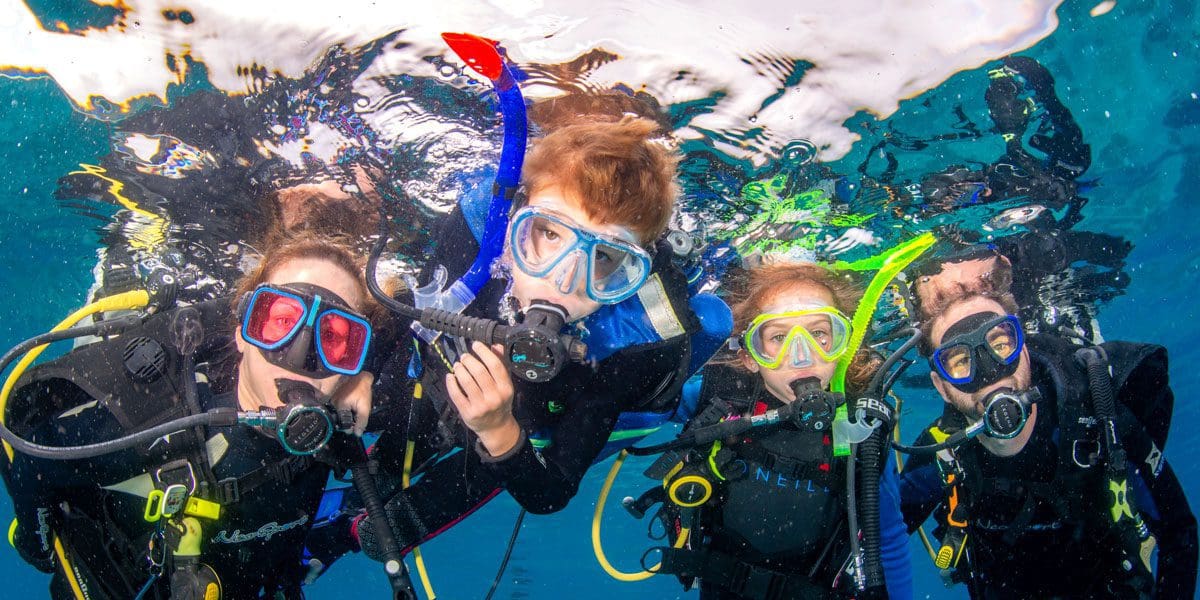
If your child has good buoyancy and follows directions well, then, as long as a liveaboard is something they want to do, it can be a great experience for the entire family. With a Kids Sea Camp family liveaboard trip, parents can go and do some more advanced diving while kids are looked after by trained kid-friendly PADI dive pros who will dive with them, age-appropriately, at shallower depths. I also provide strict ratios for kids in the water with instructors. 1:4 with kids 14 or under and 1:5 with age 15+. If there are special conditions or requests, then I will provide a 1:1 when needed.

Individual tips

If you are considering an individual trip, your kids should be age 12+ and Jr. Advanced certified. With that PADI rating, the max depth is 70ft. Again, I always say be more conservative and only dive to your comfort and experience level within your recommended profile. Never allow kids to dive with other kids, and always request a dive pro to dive with you and your kids if you are not one yourself.

Comfortable, stress-free diving on liveaboards: I turn 54 this year. I have over 6,000 dives, and like many parents and even grandparents my age, I like luxury diving. I want a big soft bed and great food, and I don’t want to worry about changing tanks or lugging gear. So I am predisposed to take families who travel with me on luxury liveaboards because I find them more relaxed. Valet diving: gear rinsed, dried, and bagged for you. I don’t see my luggage from the moment I get off the plane until it arrives in my cabin.

Luxury on the water

The Pelagian with Wakatobi and the Arenui, to name a few of my favorites, will do just that. Some liveaboards I work with include Citizen Science programs on board for the kids, including plankton collection, shark tagging, plastic studies, and documenting whales. I can organize this type of trip with any of my group trips and on individual trips with Rocio Del Mar

The bottom line: ask good questions, get great answers, or keep looking.

  1. How many guests are on board?
  2. How many cabins?
  3. How many guides are in the water diving?
  4. How many shore excursions?
  5. How long are the crossings?
  6. How many beds per cabin?
  7. Is there a night watch?
  8. What is the emergency protocol?
  9. Do you have kids’ dive gear?
  10. Do you have kid-friendly experienced dive instructors on board?
  11. Can I dive at shallower depths with my kids?
  12. What is the age limitation for your liveaboards?
  13. What forms of communication are available onboard?
  14. Are there smoke detectors in all rooms?
  15. Are the layout and ship specs available to view?
  16. Are there menu variations for kids, GF, or vegetarians available?
  17. Is it possible to have my own private guide?
  18. What level of certification is required?
  19. Are there smaller scuba tanks available?
  20. Are dives conducted from a panga or main boat?

By Margo Peyton, See full version in Diver Magazine

Safe and easy Kids Sea Camp Travel Tips

Travel tips, kids sea camp, family dive vacations

It’s important to pack appropriately when traveling with kids on long hauls.

We all know that airports can be a hassle these days, but a little planning and preparation can make a big difference. Try these Kids Sea Camp travel tips to help you breeze right through.

Before Your Trip

  • Sign up for Global Entry.
  • Check your itineraries for seat assignments and add to your calendar
  • Handle any special needs you might have before you get to the airport. Pre-book seats or special meals.
  • Check to ensure the contact and emergency information has been provided to all who need it.
  • Take care of passports, visas, and any other important documents well in advance. Keep a copy of all your documents in a safe place at home and a backup packed with you.
  • Use the online Check-in or airline app for updates. Make sure to download it onto your cell phone. Check in ahead of time to avoid long airport lines.
  • Know the check-in requirements for your airline and destination.
  • Know the requirements for the security checkpoints you’ll be traveling through, and remove any liquids, sharp objects, or anything else listed on the sign before entry.
  • Check security checkpoint wait times and allow plenty of extra time for busy holiday periods.

During Your Trip

  • Check the display screens and monitors in the airport to find your gate.
  • Arrive at the gate early with your boarding pass and eTicket receipt.
  • Keep an eye on the gate display screens as gate changes happen often.
  • Listen closely for announcements at the gates.

Make sure to pack a small carry-on with all your needs:

  • Snacks
  • Book
  • Small pillow
  • Sweatshirt or jacket, as airports can be cold
  • Toothbrush
  • Medications
  • Kids’ games or books, headphones
  • Bottled water was allowed

Adults

  • Contact solution (if needed)
  • Sunglasses
  • Eyeglasses
  • Sweatshirt for flight
  • Any medicines needed
  • Batteries must be placed in carry-on, not check-in luggage
  • Comfortable clothes
  • Favorite book
  • Hand lotion
  • Chapstick
  • Pack your personal valuables with you for up to 1 day’s worth of clothes
  • Single parents traveling with kids outside the country need a notarized letter of “Consent to Travel” prepared before departure

Travel Documents Needed

  • Passports required- Copies of Passports (have one set with you and leave another at home.)
  • C-Card for divers
  • CFAR Travel insurance (See link)
  • Logbook
  • Airline tickets
  • Itinerary
  • Travel documents
  • Paperwork and Forms
  • Waiver form: If your child has any breathing problems or other medical issues, please clearly state them so we can be prepared to accommodate any special needs. We have in the past been able to create pleasant experiences for children with special needs, kids with Asthma, hearing-impaired children, and some autistic children, and we will do our best to ensure any child can experience Kids Sea Camp. We need this information in advance to ensure your child’s safety. You will need a doctor’s note confirming that your child can participate in your chosen program.
  • Prepare as if a bag is lost or delayed.

Other Carry-on Suggestions:

  • 1 bathing suit
  • 1 set of shorts and a t-shirt
  • 1 set of undergarments
  • Sun Block
  • Dive regulator/computer
  • Camera
  • Any item you will need
  • Prescription medications

Suggestions for Packing for Trip:

  • Plenty of sunblocks
  • Level 30-45 waterproof sunblock for kids
  • Insect Repellent
  • Extra-Batteries
  • The film, Disposal cameras (underwater).
  • Converter for electronics. Voltage is 210-240
  • After-sun products, Aloe Vera, etc
  • Small medical kit with Band-Aids
  • Ear drops-swimmers ear
  • Motrin
  • A cough and cold syrup
  • Sudafed
  • Airborne
  • Sunglasses
  • Extra set of contacts
  • Benydril
  • Dive Gear
  • Defog
  • Allergy meds
  • Socks can be used inside the fins

Traveling Internationally with kids is tricky

The Philippines, Travel tips, Kids Sea Camp

Traveling with kids’ information and documentation is needed.

Traveling internationally can be tricky. Each country has its own restrictions and mandates, so it’s essential to check the immigration website of the country you are traveling to. Your airline or the tourism board is also a great source of proper information. Check where you go this year at an International Kids Sea Camp event.

Adults traveling outside the U.S. with children age 18 or under other than their own must have a notarized “Consent to Travel” Letter from both of the minor’s parents or guardians in order to leave and return to the U.S.

A child departing the United States and traveling with only one parent, a guardian, grandparents, or other adults must have a written and notarized Permission to Travel Letter from both birth parents or legal guardians to enter many countries, even on a cruise ship’s shore excursions.

The Canadian Department of Foreign Affairs and International Trade reminds visitors, “Foreign officials and transportation companies are vigilant concerning documentation for children crossing international borders. Make sure you carry the proper identification for yourself and any children traveling with you, including any documents required by the authorities of the country you intend to visit and by U.S. and Canadian authorities on your return to the U.S. or  Canada with the child.”

Travel Documents Help Protect Kids

This requirement for an affidavit for children traveling outside their home country stems from the heightened awareness of children’s rights raised by the 1980 Hague Convention on the Civil Aspects of International Child Abduction. As of July 2011, this treaty, created to deter international child abductions, is in force between the United States and 82 other countries and territories, including Canada and Mexico.

Nevertheless, international child abduction stories are in the news all the time. To stop these tragic crimes and prevent the transport of runaways or children involved in child custody disputes, American carriers have been told to require unique documents, such as Permission to Travel Letters from adults departing the U.S. with minors.

Additionally, rising healthcare costs and legal issues have forced many medical providers to deny medical care to minors without proper Medical Authorization forms. Increasingly, written permission or affidavits from guardians who carry the minor’s insurance coverage, as well as proof of that medical insurance coverage, are required at emergency care facilities.

The same regulations apply to minors under 18 leaving the United States with school groups, teen tours, or just friends on a vacation. Sports teams and academic study programs require a similar Minor Consent to Travel form.

Read on for tips on making this paperwork less of a burden, or scroll to the bottom of this story to obtain sample forms.

Getting a U. S. Passport or Foreign Passport for a Minor

To enforce the Hague Convention provisions, the U.S. Department of State requires that every citizen, no matter the age, traveling internationally by air carry their passport and appear in person to apply for one. These very strictly enforced guidelines for obtaining a passport for a minor require the presence of both parents, with photo ID and proof of parentage, or one parent’s appearance accompanied by a notarized statement of consent from the second parent or legal guardian.

Exceptions are made if there’s documented evidence that a minor has only one guardian; for example, divorce papers, death certificates, adoption papers, or a lawyer’s letter would indicate that the presence of one legal guardian is sufficient. This complex issue is explained in more detail in the U.S. Passport Office.

Custody Issues

If child custody issues are a concern for you, the Children’s Passport Issuance Alert Program notifies parents of passport applications made on behalf of minor children and denies passport issuance if appropriate court orders are on file with the CPIAP. The Office of Children’s Issues will provide more information.

Citizens of other countries must check with their own country’s embassy, as passport issuance laws have become stricter worldwide. Michelle Higgins’s story in the New York Times Practical Traveler column should provide more information on this topic and tips for parents with children of dual nationality or different citizenships. If you’re planning your foreign vacation, start this process early. United States security and border regulations change frequently, and the increased number of passport applications means a backlog at the National Passport Center. Visas & Travel Documents for Minors

It can get complex

In an era of heightened global security, many foreign countries are revising their visa procedures as well. Contact the embassy of your destination country or study the Consular Information Sheets provided at http://travel.state.gov to find out what that country’s requirements will be in terms of documentation in order to bring a child into the country.”

US airlines have on most websites information that confirms that they enforce this during the check-in process with the posted rule: “If adult passengers do not have the proper documents, as defined by the U.S. Department of State guidelines, boarding is denied in order to comply with international regulations and the foreign immigration process.”

Some countries require a notarized original copy of the Permission to Travel Letter before even accepting a visa application for minors. Many countries also require that the authorization notes be in the country’s national language and notarized and authenticated by the country’s embassy or consulate. For information on the requirements for travel to a specific country by an American citizen, visit the US Department of State and navigate to the International Travel Information page. When in doubt about the information, it’s best to call the Visa Section of the embassy or consulate of your intended destination.

 What Permission To Travel or Consent to Travel Letters Do

A consular officer at the U.S. Office of Children’s Issues (888/407-4747) verified that many countries require a Permission to Travel letter with parents’ notarized signatures, plus identification for the child (certified birth certificate or passport), and that both are essential.

Consular Information Sheets issued by the U. S. Department of State (which does not make these regulations) often carry this warning: “In an effort to prevent international child abduction, many governments have initiated procedures at entry/exit points. These often include requiring documentary evidence of the relationship and permission for the child’s travel from the parent(s) or legal guardian if not present. Having such documentation on hand, even if not required, may facilitate entry/departure.”

U.S. Customs & Border Protection recommends that all travelers read the helpful booklet “Know Before You Go.”  Although minors under 16 may enter Canada from the U.S. by land or sea with only a photocopy of their U.S. birth certificate, the CBP notes that children under age 18 must carry notarized travel permission letters if they are traveling without their parents.

Children’s Travel Permission Letters Required for Cruises, Too

Such concerns apply not only to air and land travel but also to liveaboard cruise travel.

Obtaining a Free Permission to Travel Letter Form

We recommend that you download FTF’s sample “Permission To Travel” letter from the next page. Print it. Complete it. Have it notarized, and carry it with you on all future international travel. Is notarizing the document necessary, especially for Canadian families, who pay much higher notary fees than those in the U.S.  “It is strongly recommended that children traveling alone or with one parent carry a consent letter for every trip abroad. It is advisable to have the consent letter certified, stamped, or sealed by an official with the authority to administer an oath or solemn declaration so that the validity of the letter will not be questioned.” From the Canadian Consular Affairs Office.

Tip: Notarize several copies of the Permission to Travel Letter simultaneously if you are applying for foreign visas. Carry two copies with you on your vacation in case a border official.

When you cross a border by land, sea, or air, you will need proper identification documents for each traveler in addition to the above letters. Please see the Department of Homeland Security Website if you are unsure which ID documents you and your family need.

Travel Prepared to Avoid Confusion

For more information, contact your attorney or a professional travel agent. On vacation, travel prepared. It’s better to be safe than sorry. Get Blank Permission to Travel, Minors & Medical Authorization Forms

  • Thorough documentation is especially important in situations involving travelers or guardians with different last names or a minor. We also recommend that birth parents who have different surnames from their child carry a photocopy of the child’s birth certificate while traveling, providing legal evidence of “guardianship” in case of trouble.
  • Travel agents occasionally: the fine print in a brochure is supposed to notify families that airlines, cruise lines, and bus tours may require proper documentation—or deny boarding. The paperwork can —and often does —slip between the cracks.
  • Travel insurance, trip protection that we feel is essential (and many vacationers are reluctant to purchase), is a must to get!
  • Same-sex couples and adoptive, divorced, or widowed parents should carry certified custody or death certificates, adoption papers, or other proof of sole custody, as well as photo identification for themselves and the child.
  • Remember, having these essential documents for travel with minors could save your next vacation.

Safety Tips on diving with your kids

KIDS AND DIVING, FAMILY DIVE Vacations, Kids Sea Camp

A guide to Safe and Unforgettable diving with your kids.

Dear Scuba Moms and Dads,

Imagine sharing the magic of the underwater world with your children, exploring vibrant coral reefs, encountering fascinating marine life, and creating memories that will last a lifetime. Scuba diving can be an incredible family activity, fostering a love for the ocean and building bonds through shared experiences. For 25 years, I’ve had the privilege of diving with families around the globe, issuing hundreds of youth certifications each year. My passion is ensuring that these adventures are fun, safe, and enriching. I’ve compiled this list of helpful tips for diving with kids to help parents navigate family scuba diving and make informed decisions that prioritize your children’s well-being. Please reach out with any questions or to share your own experiences.

Planning Your Family Dive Experience: Key Considerations

One of the most common concerns I hear from parents is the feeling of vulnerability when booking independent dive trips with kids. Stories of close calls and stressful dives are, unfortunately, too frequent. To help you avoid such situations better. Choosing the right dive operator is paramount. Look for operators with a proven track record of prioritizing safety, especially when working with children. 

Here are some critical questions: 

  • Are they experienced in teaching and guiding young divers?
  • Do they offer specialized programs for kids, like Seal Team or Junior Diver courses?
  • What is their instructor-to-student ratio for dives involving children? Are you comfortable with those ratios? My Ratio for kids under 12 is one instructor per 2 kids. Special needs is 1:1
  • Do they have appropriately sized gear for children, including smaller tanks, BCD, and mouthpieces?
  • Does that dive operation follow depth mandates for kids?
  • What safety equipment do they carry on their boats (oxygen, first aid, communication devices)?
  • What is their emergency plan, and where is the nearest hyperbaric chamber?
  • Are all instructors and dive masters current, active, and up-to-date on their training?
  • What is their policy regarding children on their dive boats?

Understanding Youth Diving Standards:

Familiarize yourself with the specific depth and supervision requirements for your child’s age and certification level. This information is readily available on their certification card and through reputable dive organizations like PADI. Don’t hesitate to ask your dive instructor or local dive shop for clarification. Key tips on diving with kids:

  • Children 8+ can experience confined water dives (pool) with programs like the PADI Seal Team and Master Seal Team, reaching depths of up to 12 feet only in a controlled pool environment and under the direct supervision of a PADI Pro. This program is not open water dives unless waivers are provided by PADI to go in the ocean. There are other programs, such as SSI Scuba Rangers and PADI Bubble Maker. Ask your dive operator about the standards for these programs.
  • Junior Open Water Divers (10-11 years old) have a maximum depth limit of 40 feet and must dive with a parent or PADI Pro.
  • 12-year-olds can dive to 60 feet, and with a Junior Advanced Open Water certification, they can explore depths up to 70 feet. However, they can only do this with a parent or a PADI Pro.
  • The recreational diving limit of 120 feet is only reached at age 15. (based on training, comfort, and experience.)
  • Children should never dive with other children without the parent or PADI Pro present.

Parental Preparedness:

Your role as a parent diver is crucial. 

  • A confident and competent diver yourself, with up-to-date skills and knowledge of dive safety protocols.
  • Physically fit and able to assist your child in case of an emergency.
  • Pre-Trip Refresher: A pool refresher before your trip is an excellent way for kids to re-familiarize themselves with their gear and basic skills.
  • Open Communication: Talk to your children about what to expect on their dives. Address any fears or anxieties they may have.
  • Buddy System: Emphasize the importance of staying close to their buddy (you or the assigned dive professional) and maintaining visual contact at all times.
  • Respect for Marine Life: Teach your children to observe marine life respectfully and avoid touching or disturbing underwater creatures.
  • Log Your Dives: Keeping a dive log is a fantastic way to track your family’s underwater adventures and celebrate your shared experiences.
  • Have a Wet Notes pad or something to communicate with your child during the dive.

Essential Do’s and Don’ts:

  • Do: Thoroughly research dive operators. Prioritize safety. Know your child’s certification limits. Communicate openly with your children. Ensure properly fitted gear. Stay close to your buddy. Practice safe diving habits (safety stops, etc.). Respect marine life.
  • Do bring a Pro and a local guide with you on your dives
  • Do some research about all the marine life you may encounter on your dive choice
  • Do hydrate and get plenty of rest before a dive
  • Do share your dive plan with your kids
  • Do make sure you plan your dive and dive your plan
  • Do share any of your concerns with your chosen dive operator
  • Do list any medications or conditions on the waiver forms
  • Check with your doctor to ensure any conditions or medications are approved for diving activities.
  • Have fun and share your positive experiences with family and friends
  • Don’t: Make assumptions about safety practices.
  • Don’t: Hesitate to ask questions.
  • Don’t: Exceed your child’s limits.
  • Don’t: Pressure your child to do something they’re uncomfortable with.
  • Don’t: Compromise on gear quality.
  • Don’t: Forget to check gauges and air supply—neglect pre-dive checks.
  • Don’t forget to be ready and fit, both mentally and physically, before taking your child on a dive.

Scuba diving with your family can be an enriching experience. By prioritizing safety, choosing reputable operators, and staying informed, you can create unforgettable adventures that deepen your family bonds and foster a lifelong appreciation for the underwater world. These tips on diving with kids should help make your next KSC adventure more rewarding.

Kids Sea Camp founder, Margo Peyton

Margo’s favorite places to dive with kids

Family dive adventures, sasy training, kids and scuba, diving with young kids, margo peyton, Family Scuba Diving Vacations, Kids Sea Camp, Scuba Diving, Kids and scuba

.

Finding My Favorite Dive Destination? It’s Impossible!

For 26 years, clients have asked me, “Margo, what is your favorite dive destination?” As a mother, and now a grandmother, a PADI scuba instructor, and a lifelong ocean lover (I was born in Provincetown, Massachusetts, on Cape Cod!), my response has always been, “All of them!” Each destination I’ve personally chosen for Kids Sea Camp holds a special place in my heart.

Cayman Islands: Perfect for First-Time Family Dive Trips

Margo Peyton, Kids Sea Camp, Kids Scuba, Family Scuba Diving Adventures, Margo Peyton

As a young mother, I fell in love with the Cayman Islands as my son, Robbie, was born in Grand Cayman! I know the islands well, having worked both as a divemaster and a travel agent for many years while living there. With its easy access from the US (multiple daily, direct, nonstop flights!), strong safety record, and family-friendly resorts like Little Cayman Beach Resort and Cayman Brac Beach Resort, it had to be at the top of my list for young divers.

The diving is easy for all levels, with picture-perfect turquoise waters and sugar-white sand beaches you dream about on a cold winter’s day. The picturesque beaches are perfect for building sandcastles, playing volleyball, and relaxing!

Underwater, you’ll find turtles, tarpon, dolphins, and sharks, along with dramatic walls, fascinating wrecks like Captain Keith Tibbetts, and shallow reefs perfect for new divers. The resorts offer spacious guest rooms that give parents privacy while keeping kids close. And don’t forget the exciting land adventures like exploring pirate caves or hiking the bluffs!

The best Caribbean bar food

The food and service at both resorts are excellent, with plenty of family-friendly choices. The chefs create amazing made-from-scratch cakes, pies, and cookies, and there’s even a make-your-own sundae bar! The restaurants serve everything from steaks and lobster to fresh fish and vegetarian delights.

Getting around is easy, whether you rent a car or explore by bike. There’s a spa on each property, and believe it or not, tennis and basketball courts! Relax by the large oceanfront pools, swing in a hammock on the beach, or join in the fun with treasure hunts, pizza and movie nights, and pool games. I enjoy photographing and feeding the giant iguanas, collecting coconuts, and enjoying those lazy afternoons on the beach. There are quaint shops and other restaurants to explore, as well as exceptional flora and birdlife to learn about. The Cayman Islands are known for their history and culture as well as their diving.

Bonaire: Buddy Dive Resort Kids Sea Camp

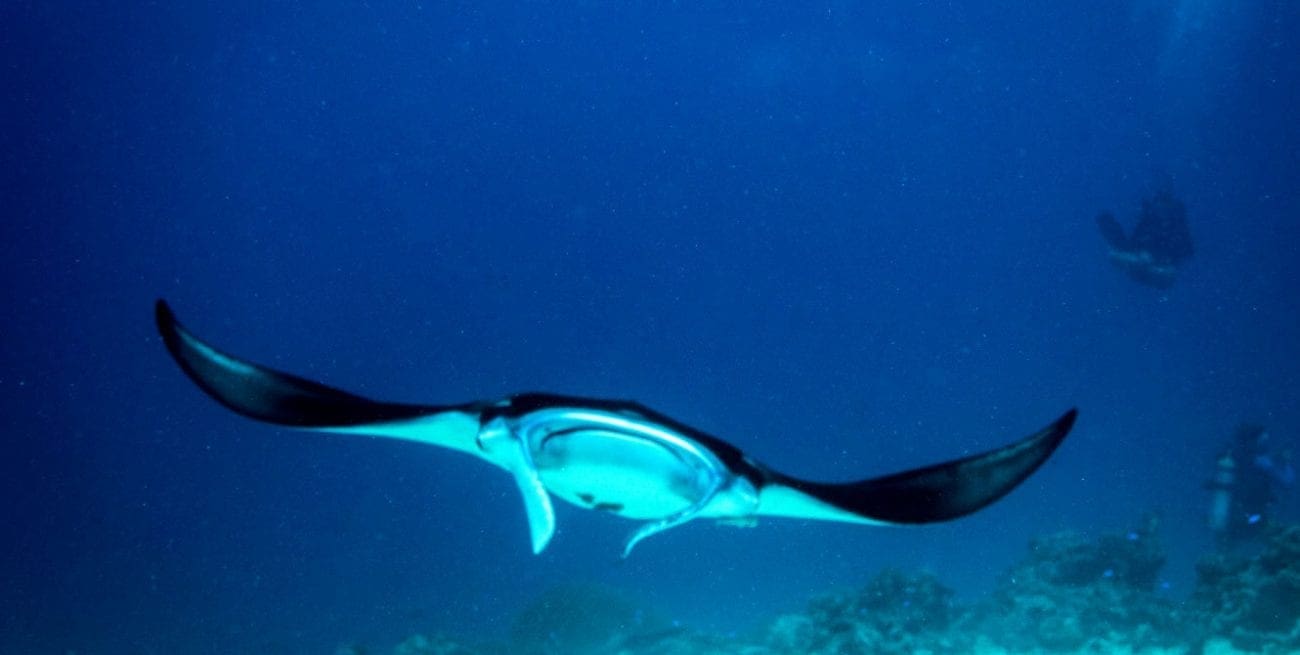
Bonaire stole my heart with its laid-back charm, friendly donkeys roaming freely, flocks of pink flamingos, and incredible marine life – from wild dolphins and manta rays (yes, manta rays in Bonaire!) to massive tarpon and countless octopus.

My favorite part of the day? Jumping off the dock with my kids when they were young divers to explore the calm, shallow reefs. The white sandy bottom, just 15-20 feet below, felt like a natural guardrail, allowing kids to gain confidence and independence in a safe environment. Bonaire is one of my top picks for large families, with 1, 2, and 3-bedroom villas at reasonable prices and easy access from the States.

Buddy Dive Resort is family-owned and extremely kid-friendly, with an in-ocean training area that minimizes pool time. Besides diving, my favorite activity is Blow Karting (land sailing) – a total blast for adults and kids! There’s also a sunset cruise, walking the plank, karaoke, and live music. Buddy Dive sits right on the oceanfront, offering some of the most effortless diving for families. There are guided shore dives and boat dives just minutes away. And that jump-off-the-dock diving is the best!

When my kids were older, they both had instructor training with Buddy Dive. That was an amazing gift for me to witness and be a part of. Buddy Dive offers internship programs, Reef Renewal, and tech diver training for older kids and divers who want to further their dive training for future careers or fun. Our Buddy Dive Kids Sea Camp offers a variety of training courses during the week for adults and kids. SASY, Seal Team, JOW, AOW, Rescue, Jr. Divemaster, Divemaster, and Instructor courses have all been incorporated into our program.

St. Lucia: Kids Sea Camp Luxury and Adventure

St. Lucia is pure magic! It is one of the most romantic places in the Caribbean. Tom and I love to return to St. Lucia every year. We look forward to being pampered, enjoying some couples’ time, and bringing Kids Sea Camp to a luxurious, romantic place like Anse Chastanet. It’s a dream come true!

When Mrs. Karolin and Nick Troubetzkoy invited me to bring Kids Sea Camp to their world-famous resort, I felt like Dorothy clicking her ruby slippers in The Wizard of Oz! We have the entire resort to ourselves! Some families with older kids ages 15+ also stay at Jade Mountain, Anse Chastanet. That is just another level of romance and one of my favorite places on Earth to stay with Tom.

Imagine exploring vibrant reefs, encountering seahorses, and baby turtles hatching right on the beach. The dinner options let you indulge in world-class cuisine at four incredible restaurants. There’s Emeralds (a vegan restaurant), Balawoo (a treehouse restaurant with breathtaking views), the Jungle Grill, and Apsara Indian restaurant, all featuring Creole and Caribbean flavors.

The accommodations are breathtaking

This resort wowed me from the moment I stepped into my room. The accommodations are breathtaking, with options of one- or two-bedroom units overlooking the magical Pitons and the spectacular ocean, or beachfront bungalows surrounded by lush gardens. Each room is exquisitely decorated at this 4 Diamond resort. The service is out-of-this-world, exceeding expectations at every turn. It’s a constant stream of happy moments in St. Lucia because you are served beyond your expectations at every turn.

Being able to have the kids make and decorate cupcakes with the head pastry chef, as well as the chocolate tasting with the chocolatier! OMG, if you love chocolate, you have arrived in heaven. The chocolate lab, chocolate hands, and foot massage, etc, are beyond enjoyable.

The diving is simply spectacular. From awesome wrecks, local house reef or night dives exploring beautiful walls to the vibrant soft coral gardens, Scuba St. Lucia offers something for everyone. Oh, and you do not need to touch your gear because this is 4-diamond diving, and everything is done for you. It’s called Valet Diving. Then there is the jazzy sunset cruise and live steel drum band, the karaoke and beach BBQ, and I can go on and on and on. This family week in St. Lucia is truly decadent. Every member of the family is pampered and spoiled, and the kids never want to leave!

Belize: Island Paradise and Marine Conservation

Blackbird Caye Resort in Belize, our newest gem (added in 2023), is a private island paradise. We’ve been taking families to Belize since 2011. This perfect location, with its proximity to incredible dive sites, was a game-changer. Imagine being just a 3-minute boat ride from the Wit Concrete Wreck (which can even be done as a shore dive!). The resort is only 6 minutes from the famous Elbow dive site! The Blue Hole, a must-do for any diver, is just an hour away.

My favorite here is the incredible number of eagle ray encounters, along with a big favorite of mine: the loggerhead turtles, which are not shy! Others like to hunt lionfish or go topside; my husband loves to go fly-fishing while I’m off enjoying dives with the kids. The boats are big, spacious, and comfy.

With its pristine white-sand beaches dotted with charming seaside bungalows, its incredible diving, and a focus on marine conservation, Blackbird Caye has become a favorite! Thanks to the owners Garen and Simonyan’s passion for kids and the ocean, it’s a dream come true for eco-conscious families. Garen, a newer dad himself, has integrated educational experiences from the Turneffe Atoll Sustainability Association into the kids’ activities. There is marine life learning and excursions as well as presentations throughout the week. The food is delicious, and all meals are made from scratch. Family-style meals are served in the beach restaurant. The sunsets are well spent at the beach bar and pool, reminiscing about the day and resting up for the next day’s adventures.

Belize has so much to offer both non-divers and divers. We can book both pre- and post-trips to the jungle or ruins.

The Philippines diving with whale sharks

The Philippines holds a special place in my heart. I was greeted with a hug and a flower necklace at the airport in Manila. I knew I was in for something special. A quick hop flight over to Dumaguete, and we are in Dauin. This resort has 1-, 2-, and 3-bedroom units, black-sand beaches, multiple pools, and the most fantastic dive boats I have ever seen. They look like giant water spiders! These boats are made of bamboo, spacious, and offer valet diving, which basically means you do nothing. Hot chocolate, coffee, tea, biscuits, and cookies are served after every dive. Each dive group of 4 people has its own dive guide. The Filipinos are so much fun and love kids.

We get a very special dive that not many in the world get to do: the Whale Sharks of Oslob, which we do on our own private boat and with our own staff. We have a very special Kids Sea Camp Whale Shark Day. It’s one of the few times I can say that we guarantee you will dive or snorkel with a whale shark in Oslob. It’s just a huge wow. I’ve experienced 5 at a time.

Welcome to Apo Island

At Apo Island, the reefs are so beautiful that I actually cried underwater. At 18, the first time I saw reefs this healthy, it was overwhelming. There is a mountain school, a village tour, the Chocolate Hills, zip lining, and many top-side cultural activities planned for the Kids Sea Camp trip. I have packed it with local culinary delights, music, and fun for the entire family.

Planning ahead for the Philippines

We’re planning our Philippines vacation further in advance. The trip has multiple locations, since families travel so far; we maximize their stay with a few trip options. This year, I’ve arranged 6 nights at Pura Vida Homes with Sea Explorers, and 6 nights on Bohol Island at Amun Ini. Both offer opportunities to see whalesharks, macro, and topside fun. From Amun Ini, families can see the world’s smallest monkey, the Tarsier. A cute little furry critter with eyes that look like large AI-generated orbs. For 2026, we are off to Dauin and Cabilao. You can give me a call. I will happily spend as much time as you want telling you about the Philippines. The rooms are beautiful and spacious, and each resort offers incredible cuisine. (See our calendar events)

Indonesia: Luxury Liveaboards and Unforgettable Experiences

For the ultimate dive adventure, Indonesia is a must. Our luxurious liveaboard trips aboard the Arenui offer unparalleled service and exquisite cuisine, all while having access to some of the world’s most pristine dive sites, including Komodo, Raja Ampat, and the Forgotten Islands. The Arenui is truly “perfection,” as described by one of our long-time clients, Marcio Curvelo. With its stunning hand-carved interiors, fine linens, and state-of-the-art dive equipment, the ship redefines luxury dive travel. We offer land excursions, diving, paddleboarding, kayaking, and pre- and post-Bali add-ons to create a truly unforgettable experience.

Why I Choose Each Destination

I hand-pick each Kids Sea Camp location with families in mind. We work closely with each resort and dive operator to create unique experiences. The destinations have their own appeal and unique experiences. All the KSC weeks create a magical family diving experience that gives the kids memories to last a lifetime.

Ready to plan your family dive adventure?

Check out KSC weeks (see link) or read heartwarming stories from our families. (see link)

Tips for Planning a Successful Family Dive Vacation:

Bonaire, Kids Sea Camp, Travel tips

Planning Your Dive Trip: Start Early!

Here are a few tips to help you plan a successful family dive vacation. The key to a smooth and stress-free dive trip? Early planning! 

  • More Research Time: Starting early gives you ample time to explore potential destinations, compare options, and find the perfect spot for your dream dive vacation.
  • Better Flight Options: Early birds get the best flight deals! You’ll have more choices and flexibility with dates, airlines, and routes. Use tools like Google Flights to research itineraries and track prices. Be sure to have your airport codes handy!
  • Accommodation Choice:  Planning ahead ensures you snag your preferred accommodations.
  • Gear Up: Don’t forget your dive gear! Starting early allows plenty of time to check your equipment, make any necessary repairs or replacements, and ensure everyone in your group has what they need.
  • Time Zone Awareness: Pay close attention to time zone changes between your departure and arrival cities.

Need Help with Flights?

We’ve got you covered! Margo Peyton has over 15 years of experience as an airline reservations agent. We also recommend Lennie, our trusted independent air consolidator with over 25years of experience.

Choosing the correct destination for your family dive vacation:

Beyond the Dive: Our destinations offer a wide range of options, from snorkeling and kayaking to land sailing, jungle biking, and even barista or cooking classes and world-class spa experiences! Choose one of our locations to keep everyone happy with exciting activities above and below the surface.

Consider Diver Skill Levels: Do you have a mix of beginners and experienced divers in your family? No problem! Destinations like Bonaire, the Cayman Islands, and Roatan offer easy diving that is suitable for all levels. For more seasoned divers, consider the Galapagos, St. Lucia, Belize, the Philippines, or one of our many live-aboard adventures.

Accessibility and Dietary Needs: We believe everyone should be able to experience the joy of diving. That’s why we offer more accessible destinations like Roatan, Fiji, Belize, and Little Cayman, catering to those with mobility challenges. We also understand the importance of dietary needs. 

Marine Life Encounters: Dreaming of swimming with whale sharks, encountering majestic manta rays, or witnessing the magic of coral spawning? Each destination has its own unique marine life and seasonal events. Let us know your preferences, and we’ll guide you to the perfect spot to fulfill your underwater wishes.

Protect Your Investment: Why Trip Insurance is a Must

Peace of Mind in Uncertain Times: Life is unpredictable. Unexpected events, such as illness, accidents, family emergencies, or even work and school commitments, can derail your travel plans. Trip insurance, especially with a “Cancel For Any Reason” (CFAR) option, provides financial protection and peace of mind, allowing you to book with confidence. CFAR insurance goes beyond typical travel policies, covering a wide range of unexpected situations, including:

  • COVID-related disruptions: Travel restrictions, positive tests, or mandatory quarantines.
  • Missed flights: Oversleeping, traffic delays, or other unforeseen circumstances.
  • Passport issues: Expired or forgotten passports.
  • And much more: Hundreds of covered reasons to cancel your trip, giving you ultimate flexibility.

A Small Price for Big Protection: For a few hundred dollars per person, you can safeguard your investment and avoid potentially losing thousands on non-refundable flights, accommodations, and dive packages. Consider it an essential part of your vacation budget.

Book Early, Insure Early: The sooner you book your trip, the sooner you should secure your trip insurance. CFAR policies can even cover trips booked up to 3 years in advance, providing long-term protection and flexibility.

Planning a family dive trip?

Here are some tips to ensure a smooth, enjoyable, and unforgettable experience:

  • Embrace Flexibility: Remember to be kind, patient, and respectful to travel professionals and dive operators. Go with the flow, embrace the unexpected, and remember that flexibility is key to a successful trip.
  • Do Your Homework: Research your destination thoroughly. 

Other Important Tips

  • Dive training and services: Ensure the destination offers appropriate training and services for your family’s skill levels.
  • Client comments: Learn from the experiences of other families who have traveled with us.
  • Photo Gallery: Get inspired and excited about your upcoming adventure!
  • Protect Yourself with Insurance: Don’t overlook the importance of travel and DAN (Diver Alert Network). Dive accident insurance.
  • Pack Smart: Keep your luggage light and manageable. Consider investing in travel-friendly dive gear, like the SCUBAPRO Lighthawk or Rebel BCDs, designed for compact travel. Kids Sea Camp is a SCUBAPRO dealer and #1 with outfitting families and kids with dive gear, computers, and many other items that make your dive vacation easy and comfortable. 

Be Prepared

  • Be Prepared: Pack a day’s worth of essentials in your carry-on to handle potential baggage delays. Keep travel documents in a separate bag for added security. Make sure to have your certification cards, medications, a day’s worth of clothes, and a swimsuit
  • Consider your family members’ ages and abilities. Not all dive sites are appropriate for all ages and abilities. Be sure to choose a destination suitable for everyone in your group. Give us a call and talk to any of our dive instructor team. 
  • Make sure everyone has the proper training and certification. Talk to your experienced dive travel professional about your choices. Our team is all PADI Pros! Tom Peyton is a Divemaster; Margo, Kiley, and Rob are all PADI instructors and seasoned travelers, and are current and up to date in their teaching status. Kids aged 5-7 can do our SASY program, and 8- 9 can participate in Seal Team. Kids as young as ten can become PADI-certified divers. 
  • Be aware of the risks involved in diving. Be sure to educate yourself about your kid’s depth limits and restrictions. Talk to your family doctor about any conditions or concerns, as well as any medications you are taking. 
  • Call Kids Sea Camp and Family Dive Adventures today to plan your next great family adventure vacation. We are #1 in the dive industry regarding kids, diving, and family dive vacations. 803-419-2556


Family Travel Tips

Kids Sea Camp, Woody Tinsley, Kids and diving

Thoughtful Family Travel Tips

By Margo Peyton

When you’re getting ready to travel this summer with your family, make the best choices for airlines that cater to family travel and will guarantee you’re seated next to your kids. Check out these best tips for ensuring your family stays together during air travel. (See link:)

Airport tips

  • Pay the higher price for assigned seats. Do not wait until airport check-in.
  • I arrive 3 hours before. Arrive at the airport at least 2.5 hours before boarding to make time for security. For international flights, 
  • Get a Global Entry for international travel.
  • Get clear for domestic travel.

Flights tips

  • Remember, all children need passports. This process can take 3-6 weeks. If you are traveling with a child with a different last name than yours, you may be required to have travel documentation and proof of guardianship. Check with your airline to find out what you need. When traveling internationally, a passport is required. Again, if you are traveling with a child who is not your own or has a different last name than you, you will most likely be required to show legal documentation for traveling out of the US. This can also be true for single parents traveling alone with a child. Check the immigration site for your destination and your airline.
  • Bring snacks on long flights. Food is rarely provided, and when it is, it may not meet your dietary needs. Pre-order meals on international flights when they are available.
  • Be vigilant about making sure you and your kids remain buckled in for your flights. Many adult and child passengers have recently been injured on flights due to turbulence and not having seatbelts securely fastened. I understand it cannot be easy to keep young kids strapped in, but good habits and consistency can help. Lead by example. Kids should be accustomed to this with cars, and flights are no different. Teach them the importance of safety.
  • Ensure kids and adult family members are using headphones and not playing their entertainment out loud. Remind kids that there are people seated in front and behind them, and their movements directly affect others.
  • Have fun and enjoy the journey. Be kind, patient, and courteous. Come travel with us this summer and create memories that will last a lifetime for your family.