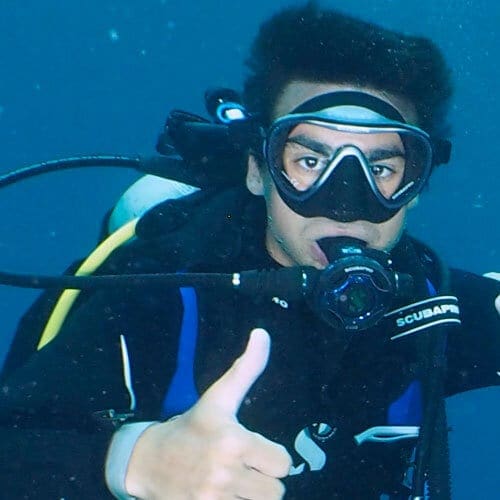

Mastering Buoyancy: The Foundation of Safe, Sustainable, and Spectacular Diving
As Robert Peyton, PADI Staff Instructor, underwater photographer, and travel liaison for Kids Sea Camp and Family Dive Adventures, I have spent more than a decade guiding families—kids as young as four and adults of every experience level—through the underwater world. From the turquoise shallows of the Cayman Islands to vibrant reefs in Roatan and the calm waters of Bonaire, one skill rises above all others in importance: buoyancy control. It is not merely a technique; it is the difference between a diver who fights the ocean and one who dances with it. Fine-tuning buoyancy transforms every dive from a struggle into an effortless glide, conserves air, protects fragile ecosystems, and unlocks the full potential of underwater photography. In my roles at Kids Sea Camp, where we have certified thousands of young divers and created lifelong family memories across the Caribbean, mastering buoyancy is the thread that weaves safety, environmental stewardship, and joy into every adventure we lead.
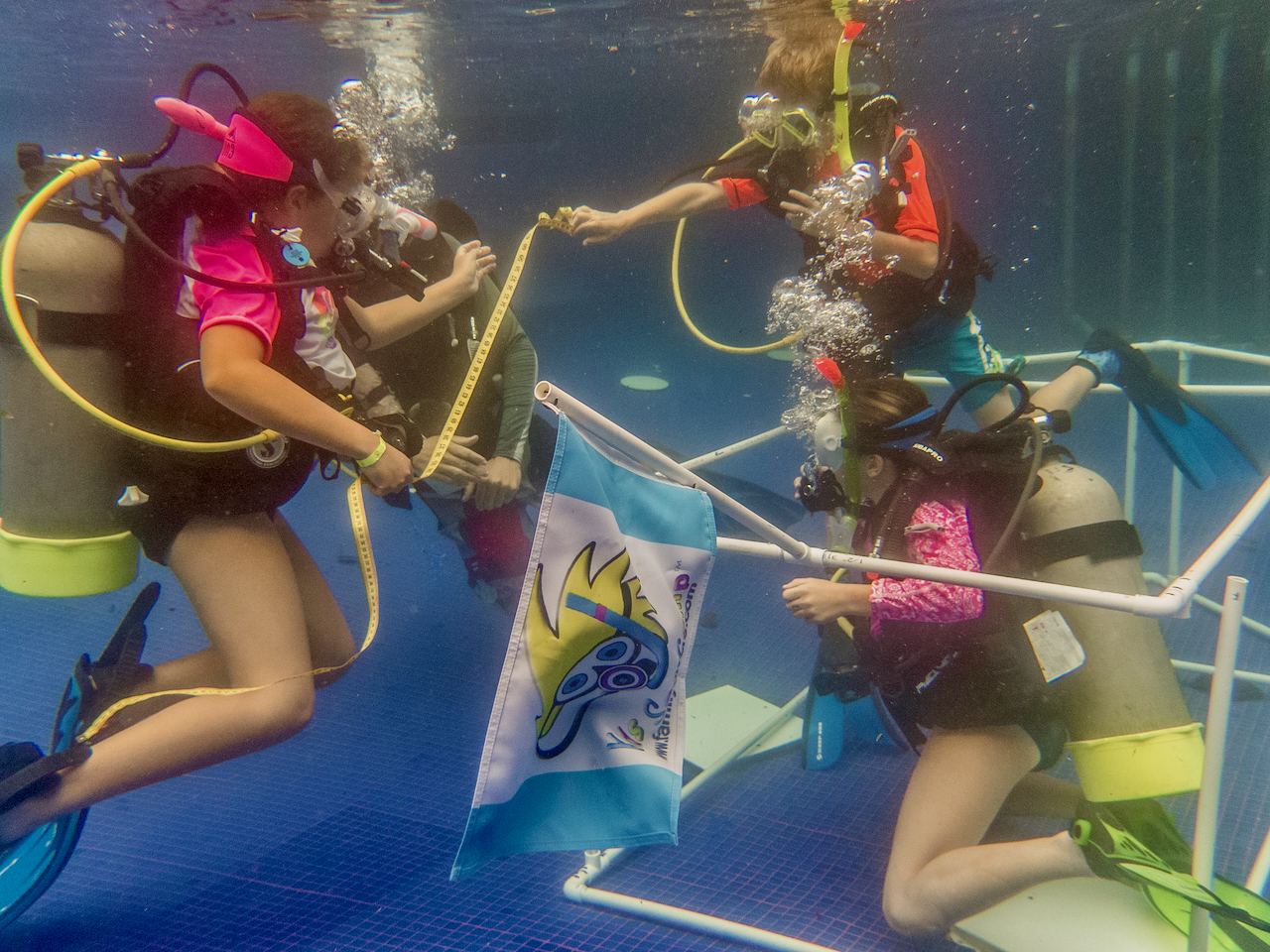
In the PADI Open Water Diver course—the gateway certification for millions worldwide—buoyancy control is introduced as a core skill set that students practice from confined water sessions through open-water dives. Students learn to perform a proper buoyancy check at the surface, ensuring they are weighted so that they float at eye level with an empty BCD and a full breath. Underwater, they master the fin pivot: lying flat on the bottom and using lung volume alone to pivot up and down like a see-saw, demonstrating neutral buoyancy without relying on the BCD. They practice hovering motionless at any depth, ascending and descending hands-free by controlling their breathing, and maintaining trim—horizontal body position—to minimize drag. Instructors emphasize that the BCD is for gross adjustments while breath control provides the fine-tuning that separates novice flailing from graceful movement. These fundamentals are drilled repeatedly because poor buoyancy early on can lead to uncontrolled descents, rapid ascents, or constant finning that stirs sediment and exhausts air supplies. At Kids Sea Camp, we see this progression daily: a nervous eight-year-old Seal Team diver in the Cayman Islands who starts by kicking wildly eventually hovers like a tiny astronaut, eyes wide with wonder behind the mask.
Why is good buoyancy one of the most important skills to master? The reasons span safety, efficiency, conservation, and pure enjoyment. From a safety perspective, neutral buoyancy prevents the most common precursors to diving incidents: rapid, uncontrolled ascents that risk decompression illness or lung over-expansion, and crashes into the reef that can cause barotrauma or panic. Dive-medicine experts consistently rank buoyancy issues among the top contributors to diver fatalities and injuries. Energy conservation follows closely; a diver with refined control uses far less air and experiences less fatigue, extending bottom time by 20–30 percent or more. Environmentally, it is non-negotiable. A single careless fin kick can break centuries-old coral or blanket delicate organisms in silt. In an era of reef stress from climate change and tourism pressure, every diver who hovers effortlessly becomes an ambassador for conservation rather than an accidental destroyer. Nuances matter: weighting changes with wetsuit thickness, tank size, salinity differences across Caribbean sites, or even slight current variations in places like St. Lucia or Belize. These are not one-time lessons but lifelong refinements. Even experienced divers revisit them after gear changes or long lay-offs.
PADI’s curriculum progressively builds on these foundations. The Advanced Open Water Diver course refines buoyancy through adventure dives—often including deeper profiles, navigation, or night diving—where students must maintain precise depth control without visual references. Many choose the Peak Performance Buoyancy specialty as one of their five required dives, earning credit toward the certification while focusing exclusively on mastery. The Peak Performance Buoyancy course, open to Junior Open Water Divers age 10 and up, dramatically elevates skills. Divers learn to fine-tune weighting to the ounce, perfect trim and streamlining to reduce drag, and use breathing and subtle body position to control hover that feels almost weightless. They practice techniques like the “hovering helicopter turn” and precise ascents without inflating the BCD. At Kids Sea Camp, we integrate PPB into family programs in destinations like Roatan and Bonaire because it delivers immediate, visible results: parents and kids alike finish the day hovering side-by-side, laughing as they photograph each other in perfect suspension. The course is fun, practical, and often completed in a single day, making it ideal for our all-inclusive family vacations across the Caribbean.
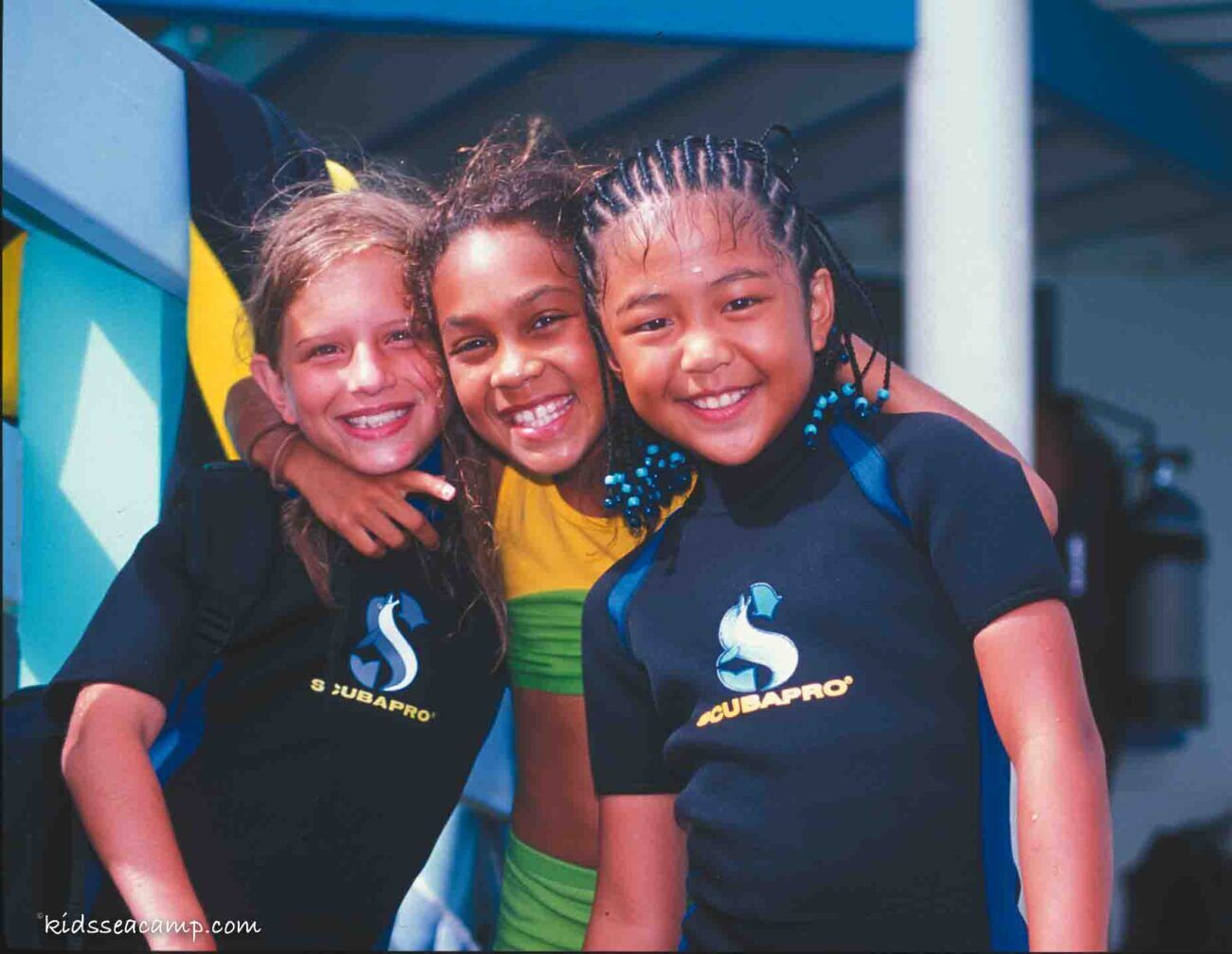
Buoyancy mastery is essential at every level and every age. For children in our SASY (Snorkel Adventure for Youngsters) and Seal Team programs in the Cayman Islands or Belize, early exposure builds confidence and muscle memory before they even strap on a tank. Teenagers progressing to full Open Water carry these habits into advanced training, while adult guests—many returning after years away—rediscover the skill and immediately notice longer, calmer dives. The stakes are highest, however, for underwater photography. As the official photographer for Kids Sea Camp, I see this daily. A camera housing adds weight and changes trim; without perfect buoyancy, every shot is compromised by movement, backscatter from kicked-up sand, or accidental reef contact that damages both the environment and the image. Good buoyancy allows me to hover inches from a nudibranch or colorful sponge without disturbing a single polyp, hold rock-steady for macro shots, or glide alongside a sea turtle while framing family portraits against the reef walls of Little Cayman or Roatan. Poor control means blurred images, shorter bottom time, and ethical compromise. I have watched novice photographers transform after a PPB session: their photos shift from chaotic snapshots to gallery-worthy art.
Personal experiences drive home these lessons more powerfully than any textbook. I remember a ten-year-old girl on our Cayman Islands trip who struggled in her first Open Water dives, constantly crashing into the sand and exhausting her air. After focused buoyancy drills—fin pivots, breath control games, and a mini-PPB session—she spent her final dive hovering motionless beside a cleaning station, watching wrasses work on a grouper while her parents beamed through their masks. She later told me, “I felt like I belonged down there.” On the adult side, a father on a Family Dive Adventures trip to Roatan arrived overweight and vertical, stirring clouds of silt that ruined group photos and stressed the reef. Two days of targeted coaching turned him into the family’s buoyancy ambassador; by week’s end, he was leading relaxed drifts, camera in hand, capturing images he still shares proudly.
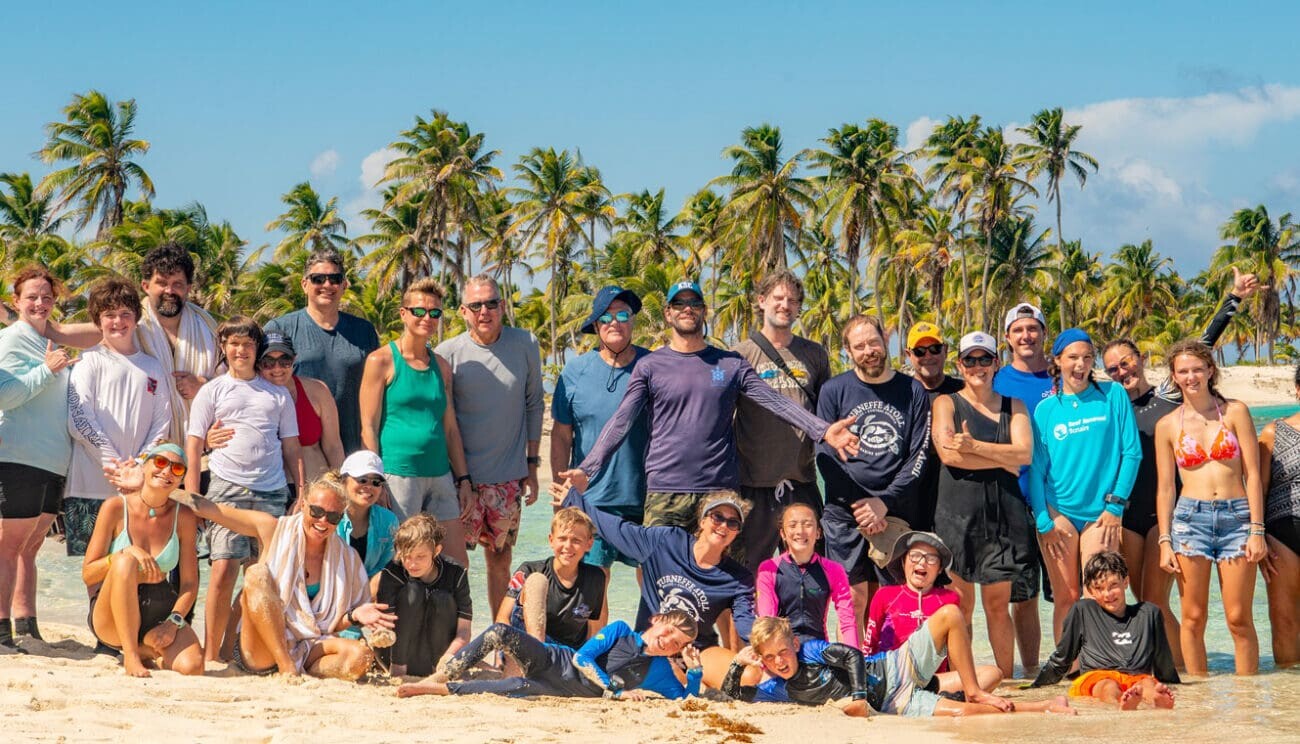
As a travel liaison, I see buoyancy’s impact on group dynamics. When families arrive with varying skill levels for trips to Bonaire, St. Lucia, or Belize, strong buoyancy control keeps everyone together, reduces stress, and maximizes shared joy. On one itinerary in the Cayman Islands, a grandfather with decades of diving experience quietly mentored his teenage granddaughter through weighting adjustments; their resulting tandem photos of vibrant reef life became the trip’s highlight. These moments reinforce why I emphasize buoyancy in every role: instructor, photographer, and liaison. It is the skill that turns strangers into dive buddies and kids into lifelong ocean stewards.
In the end, buoyancy is more than technique—it is respect for the ocean, for our equipment, and for the families we serve at Kids Sea Camp. Whether a child is earning their first certification in the warm waters of the Caribbean or a seasoned diver is chasing the perfect reef shot in Roatan or Bonaire, fine-tuning this skill unlocks freedom, safety, and wonder. I invite every diver—young or old, novice or expert—to treat buoyancy as a lifelong pursuit. The reef will thank you, your air will last longer, your photos will shine brighter, and the memories you create with family will be weightless and unforgettable.